


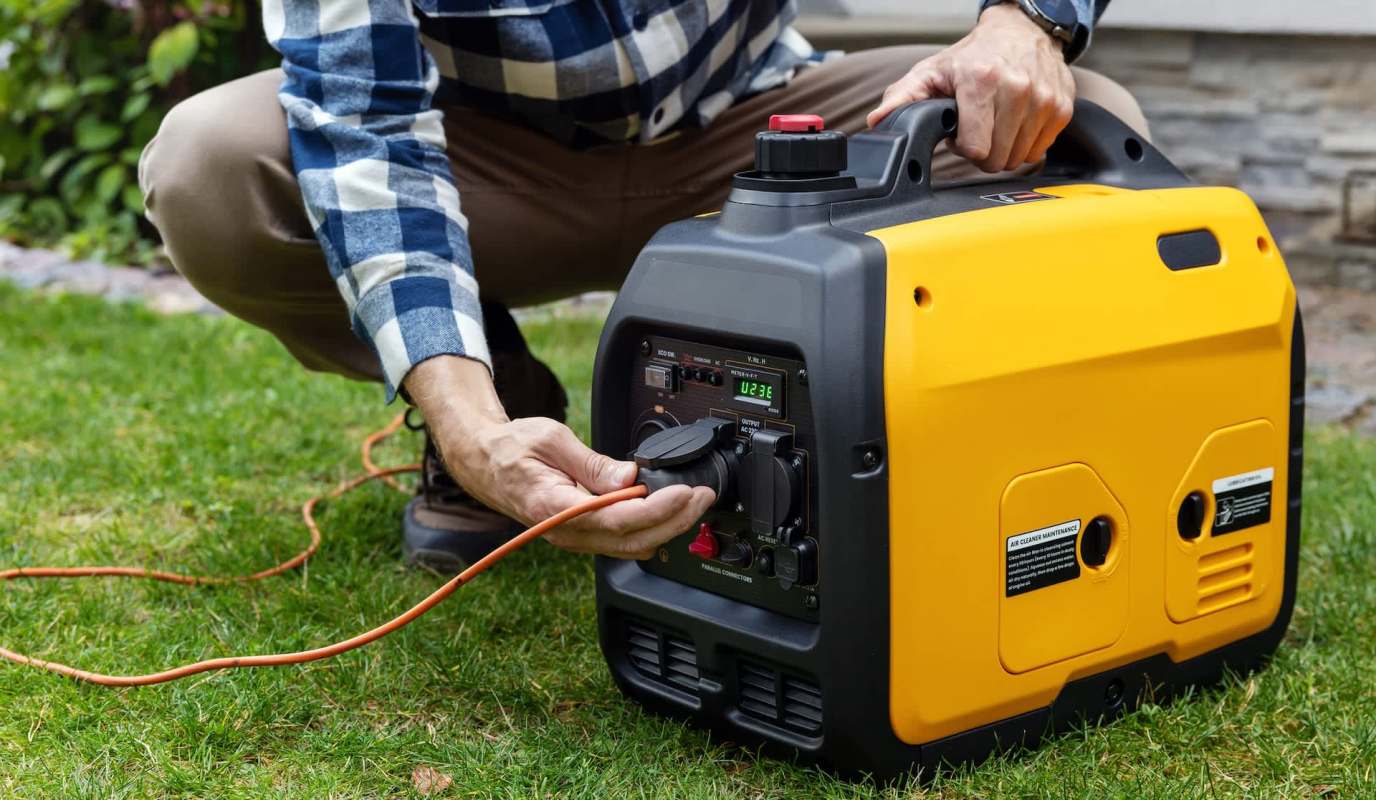
A generator owner hoping to avoid repeatedly filling a gasoline tank turned to ChatGPT for help choosing a natural-gas hose. Fellow Reddit users suggested the proposed setup might need a few tweaks. Their advice, though, appeared to fall on deaf ears.
Here's what to know
In a post on Reddit, the owner described plans to connect a Westinghouse 9500 TriFuel generator to an existing natural-gas line at their home.
The owner was responsible for buying the hose and fittings, as a friend would make the connection to the gas line.
The owner tentatively chose a three-quarter-inch hose for a run estimated at about 70 feet. According to the owner, ChatGPT had advised that a half-inch hose over that distance would not allow the generator to reach full load.
The planned hookup location was near where the natural-gas line emerged from the ground. There, the owner's friend would add a fitting to the existing line, possibly with a quick connection.
"I'd rather not look like a total dweeb and understand what he's talking about," the owner wrote.
TCD Picks » Quince Spotlight
💡These best-sellers from Quince deliver affordable, sustainable luxury for all




More background
The top-voted response in the r/Generator community pointed instead toward using a 1-inch hose or moving the generator closer to the gas meter.
A user chimed in: "70 feet is a very long run for gas, you'd probably need to go to 1". You would be better off putting the generator by the gas meter and running longer electrical."
They included a link to a natural gas pipe sizing chart.
"My gas and electric are on opposite sides of the house and I plan to put the generator in the covered driveway so I'm in the middle of very long runs," the original poster responded.
Choosing fittings for the larger hose was another source of uncertainty. The generator already had a male connector attached, but the owner only tentatively identified it as a half-inch quick connection.
What can be done?
Commenters told the original poster that they would need to find suitable fittings and adapters. There was also some disagreement over whether the OP's meter could handle the generator, with some posters insisting it would be fine.
The OP shared an update of the parts they were buying along with a picture of their Amazon cart. They seemed dead-set on going with a 3/4" line, even as posters continued to insist on 1".
"Here's what I have in my cart so far (the plumbing and actual fittings will come from my buddy - this is only hose stuff)," they shared. "I'm thinking 3/4 Valve -> 3/4 quick connector -> 3/4 hose -> 3/4 flare to 1/2 quick connect female -> generator male. Not sure if the 1/2 on the generator is going to be a bottleneck."
A poster replied they would need a few additional parts, but most of what they had looked on the right track.
"Just going by memory but I think most of the stuff you have in your cart will work. just need the right adapter," they wrote.
Where can I learn more?
Sizing a gas line is one of several practical questions that can come up when planning backup power.
• A UK homeowner learned a 15mm gas pipe might jeopardize their boiler's warranty.
• Outage veterans advised a homeowner to choose a smaller generator for a three-to-four-bedroom house.
• A central-air soft start can cut the portable generator capacity needed in half.
• An all-electric homeowner considering more capacity heard why smaller generators may last longer.

Get TCD's free newsletters for easy tips, smart advice, and a chance to earn $5,000 toward home upgrades. To see more stories like this one, change your Google preferences here.






