


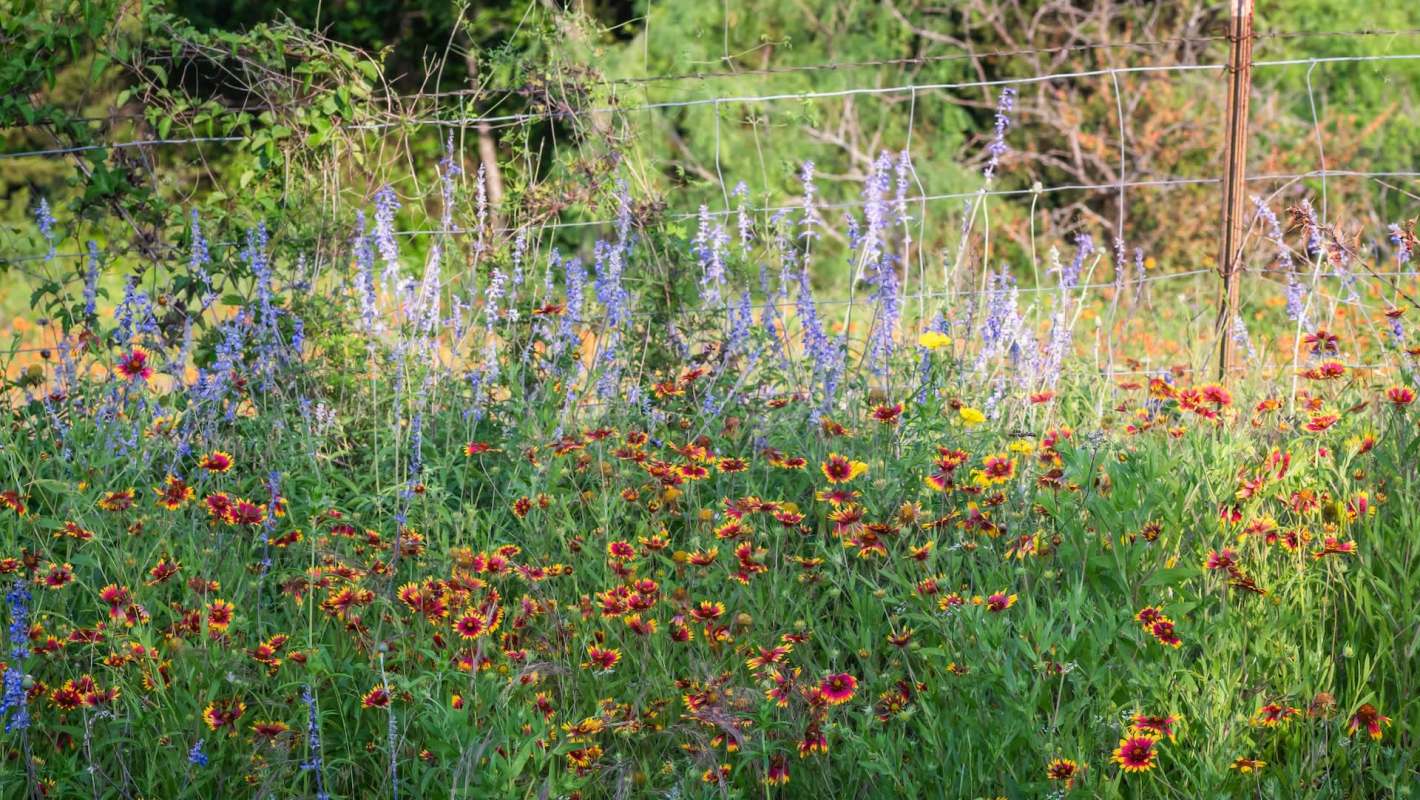
For homeowners thinking about trading turf for native plants, the promise of an easier yard can sound straightforward. One seasoned gardener took to Reddit to argue, however, that the process is often messier and more demanding than that sales pitch suggests.
That view set off an active discussion on Reddit's r/gardening subreddit about whether native wildflower yards actually cut down on maintenance or mainly shift it into a different kind of work.
What's happening?
Writing on Reddit, a gardener with hands-on experience restoring native landscapes challenged the notion that homeowners can "just replace" turfgrass with native wildflowers and wind up with less work.
To explain their skepticism, the original poster said their yard already includes both a native flower bed and an under-story garden inspired by Midwestern forests. "I know this is certainly possible, but ... its not easy," the OP wrote. "Building a prairie is a multi-year process that involves herbicides, and things like controlled burns."
Several commenters argued that the answer can look very different depending on local conditions, especially region and climate.
A few commenters noted that it didn't take much work to start transforming their yards with native plants.
TCD Picks » Quince Spotlight
💡These best-sellers from Quince deliver affordable, sustainable luxury for all




"My lawn has a ton of natives growing and all I did was plant them," one commenter wrote. "[I] didn't need to do a controlled burn or herbicides, I just let it grow."
"It's easier in some respects! Less watering + mowing + fertilizer required, especially if you mulch, also the obvious benefits for wildlife," another person mentioned.
Why does it matter?
Many homeowners are looking for yards that cost less to maintain and need less water and fewer chemical inputs. Native plants can help deliver that, especially once they are established.
Compared with a traditional lawn, a natural yard can reduce mowing, irrigation, and fertilizer use, potentially saving both money and time while lowering water bills. Native plants can also support pollinators and local wildlife in ways conventional grass often does not.
The discussion underscored a distinction that often gets lost: a yard may become lower maintenance over time without ever being completely effortless, especially during the transition.
Weed pressure, introduced species, soil conditions, and whether a homeowner is creating a prairie, meadow, or mixed planting can all shape how much work is involved.
What can I do?
Instead of replacing an entire yard, homeowners can start with a smaller bed, a border strip, or a pollinator patch and then expand over time.
Other alternatives can offer many of the same advantages. Clover lawns, buffalo grass, and xeriscaping can reduce mowing and watering demands, and region-specific planting can make a yard more resilient.
Keeping some turf for pets or play while rewilding other sections can also be a realistic option for many households.
Taken together, the replies suggested there is no one-size-fits-all easiest yard. The right choice depends on local climate, a household budget, and the kind of day-to-day use and upkeep a homeowner can realistically manage.

Get TCD's free newsletters for easy tips, smart advice, and a chance to earn $5,000 toward home upgrades. To see more stories like this one, change your Google preferences here.







