


A popular gardening channel is making the case for an unusual companion crop. Common intercropping methods overlook mushrooms, even though gardens love them.
Rather than treating fungi as a separate specialty project, the idea is to make them part of the garden itself, turning the same patch of space into a larger food source.
What's happening?
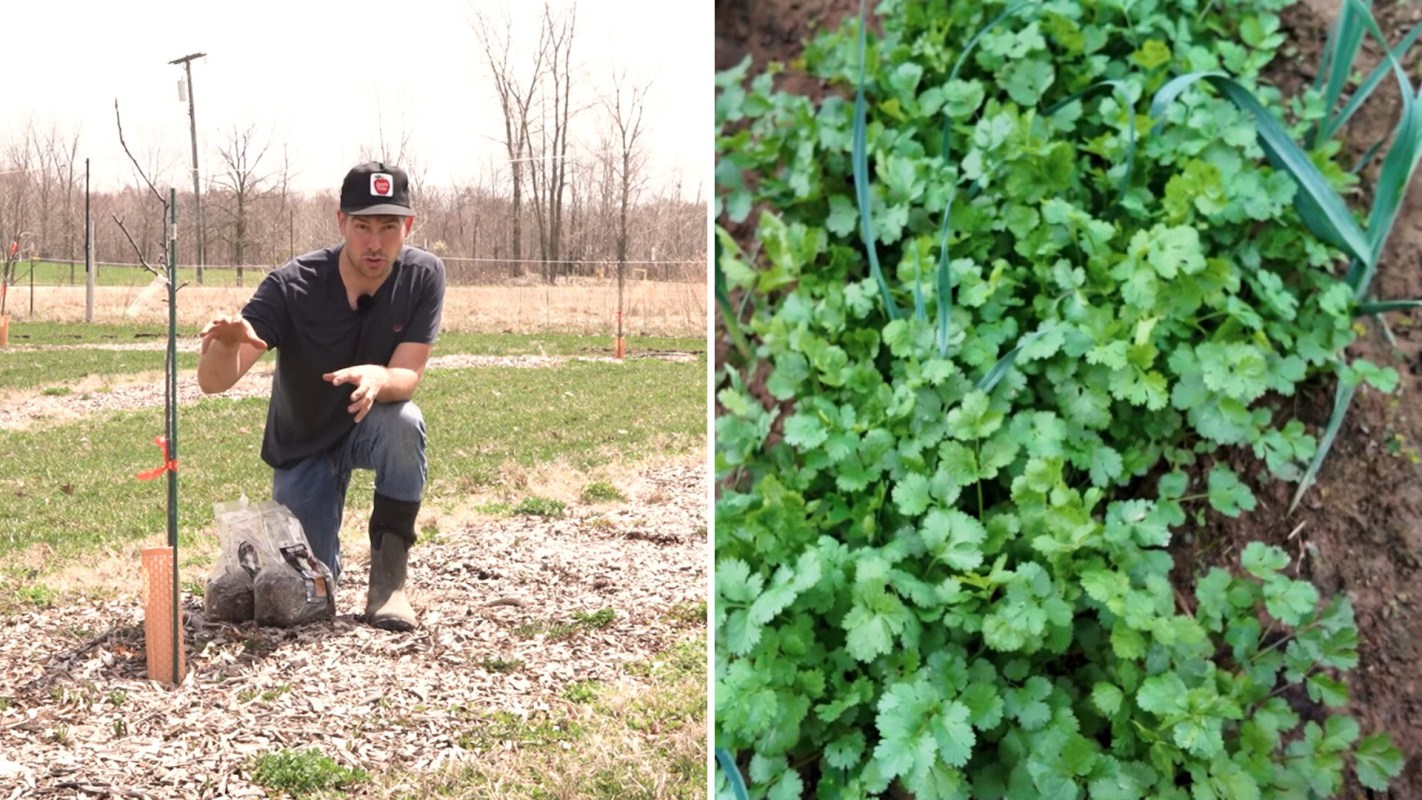
MIGardener recently promoted using mushrooms in vegetable beds for intercropping in a YouTube video titled: "This Might Be The Most AMAZING Intercropping Method Ever!"
The video description says the method involves "growing mushrooms in the garden as an intercropping method that will allow you to grow tons of food with only positive benefits!"
The idea is to get both vegetables and mushrooms in the same garden area rather than using that space for only one edible crop.
This method reflects a trend in home gardening: getting more food, more resilience, and more value from limited backyard or raised-bed space.
TCD Picks » Quince Spotlight
💡These best-sellers from Quince deliver affordable, sustainable luxury for all




"I seeded a patch of my yard with wine cap spawn from North Spore last year. A few weeks ago they started popping up. It's been so much fun mushroom hunting at home," one commenter shared.
Another gardener who planted wine cap mushrooms added, "Definitely helped break down the wood chips and worth the small investment."
Why does it matter?
For many households, gardening is no longer just a hobby. It can be a practical way to cut grocery bills, especially as produce prices remain unpredictable. If one bed can support multiple edible crops, a home garden can become more productive without requiring a larger yard.
There are quality-of-life benefits as well. Homegrown food often tastes better because it can be harvested at peak ripeness rather than picked early for shipping. Gardening also promotes physical activity through digging, lifting, and watering, while many people find the routine calming and mentally restorative.
Intercropping may be especially appealing to newer growers because it encourages them to think about the garden as an ecosystem rather than a row-by-row checklist. Mushrooms, vegetables, mulch, and soil all play different roles, and that layered approach can help maximize what a garden gives back.
What can I do?
If you are interested in trying a similar setup, it may be best to start small. Testing one bed or one mulched pathway, rather than overhauling an entire garden at once, can make it easier to see how a mushroom crop performs in your climate and watering routine.
Many gardeners save money not just by growing tomatoes or greens, but by building healthier soil and learning how to get repeated harvests from the same space.
Keeping a garden low-input can also help preserve those savings. Mulch, hand weeding, and other nonchemical methods can reduce costs while making the space more pleasant to spend time in.
One commenter added another benefit of growing mushrooms in your garden: "Mushrooms help detoxify the soil too, so they're good for rehabbing areas which were subject to pollution, like junkyards & industrial sites."

Get TCD's free newsletters for easy tips, smart advice, and a chance to earn $5,000 toward home upgrades. To see more stories like this one, change your Google preferences here.






