


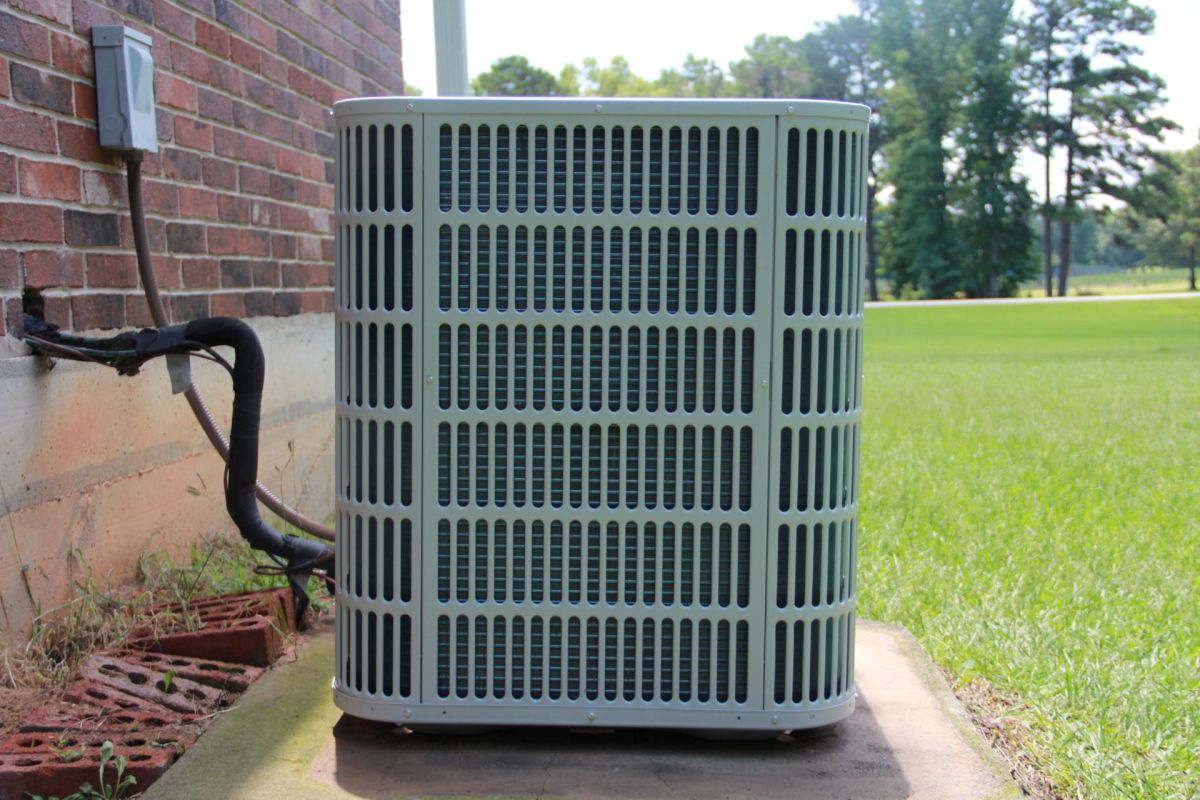
A South Carolina homeowner is weighing a familiar trade-off for anyone living with aging or awkwardly placed air conditioning equipment: Is it worth moving a loud outdoor condenser if it sits right outside a primary suite window?
The question struck a chord online because what sounds like a simple relocation can affect comfort, code compliance, appearance, and your monthly power bill.
Here's what to know
The homeowner explained the situation and shared images in the r/HVACadvice subreddit.
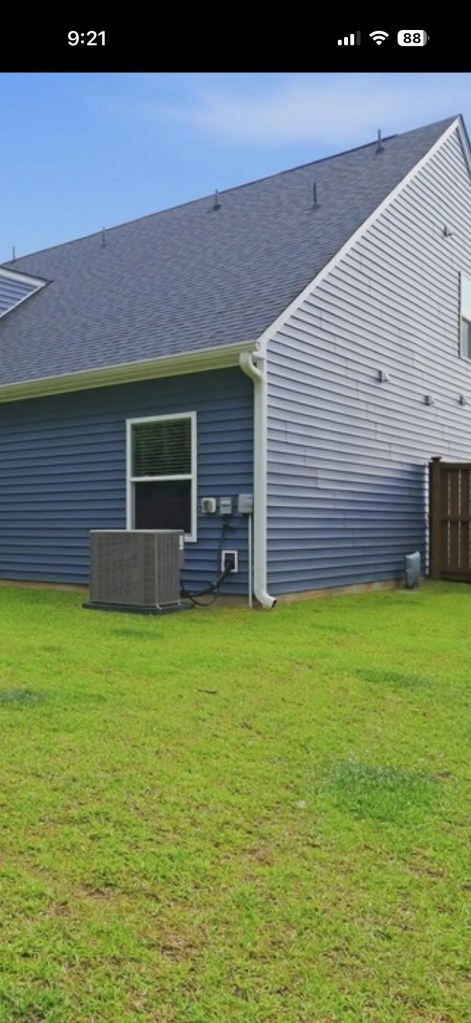
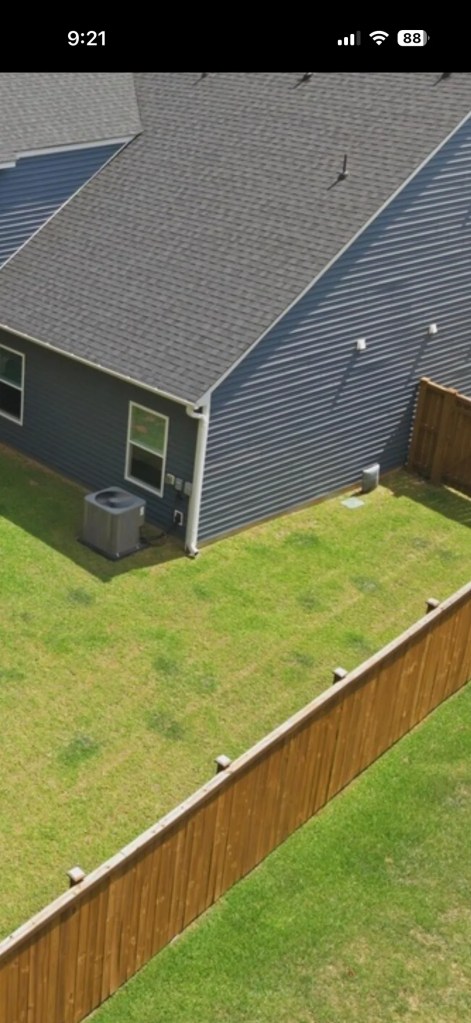
As the original poster wrote, "Hi there! The condenser at our new house is right outside a primary suite window and gets pretty loud when it kicks on. We've been considering moving it just around the corner."
The homeowner asked users if there could be potential issues with moving the unit around the corner if they had prior approval from their HOA and local authorities.
The overall takeaway from commenters was that moving the unit is a reasonable option if expenses, setbacks, and access do not become obstacles. One commenter said, "I would just move it around the corner if you could. Even if it will get more sun exposure, it should still be OK."
Another wrote that there's "no reason not to if money is not a problem," while also noting that the disconnect may need to be relocated.
A noisy HVAC unit can make simple heating and cooling frustrating. Plus, noise can sometimes be a signifier that a unit is not running as efficiently as it could or is in need of a replacement.
Crushed by your bills? See instant solar savings from vetted installers in just a few clicks With energy prices through the roof, there's never been a better time to go solar — and EasyHome can help you find the best prices from the best installers in your area. EasyHome takes the guesswork and headaches out of energy upgrades by showing you estimated savings from a network of vetted local partners. To get started, just enter your ZIP and share a few details about your home — seeing your estimate is really that easy. |

If you think your heating and cooling system might be due for an upgrade, connect with the experts at Palmetto. Its Comfort Plan network can help you find efficient heating and cooling solutions for your home and connect you with vetted installers.
More background
A unit outside a primary suite window can interrupt sleep, although if it rattles or drones through an entire cycle, that could point to vibration, loose hardware, or installation issues rather than placement alone.
Upgrading a heating and cooling system can be one of the best ways to lower utility bills and guard against rising energy prices. Newer high-efficiency HVAC systems and heat pumps can be quieter, more comfortable, and less expensive to run than older or poorly installed equipment.
If you're dealing with a noisy condenser, the first step is usually a professional inspection. Homeowners can ask a licensed HVAC contractor to check the pad, mounting, screws, copper lines, fan, and compressor noise. If the sound happens only at startup, a soft-start option may help. If it runs loudly the whole time, relocation or a higher-efficiency replacement may be the smarter choice.
Before moving a condenser, it is also worth getting estimates on code-required disconnect placement, line-set length, airflow clearances, and whether the new spot could interfere with gates, easements, or access. Those details can shape both cost and performance.
If replacement ends up making more sense than relocation, Palmetto's Comfort Plan can lower your heating and cooling costs by as much as 50% with a more efficient HVAC setup for $0 down. For many homeowners, that makes a cleaner, quieter upgrade easier to consider.
You can also pair solar panels with electric appliances, including efficient HVAC units, to drive utility costs even lower. EnergySage makes it easy to find the best solar panel system and installer for your home and budget.

Get TCD's free newsletters for easy tips, smart advice, and a chance to earn $5,000 toward home upgrades. To see more stories like this one, change your Google preferences here.






