


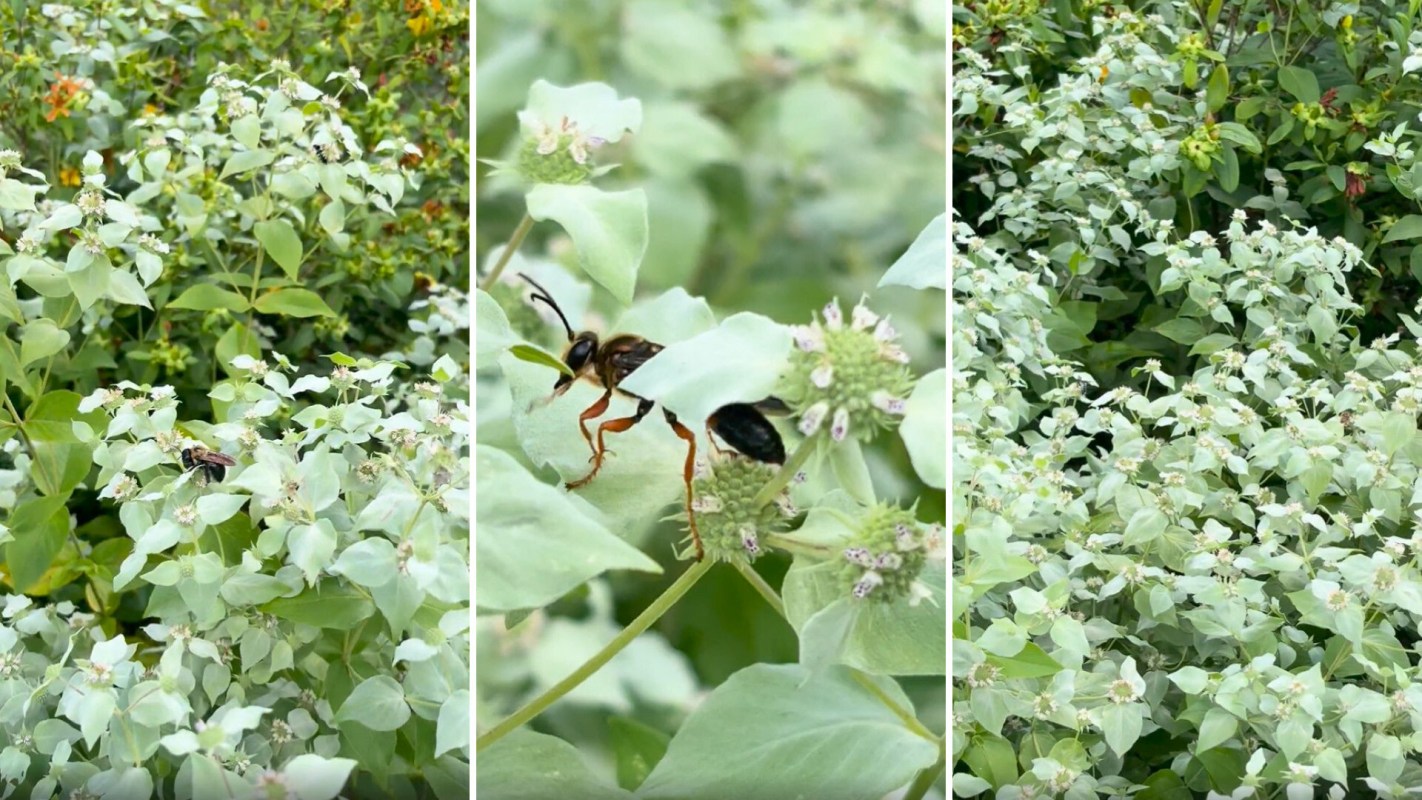
A Reddit photo has gardeners in the r/NativePlantGardening community raving about mountain mint, a native perennial whose light, silvery flower clusters are shown covered in beneficial insects.
What happened?
A user posted a video of mountain mint, or Pycnanthemum, where the plant appeared alive with pollinators.
(If the video doesn't play, click here.)
The video, paired with the caption "Mountain mint for the win," featured silvery-bracted blooms packed with a mix of insects.
An off-screen narrator describes the scene.
"This is a clustered mountain, an absolute magnet to all kinds of volunteers," they explain. "And they don't care that I'm here, they're out here eating."
TCD Picks » Quince Spotlight
💡These best-sellers from Quince deliver affordable, sustainable luxury for all




The narrator noted that he doesn't even know all of the pollinators in the video, and the plant isn't even in full bloom yet. He added that it "smells wonderful."
In the replies, gardeners reaffirmed that mountain mint is one of the surest ways to bring insect activity into a yard.
Commenters said it consistently out-attracts other plants, and others echoed that it serves a wide range of pollinators unusually well.
Why does it matter?
Pollinators need more habitat, not less.
Bees, butterflies, wasps, beetles, and other insects help sustain food webs and plant reproduction, but they often struggle in landscapes dominated by closely clipped turf grass and ornamental plants that offer little nectar or pollen.
A plant that reliably attracts many species at once can help support a more functional yard ecosystem, especially during the growing season, when insects are feeding themselves and their young.
It also fits into a broader shift away from high-maintenance lawns.
Replacing even part of a traditional lawn with native plants can save money and time on mowing, watering, and chemical inputs. Homeowners do not need to rip everything out at once, either, since even a partial swap can bring many of those benefits while making space for pollinators.
What can I do?
If mountain mint is native to your region, it can be part of a lawn replacement project or a pollinator bed.
Local native plant nurseries can help identify the right Pycnanthemum species for your area.
For a broader yard makeover, homeowners can explore lower-maintenance alternatives. These options can reduce mowing and watering needs, and they often perform better than thirsty turf in hot, dry conditions.
Converting a hellstrip, a border, or one sunny patch of lawn into habitat is a realistic way to start. Users backed the plant as a great one to begin with.
"The best pollinator plant I've ever grown!" one gushed.

Get TCD's free newsletters for easy tips, smart advice, and a chance to earn $5,000 toward home upgrades. To see more stories like this one, change your Google preferences here.






