


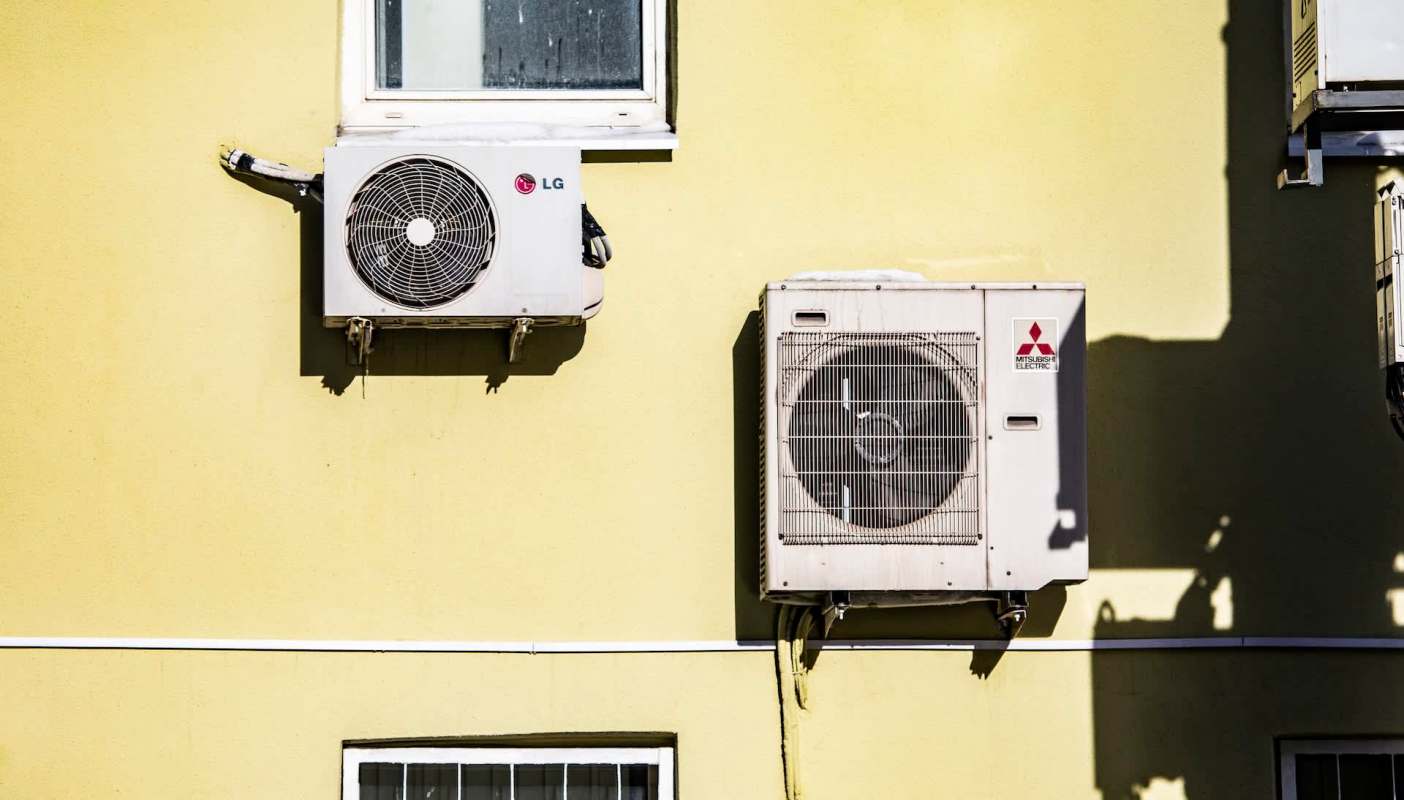
A homeowner in the r/HeatPumps subreddit said a newly installed Mitsubishi heat pump is barely cooling the upstairs of their home.
Not only is that a frustrating result after replacing a 30-year-old system in hopes of better comfort and lower energy bills, but a nonchalant response by the installer also made matters worse.
What's happening?
What alarmed the homeowner was not just that the unit ran all afternoon, but how little changed indoors, per their Reddit post.
Over roughly six hours, the upstairs temperature fell only two degrees, and they measured only about a 10-degree spread between intake air and air coming from the vents.
"Installer says it's fine but seems like it should do more," the original poster assessed.
Later in the discussion, they clarified that the Mitsubishi system is a two-ton split central-air setup dedicated to the upstairs, an area of about 1,000 square feet. They also said the home has new attic insulation and double-pane windows, upgrades that would ordinarily help cooling performance rather than work against it.
TCD Picks » Quince Spotlight
💡These best-sellers from Quince deliver affordable, sustainable luxury for all




Replies largely zeroed in on the installation itself. One user described a similar problem.
"Our brand new Mitsubishi heat pump wasn't cooling," they recalled. "Turns out they hadn't factored in the extra 20' of line to the inside unit for refrigerant. Once it was topped up, runs fine."
Other commenters mentioned potential airflow problems, refrigerant issues, or ductwork leaks. The consensus was that the installer was somewhat full of it.
Why does it matter?
Heat pumps can provide efficient heating and cooling with less wasted energy, helping lower monthly utility bills while reducing pollution tied to home energy use.
That benefit can disappear if the installation details are off. An incorrect refrigerant charge, restricted airflow, a disconnected duct, or an undersized return can leave a new system running longer while delivering less cooling and higher operating costs.
In that case, a homeowner may pay for high-end equipment without seeing the comfort or savings they expected.
Not every Mitsubishi owner in the thread reported problems.
"It works so efficiently, I don't even see a difference in my electric bill," a commenter with a Mitsubishi mini split said. "I can literally stand there and watch the temp drop a degree every 5 min."
What can I do?
When a newly installed heat pump seems underpowered, it helps to collect a few basic observations first, like thermostat settings, how indoor temperatures change over time, and how long the equipment runs.
Those details can give a contractor a clearer starting point for sorting out whether the problem stems from airflow, refrigerant, duct leakage, or setup.
Rather than settling for a blanket statement that the system is "fine," ask the installer to review the job step by step. The Reddit discussion points to several specific checks, including whether line length required an adjusted refrigerant charge, whether any ducts may have been knocked loose during the install, and whether the return duct and filter are properly sized for the unit.
As a next step, the homeowner said they were looking into duct-focused testing, including either a duct sealing test or a HERS pressure test, to see whether airflow losses might be contributing to the weak performance.
"They say it's fine but I had to sleep with the windows open last night," the OP wrote.

Get TCD's free newsletters for easy tips, smart advice, and a chance to earn $5,000 toward home upgrades. To see more stories like this one, change your Google preferences here.






