



A plea for help on Reddit's r/homeowners struck a nerve with users who had watched the thermostat climb while an air conditioner ran nonstop.
Citing indoor temperatures reaching 88 degrees and a $400 power bill, the post reflected a growing summer frustration: paying more for cooling that still does not get the job done.
What's happening?
In their post, the Missouri resident explained that their house "gets up to 88° sometimes even with the AC running ALL day" — lamenting that they are "paying to live in a f***ing sauna."
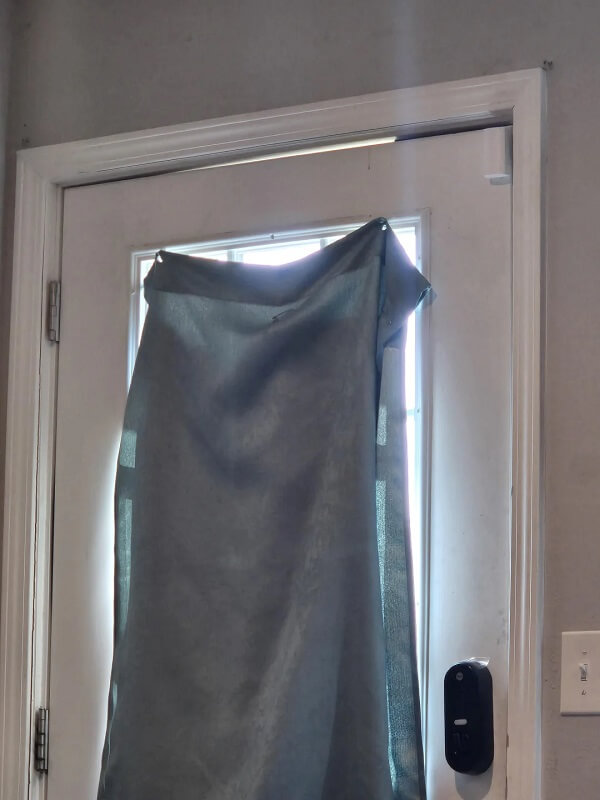
After putting a large portion of their savings toward paying off a car loan, the homeowner said a costly attic-insulation project was not an option at the moment.
They added that the air filter had already been replaced twice since moving in and emphasized that they wanted to focus on smaller problems that may be causing the house to lose cool air.
For now, they sought the cheapest steps to keep their home cooler.
Heat pumps are significantly more energy-efficient than traditional HVAC systems, and they provide both heating and cooling in one system.
That can mean lower utility bills over time, along with potential tax credits, rebates, and long-term savings for households that upgrade; homeowners seeking to lower energy costs can compare options through EnergySage's Heat Pump Marketplace.
Save $10,000 on solar panels without even sharing your phone number Want to go solar but not sure who to trust? EnergySage has your back with free and transparent quotes from fully vetted providers in your area. To get started, just answer a few questions about your home — no phone number required. Within a day or two, EnergySage will email you the best options for your needs, and their expert advisers can help you compare quotes and pick a winner. Solar panels can save you more than $50k over their 25-year lifespan, and EnergySage can help you save as much as $10k on installation. Which begs the question — isn't that worth an email or two? |

For people who are not ready for a whole-home overhaul, Merino offers single-room, ultra-efficient HVAC systems at an even lower price point.
Why does it matter?
When a home stays dangerously hot — even with the AC running all day — the problem goes well beyond comfort.
Prolonged indoor heat can make it harder to sleep, place added strain on people with health conditions, and force families into painful tradeoffs as power bills rise.
It also points to a common issue in homes with poor insulation, leaky ducts, drafty windows, or aging equipment — the system may be running constantly, but cooled air is escaping faster than the home can retain it.
That kind of inefficiency can hit especially hard during extreme heat, when energy use climbs, and households are already crushed by rising housing, transportation, and grocery costs.
A $400 energy bill for a house that still feels like a sauna is wasted energy showing up in the monthly budget.
What can I do?
The cheapest initial approaches typically involve controlling air loss.
Weatherstripping doors, sealing gaps around windows, checking attic hatches, closing blinds during peak sun, and ensuring vents are not blocked all help keep cooler air indoors.
It can also be worth checking an outdoor AC unit for debris, inspecting visible ductwork for leaks, and making sure the thermostat is working properly.
If the attic is the biggest weak point, small spot fixes and air sealing can sometimes help when a full insulation project is not yet in a household's budget.
Homeowners interested in slashing their energy bills further can also compare free solar quotes through EnergySage.
And if a bigger HVAC change is on the table, it may be worth pricing systems through EnergySage's Heat Pump Marketplace to see whether a more efficient setup could deliver better cooling and lower bills.
In the meantime, Reddit users advised the original poster to fix their attic insulation as soon as they could afford it, citing overall costs and savings.
"My brother in Christ … say it saves you $200 per month in the summer and $100 per month in the winter… and $60 in spring and fall… That's $1260 per year," one began.
"You're burning $100 bills. Fix the insulation."

Get TCD's free newsletters for easy tips, smart advice, and a chance to earn $5,000 toward home upgrades. To see more stories like this one, change your Google preferences here.






