


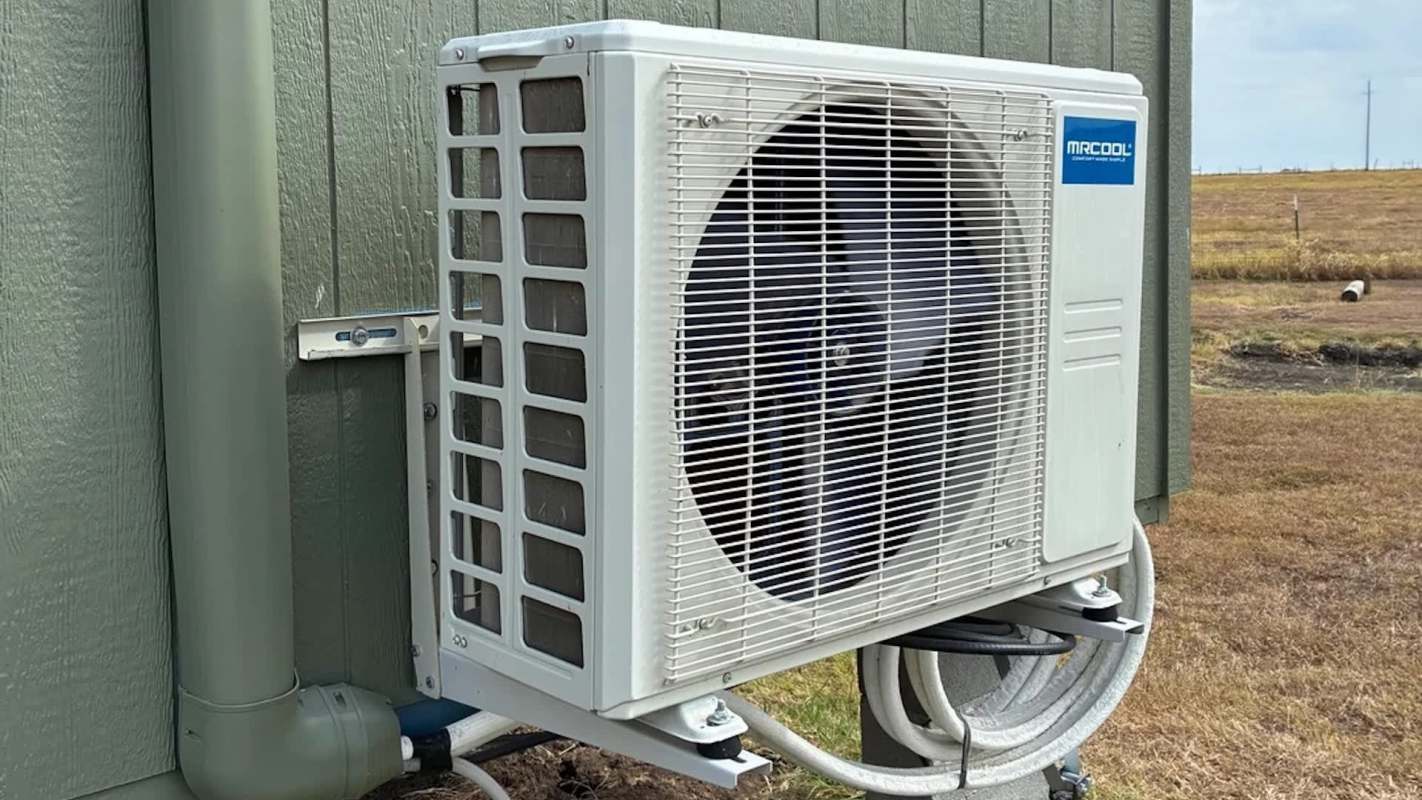
A Texas homeowner found a surprising maintenance problem two years after installing a Mr. Cool mini-split on a bunkhouse. The system was still cooling properly, but the insulation covering the outdoor line set had badly deteriorated.
Here's what to know
In a Reddit post, the owner of a one-zone, 18,000-BTU Mr. Cool system said it had been "working great" even as the exterior insulation broke down. They wanted to know whether the answer was a new charged line set or better protection from the Texas sun for the existing one.
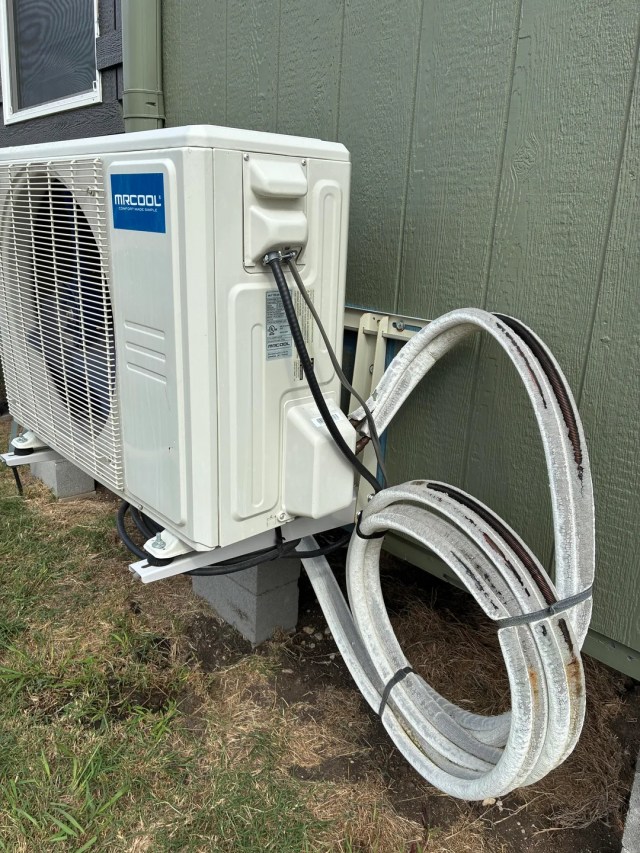
"It's disintegrating because it's not protected with line set UV tape," a commenter wrote. They suggested keeping the copper line, removing the insulation, adding split pipe insulation from a hardware store, and then wrapping it with UV-resistant tape.
Others warned that lightweight foam of the "pool noodle" variety would likely fail as well and recommended K-Flex or similarly heavy-duty HVAC insulation with UV resistance. Someone else noted that swapping in a new charged line set was not a simple fix, saying, "Item 1 won't work out of the box because you'll lose whatever charge you have unless you pump down the system first."
For homeowners looking beyond repairs, upgrading heating and cooling equipment is one of the best ways to save money on utility bills and protect against rising energy prices. Palmetto's Comfort Plan network can help you find efficient heating and cooling solutions for your home and connect you with vetted installers.
More background
Beyond the insulation damage, commenters also focused on how the line set had been coiled. Several said those loops should run horizontally, and one described vertical looping as a "really common mistake with DIY and precharged linesets."
Users disagreed on how serious the issue was in this case. "It can cause issues, does not necessarily mean it will," one said, explaining that oil can collect in low spots and take longer to return to the compressor, while others said they had seen similar setups operate for years without problems.
What can be done?
The advice was to fix the insulation on the exposed line set rather than swap out the assembly, unless a technician found a refrigerant problem.
Save $10,000 on solar panels without even sharing your phone number Want to go solar but not sure who to trust? EnergySage has your back with free and transparent quotes from fully vetted providers in your area. To get started, just answer a few questions about your home — no phone number required. Within a day or two, EnergySage will email you the best options for your needs, and their expert advisers can help you compare quotes and pick a winner. Solar panels can save you more than $50k over their 25-year lifespan, and EnergySage can help you save as much as $10k on installation. Which begs the question — isn't that worth an email or two? |

Commenters repeatedly pointed to better outdoor-rated materials as the solution. Suggested options included split pipe insulation, UV-resistant vinyl tape, and heavy-duty HVAC-specific insulation.
Homeowners who decide a patch job is only a temporary fix may also want to consider an efficiency upgrade. Palmetto can help there, too. If you're not ready to spend up front, the Comfort Plan includes $0 down options that can lower your heating and cooling costs by up to 50% and include 12 years of maintenance.
If you want to push those utility costs even lower, solar can work hand in hand with electric appliances such as an efficient HVAC system or heat pump. EnergySage makes it easy to find the best solar system and installer for your home and budget, with potential savings of up to $10,000 on installations.
"Very cool, I was hoping it was simple. Thank you," the original poster wrote in a comment.
Where can I learn more?
If you're deciding whether to repair or replace a mini-split, these stories dig into HVAC questions and why homeowners are embracing mini-splits.
• During a heat wave, one homeowner questioned a backward outdoor unit after spotting exposed copper.
• Across the U.S., homeowners say mini-split HVACs are transforming comfort while cutting energy bills.
• For many households, a heat pump repair makes more sense than rushing into full replacement.

Get TCD's free newsletters for easy tips, smart advice, and a chance to earn $5,000 toward home upgrades. To see more stories like this one, change your Google preferences here.






