


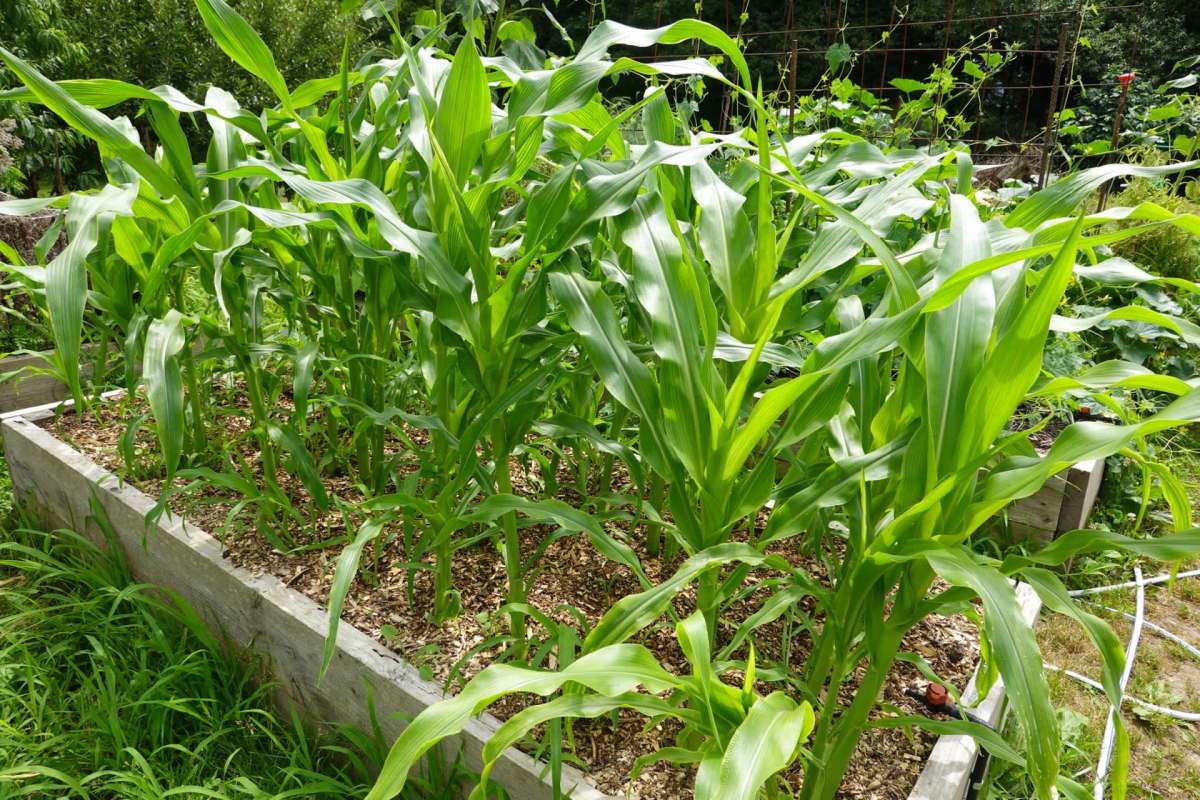
For gardeners who measure summer in tomato blossoms and corn stalks, this year has felt strangely off. One frustrated grower in the northern Midwest said their sweetcorn was "barely over knee high" in mid-July — and many others said they were seeing the same thing.
What's happening?
A Reddit user shared in r/gardening that their motivation was lacking after a disappointing growing season, writing, "My garden just feels so behind this year."
First, a "wacky spring" meant they had to plant and move several crops late. Now, they said weeds and heat have made it difficult to catch up.
After venting their frustration, they realized they weren't alone. Commenters from around the country described a growing season that feels delayed, uneven, and hard to predict.
"Don't feel bad at all. You are right, really wacky spring and it feels like Mother Nature has fought me every step of the way," one gardener said.
Similar complaints poured in from California, Oregon, Northern Michigan, Maryland, and beyond.
TCD Picks » Quince Spotlight
💡These best-sellers from Quince deliver affordable, sustainable luxury for all




Another user pointed to wild weather swings in their area, writing, "My garden is behind, ahead, past due, too early, overstayed, and f****** confused."
Why does it matter?
A rough gardening year may sound minor, but for many households, vegetable beds are a source of food, savings, and joy. When weather swings delay planting, fuel weed growth, or damage crops, people can lose both harvests and motivation.
These stories also show how climate-related weather extremes can surface in everyday life. Gardeners are often among the first to notice when seasons are less stable.
That kind of whiplash can make it hard to plan around frost dates, fertilizing schedules, and pest control. When farmers in different regions deal with the same unpredictable conditions, it can also affect food systems more broadly.
What can I do?
If gardening feels overwhelming, the most practical move may be to simplify. Focus on saving your healthiest crops first, weed in short sessions during cooler morning hours, and use mulch to suppress regrowth and help the soil hold moisture during heat waves.
It can also help to rethink the rest of your yard.
Replacing even part of a traditional lawn with native plants, clover, buffalo grass, or xeriscaping can save money and time on lawn maintenance.
Those swaps support pollinators and make your yard more resilient during weather swings while also reducing the amount of mowing, watering, and weeding needed during difficult growing seasons.

Get TCD's free newsletters for easy tips, smart advice, and a chance to earn $5,000 toward home upgrades. To see more stories like this one, change your Google preferences here.






