


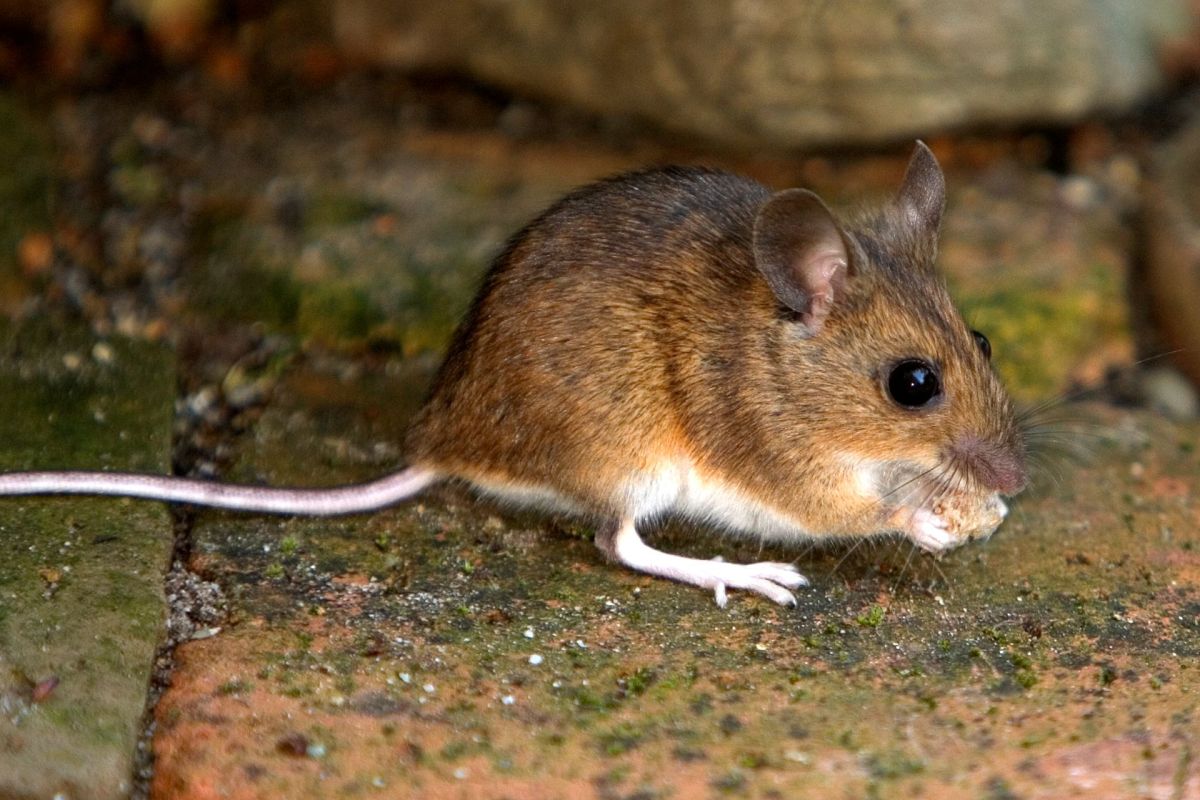
Mice do not discriminate, no matter how much of a celebrity you are. As Realtor.com reported, Kylie Kelce said a call to fix her dishwasher ended with workers uncovering signs that mice had turned the space behind the appliance into a food storage area.
The find came at her approximately $6 million Pennsylvania home, where she lives with former NFL star Jason Kelce and their four children.
What happened?
Speaking on a recent episode of her podcast, "Not Gonna Lie," Kelce said the ordeal began with a dishwasher error code. As Realtor.com recapped, repair workers then found dog food tucked behind the machine after mice apparently chewed through the wiring.
"To make room for their storage of dog food, they decided to chew every wire they could find," Kelce said, according to the outlet.
Realtor.com noted the Kelce family's Haverford compound was assembled over several years through three adjacent property purchases totaling about $6 million.
A large, multi-structure setup like that can offer plenty of hidden spaces for pests to move through unnoticed, especially when food sources, such as pet kibble, are nearby.
TCD Picks » Quince Spotlight
💡These best-sellers from Quince deliver affordable, sustainable luxury for all




Kelce said the situation was especially upsetting because she is meticulous about cleaning and sanitizing her dishes and kitchen space, per Realtor.com.
Why does it matter?
Kelce said her biggest concern was not only the broken appliance, but what rodent droppings in the kitchen could mean for the family's health, the outlet said.
"I was angrily bleaching the entire kitchen floor because there was mouse droppings." Kelce explained, per Realtor.com. "And I don't want hantavirus from other people or the authentic way through rodent feces in your kitchen."
Mice can contaminate surfaces, damage insulation and wiring, and lead to costly repairs. Chewed electrical lines can also increase the risk of fire, turning an infestation into a broader home safety issue.
Realtor.com said Kelce also pushed back on the idea that mice automatically reflect poor housekeeping, noting that infestations can happen even in well-kept homes.
What can I do?
One of the most effective first steps is cutting down on what attracts rodents in the first place. Pet food should be kept in sealed containers, crumbs and spills should be cleaned up quickly, and gaps behind appliances, baseboards, and utility lines should be checked for possible entry points.
It can also help to watch for early warning signs before damage gets worse, including scratching sounds, droppings, gnaw marks, or unexplained appliance problems. Catching the issue early is usually much easier and less expensive than dealing with a larger infestation later.
If droppings are found in a kitchen or pantry, experts generally recommend avoiding dry sweeping, which can stir particles into the air. Careful disinfecting, gloves, and professional help for more serious infestations can help reduce the risk of exposure.
Kelce joked about another potential solution, Realtor.com revealed.
"It might, maybe, end up in a situation where there is a feline resident," Kelce divulged, according to the outlet.

Get TCD's free newsletters for easy tips, smart advice, and a chance to earn $5,000 toward home upgrades. To see more stories like this one, change your Google preferences here.






