


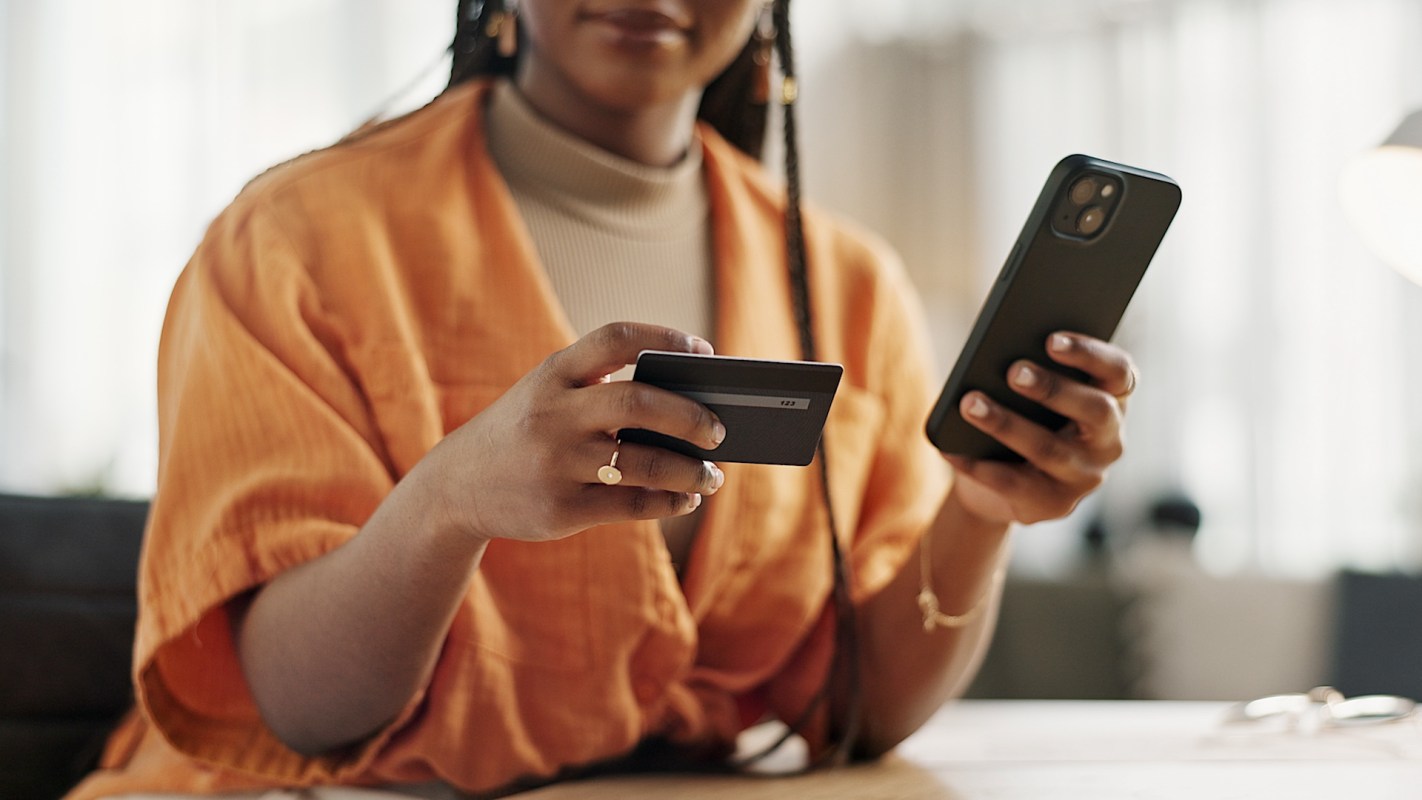
As the summer beckons and Memorial Day approaches, one of the smartest money-saving hacks has nothing to do with finding a cheaper flight or getting the best price on a new grill. It's a much simpler idea: Pause before you click, and ensure you're not being duped.
What's happening?
Jan Diaz, president and CEO of the Better Business Bureau serving Northern Indiana, penned a guest column in the South Bend Tribune to spread awareness that Memorial Day is showtime for scammers.
Holiday shopping rushes create the perfect opportunity for them to capitalize on consumers hoping to score major savings for the summer.
As Diaz wrote, these schemes come in all sorts of guides, including too-good-to-be-true travel deals, products at unbelievable discounts, phishing messages, and phony payment sites.
"Trust your instincts," Diaz instructed. "If something does not feel right, it is worth a second look."
Why does it matter?
Taking extra time is an important way to make sure consumers get what they actually pay for. Scammers often count on urgency to push people into handing over money or personal information without thinking twice.
TCD Picks » Quince Spotlight
💡These best-sellers from Quince deliver affordable, sustainable luxury for all




With a little more due diligence, shoppers can avoid these pitfalls. The easiest way is to verify every offer directly, avoid suspicious links, and use secure payment methods.
It is simply not worth the risk to click the links in emails, texts, or social media messages that aren't clearly from a direct source. Instead, book through trusted platforms and confirm reservations directly with the hotel, airline, or rental host. If someone asks to take the conversation off-platform or pay outside the booking system, that's a major red flag.
Before making a purchase, it also helps to do a quick background check. Look for contact information, customer reviews, and a secure website address that starts with "https."
When it's time to pay, use a credit card whenever possible. According to Diaz, gift cards, wire transfers, and payment apps can be tougher to track and are preferred by scammers.
How it's helping
The biggest benefit is straightforward for shoppers. That extra minute can save money and a major headache in the future. Scam purchases can lead to stolen card numbers, emptied bank accounts, fake bookings, or personal data ending up in the wrong hands. Verifying a seller is far easier than dealing with fraud after the fact.
A fake vacation rental or bogus retailer can leave shoppers scrambling for backup plans, filing disputes, and resetting passwords instead of enjoying the holiday weekend.
"Smart decisions and careful planning can help ensure your celebrations are memorable for the right reasons," Diaz concluded.

Get TCD's free newsletters for easy tips, smart advice, and a chance to earn $5,000 toward home upgrades. To see more stories like this one, change your Google preferences here.






