


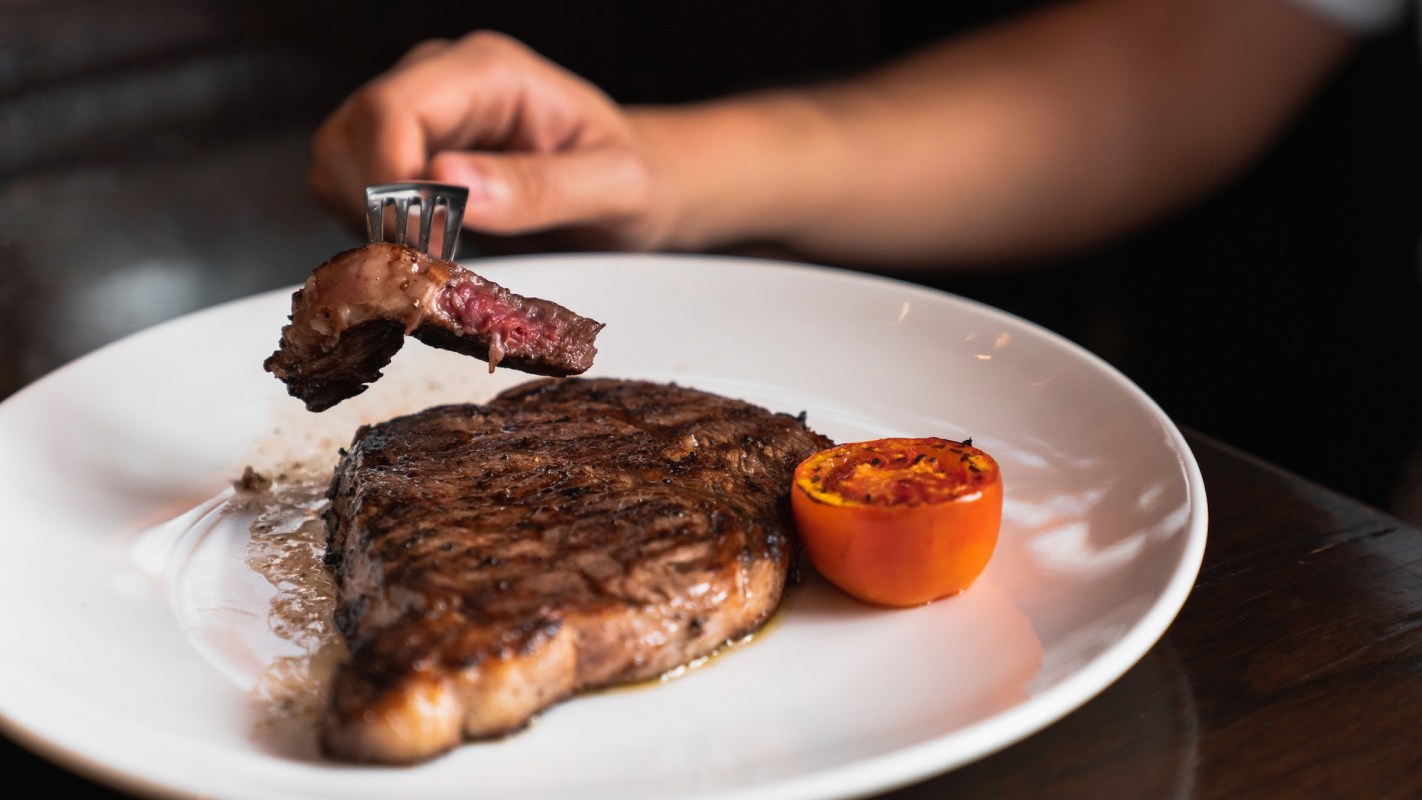
What happens when caring about animals collides with what is on the dinner plate?
Psychology researchers have said that uncomfortable tension has a name: the "meat paradox."
According to Vox, the idea has returned to the spotlight after a recent flare-up involving pop star Billie Eilish, who argued that people "can't say you love animals and eat them."
Her comments struck a nerve and sparked a weeks-long debate across X and Instagram.
According to psychology researchers, that reaction is a textbook example of the meat paradox — cognitive dissonance when people's affection for animals clashes with consuming animal products.
Rather than fully resolving that discomfort, many people turn to explanations that make the contradiction easier to live with.
TCD Picks » Quince Spotlight
💡These best-sellers from Quince deliver affordable, sustainable luxury for all




Polling highlights just how conflicted attitudes can be. In one survey of nearly 1,000 U.S. adults, respondents were asked about common industry practices, including rendering pigs unconscious in CO2 gas chambers before slaughter, killing newborn male chicks by grinding, taking calves away from their mothers on dairy farms, and burning off hens' beaks without pain relief.
The broader takeaway was clear: Many Americans are uncomfortable with what happens to farmed animals while continuing to support the system through everyday purchases.
That paradox is more than just an interesting psychological concept. Researchers have said it helps explain why change around factory farming has been so hard, even as the scale of harm reaches hundreds of billions of animals each year.
Meat, milk, and eggs are not niche products. They are woven into everyday meals, grocery trips, family traditions, and household budgets. As a result, the tension between values and habits can surface constantly in ordinary life.
When people feel that tension, conversations can become heated quickly, as the Eilish debate showed. That can make it harder to talk openly about where food comes from, what animals endure, and what consumers actually want from the food system.
At the same time, polling suggests many people are not fully comfortable with standard farming practices once those practices are described plainly. That gap between instinctive concern and everyday behavior is exactly what makes the issue so emotionally charged.
Researchers have found that the meat paradox can be stubborn, but some research-backed interventions may help. The goal is to reduce the mental gymnastics people use to avoid the contradiction and create more room for reflection.
That can begin with paying closer attention to how animal products are produced. If certain practices feel disturbing when described directly, that reaction may be worth taking seriously rather than brushing aside.
People who want to reduce that inner conflict do not necessarily have to change everything overnight. Trying more plant-based meals, cutting back on meat or dairy, or being more selective about what you buy can all be practical ways to bring habits into closer alignment with values.
Just as importantly, calmer and more honest conversations may help. The meat paradox tends to thrive when people feel attacked or pushed into defending themselves, but it may weaken when people are given space to sit with the discomfort instead of shutting down immediately.

Get TCD's free newsletters for easy tips, smart advice, and a chance to earn $5,000 toward home upgrades. To see more stories like this one, change your Google preferences here.






