


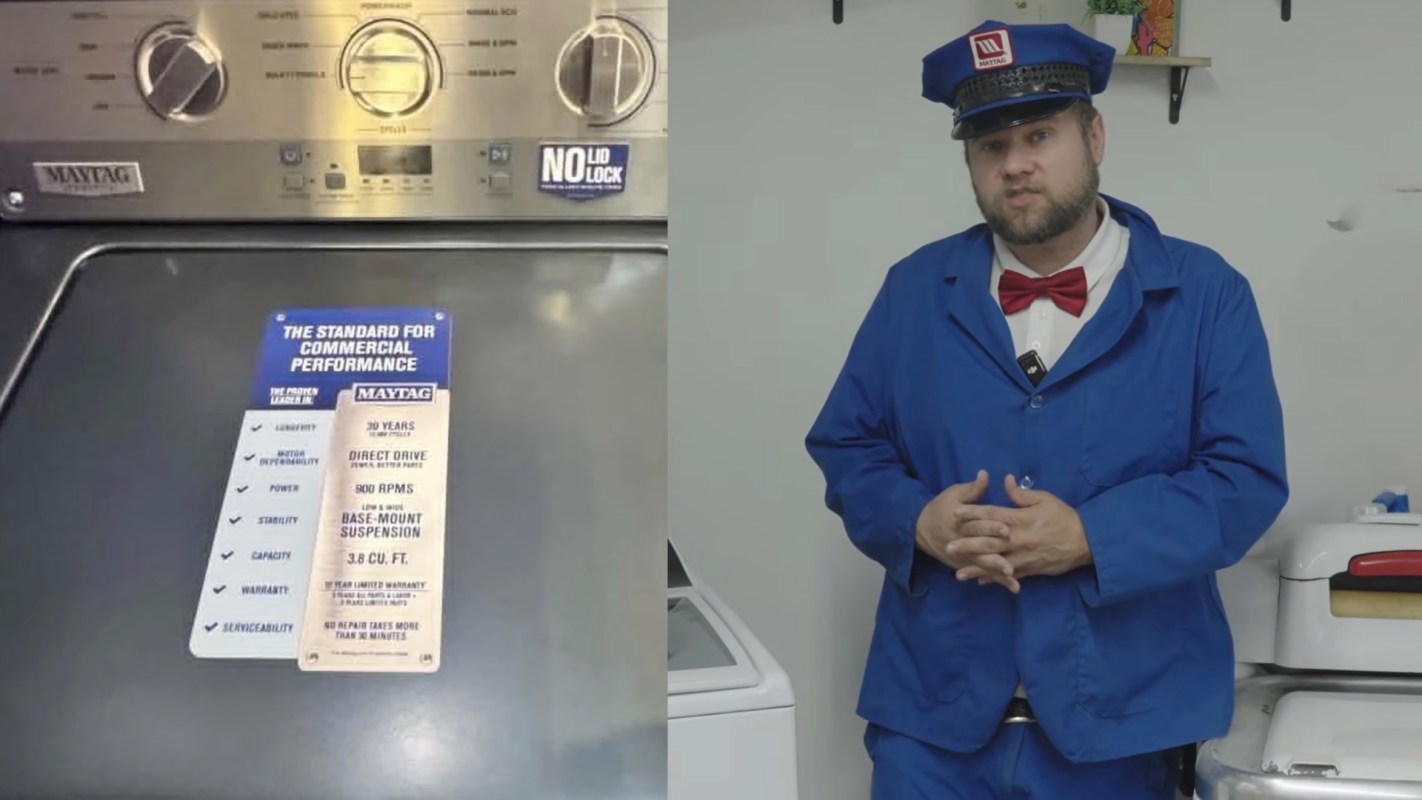
Few people look to the washing-machine market for a shake-up. Yet Maytag's latest commercial-grade washer is getting notice for an unusually plainspoken pitch in 2026: a design centered on durability, easier repairs, and a stated 30-year lifespan.
Here's what to know
The model MTW8305T was spotlighted by longtime appliance dealer Ben's Appliances and Junk (@BensAppliancesAndJunk), who presented it as one of the more consequential appliance releases in years because Maytag is promoting long-term use rather than feature overload.
Many shoppers feel stuck in a cycle of replacing expensive home appliances sooner than expected. A washer that lasts longer and is easier to fix could translate into major savings over time, especially for families already juggling high housing, utility, and repair costs.
In the creator's words, it is "the new Maytag commercial washing machine with a 30-year lifespan and the claim of easy fixability, with no wacky features."
Framed that way, the attraction is not novelty, but the expectation that an everyday household machine should keep doing its job for a very long time.
If that promise holds up in real homes, the model could stand out in a category that has often drifted toward more electronics, more complexity, and more replacement anxiety.
TCD Picks » Quince Spotlight
💡These best-sellers from Quince deliver affordable, sustainable luxury for all




More background
A longer-lasting washer affects more than a household budget. When a major appliance fails, it can mean surprise bills, missed work while waiting for service, laundromat trips, and a great deal of extra stress.
There is also an environmental upside to products designed to stay in service. Keeping one washer running for decades can reduce demand for replacement units, which in turn cuts down on the materials, manufacturing energy, packaging, and shipping tied to more frequent turnover. Fewer discarded machines also mean less bulky waste heading to scrapyards or landfills.
Repairability has become a powerful consumer issue. For many buyers, the question is no longer just whether a machine cleans clothes well on day one. It is whether parts can be replaced, whether the design is straightforward, and whether ownership will still make financial sense years later.
That positioning speaks to a broader complaint about appliances that seem built for shorter useful lives. By stressing fixability and durability, Maytag is offering this washer as an alternative to a market many consumers view as increasingly disposable.
What can be done?
Sticker price can be misleading. A cheaper washer can become far more expensive if it needs major repairs early or has to be replaced after only a few years. Longevity, serviceability, and parts availability can matter just as much as capacity or special cycles.
Warranty length, replacement-part availability, whether common issues can be repaired without replacing the whole machine, and whether the product relies on simpler, proven hardware instead of unnecessary extras can all shape ownership costs.
This kind of launch could signal that buyers still want dependable machines. If a durable, easier-to-fix washer wins customers, other brands may feel pressure to compete on reliability instead of gimmicks.
It would reward products designed to reduce waste, lower ownership costs, and make everyday home life a little easier.
If Maytag's new model lives up to the pitch, it could give shoppers something that has felt increasingly rare in big-ticket home gear: confidence.
As the creator put it, it may be "the most important new washer to arrive on the market in a long, long time."

Get TCD's free newsletters for easy tips, smart advice, and a chance to earn $5,000 toward home upgrades. To see more stories like this one, change your Google preferences here.






