


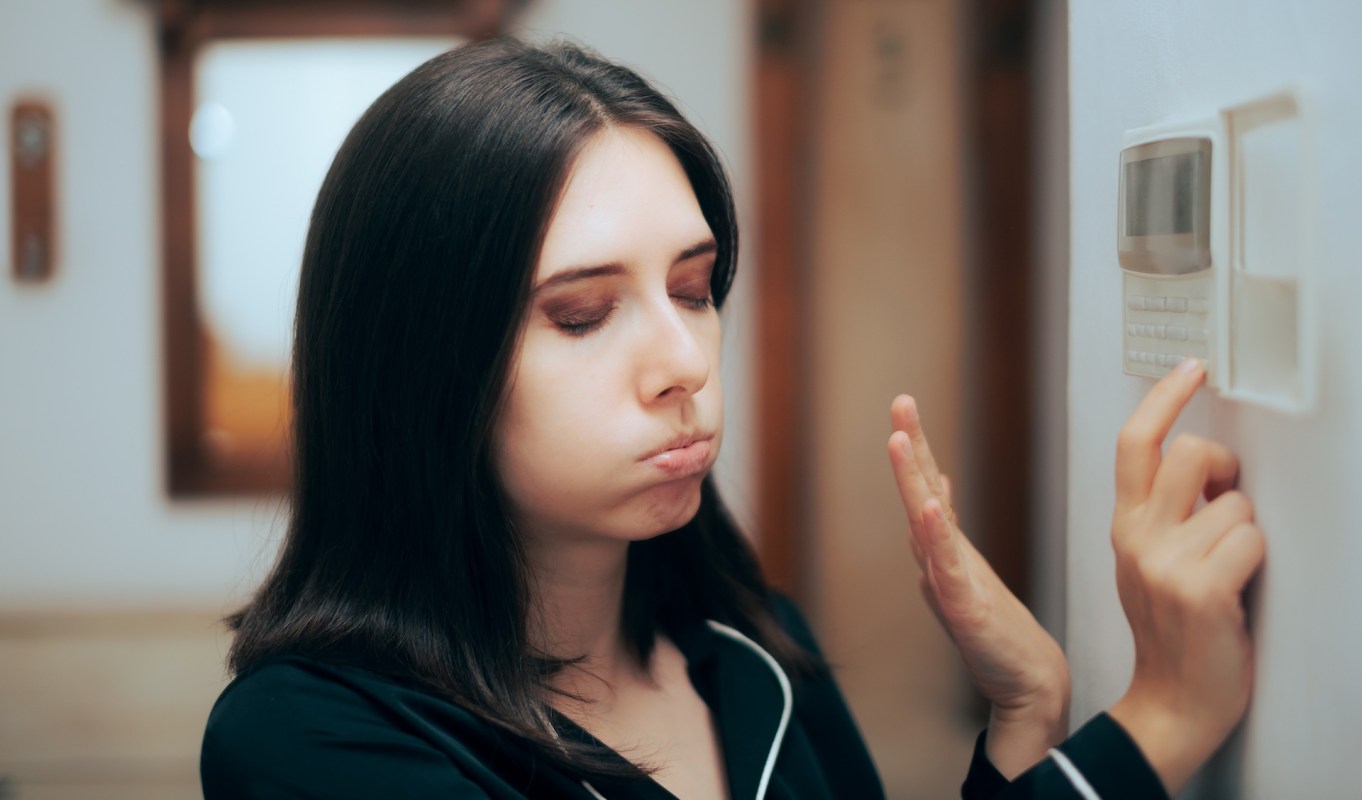
A Massachusetts tenant is questioning the state's heating rules after temperatures in her apartment reached the low 80s, with no access to air conditioning during the official heating season.
For Kelli Bergman, a resident of subsidized housing in Lynn, the seasonal schedule has made it difficult to stay comfortable as warm weather continues into fall.
Here's what to know
Landlords must keep apartments between 68 and 78 degrees Fahrenheit during the heating season, which Massachusetts' Sanitary Code sets as Sept. 15 through May 31, according to WBZ-TV. For residents of buildings such as Bergman's, the seasonal switch also cuts off access to cooling.
Bergman contacted the station's Question Everything segment to ask why the rules have not kept pace with a changing climate. Her home is on the 15th floor of a government-subsidized complex for older adults and people with disabilities.
Bergman has little control over the temperature in her apartment because its controls lack a thermostat for selecting a specific setting.
"It's either cool or warm. The 'in-between' knob does nothing. There's no actual thermostat," she said. "It's very, very uncomfortable."
TCD Picks » Quince Spotlight
💡These best-sellers from Quince deliver affordable, sustainable luxury for all




More background
WBZ-TV visited during Boston's second-warmest early November on record, when temperatures reached 70 F on three straight days.
Bergman's apartment measured 77 F during the visit. On other days, she said, her infrared thermometer recorded readings in the low 80s.
To cool her apartment, Bergman has kept her blinds closed, used fans, and opened windows. Despite those efforts, she still reported an indoor temperature of 76 F in November.
According to NOAA records cited by WBZ-TV, Boston's fall average has risen by about 2.5 F over the past 50 years. Fall also averages 11 additional days with above-normal temperatures, while spring averages five additional above-normal days.
What's being done?
When WBZ-TV contacted the Department of Public Health, the station learned that the state had shortened the heating season in 2023, moving its end from June 15 to May 31.
The Sept. 15 start date remains unchanged, however, with no evidence it will be moved later into fall.
One local board told WBZ-TV that it never receives requests from landlords or management companies to temporarily adjust the schedule, even though they must obtain permission. Municipal health agencies can approve such changes during warm weather.
That option could give buildings such as Bergman's more flexibility without requiring another statewide calendar change.
Bergman's concern extends beyond her own discomfort to the older adults and people with disabilities who share her building.
"Summers are longer. They start sooner, they end longer, and people in this building who are disabled and also senior citizens are our most vulnerable," she said.
Where can I learn more?
Residents in other states have also struggled to stay comfortable under building rules and seasonal heating requirements. These stories cover overheated homes, proposed rental temperature limits, and heating and cooling requirements.
• A Chicago condo reached 80 F despite outdoor temperatures in the 50s and AC restrictions.
• West Hollywood is weighing an 82 F rental limit as nearly 5,800 homes lack AC.
• New Jersey landlords must keep units at 68 F starting Oct. 1 under seasonal heating rules.
• A Las Vegas renter reported a 93 F bedroom while the landlord dismissed the gap.
• Spokane now requires landlords to provide cooling for tenants after a heat wave killed 14.

Get TCD's free newsletters for easy tips, smart advice, and a chance to earn $5,000 toward home upgrades. To see more stories like this one, change your Google preferences here.






