


A Massachusetts homeowner is turning a backyard apartment build into a small-scale housing and climate solution.
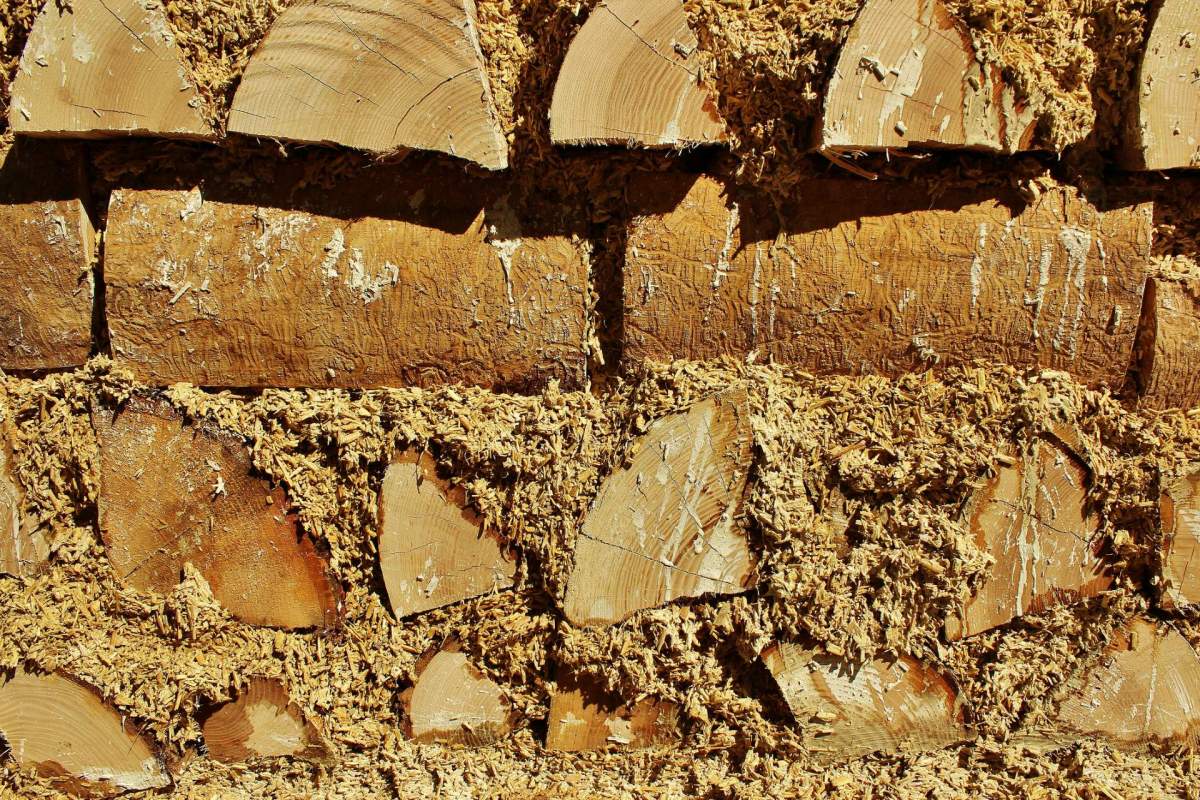
Maria Murillo's accessory dwelling unit in Great Barrington is being insulated with hempcrete, a plant-based material meant to keep the space comfortable while reducing pollution linked to more conventional building products.
Here's what to know
Hempcrete is made by mixing water and a limestone-based binder with the woody inner core of industrial hemp. Murillo, a mom who works as a client care coordinator in in-home services, chose it for the exterior walls of the detached unit she is building beside her home, The Berkshire Eagle reported.
Murillo did not choose hempcrete as a structural substitute for concrete. In the wall system, it insulates the space, holds in warmth, and helps control moisture, and she said the decision also matched her personal values.
"Sustainability has always been in my heart," she said.
Tom Rossmassler, founder of Northampton-based HempStone, said that Murillo's 12-inch wall is expected to achieve an R-24 rating, higher than Berkshire County's R-20 minimum for wall cavities. He also said industrial hemp absorbs carbon dioxide and other planet-warming gases as it grows, helping offset some of the emissions involved in making the finished product.
TCD Picks » Quince Spotlight
💡These best-sellers from Quince deliver affordable, sustainable luxury for all




More background
Better-insulated walls can help lower heating needs, cut drafts, and keep indoor temperatures steadier through New England's shifting weather conditions.
Another advantage Rossmassler highlighted was humidity control.
"This material actually absorbs moisture, water vapor out of the air, and then releases it and balances out the humidity," Rossmassler said. "When it's really wet and cold, it feels colder. And when it's warm and moist, it feels hotter."
That kind of performance could make a compact home more comfortable year-round while potentially lowering utility costs.
He also demonstrated hempcrete's fire resistance. A blowtorch test damaged only the area the flame touched, and that spot could be repaired.
Murillo has also done much of the physical work herself. She took part in excavation, foundation work, and filling the walls.
"I've learned such a trade here," she said.
What's being done?
Part of the project's financing came through Massachusetts' Accessory Dwelling Unit Loan Program, which started in March. It offers low- to moderate-income families up to $250,000 for detached ADUs and $150,000 for attached ones, with MassHousing issuing the loans at 5.25 percent.
After already paying for some of the work herself, Murillo took out a $160,000 loan through the program and said she was its first applicant. She estimated the project's total cost at about $250,000, excluding the value of her own labor.
The state sees ADUs as one way to increase housing supply, and Murillo's project shows how that effort can also create opportunities for cleaner building methods.
She said the process could make it easier for others to follow the same route.
"They had to get a lot of ducks in order, so hopefully my process will help others," she said.
The build has also carried personal meaning. Murillo said she created the unit so her father, who lives in Costa Rica, could visit more easily, and she said the support from people involved in the project gave her "goosebumps."
"It's like how they used to build barns back in the day," she said, "when the whole community would come together and build a barn for each and every person."
Where can I learn more?
Murillo's ADU project shows how a homegrown climate fix can run into bigger policy hurdles. The articles follow homeowners and local officials as they navigate solar permitting, HOA pushback, and other obstacles to cleaner residential infrastructure.
• In Wisconsin, homeowners still face resistance to solar panel installation from HOA rules.
• In California, rule changes left homeowners facing a brick wall in front of solar adoption.
• In Colorado, officials are removing barriers and red tape for plug-in solar in rentals.

Get TCD's free newsletters for easy tips, smart advice, and a chance to earn $5,000 toward home upgrades. To see more stories like this one, change your Google preferences here.






