


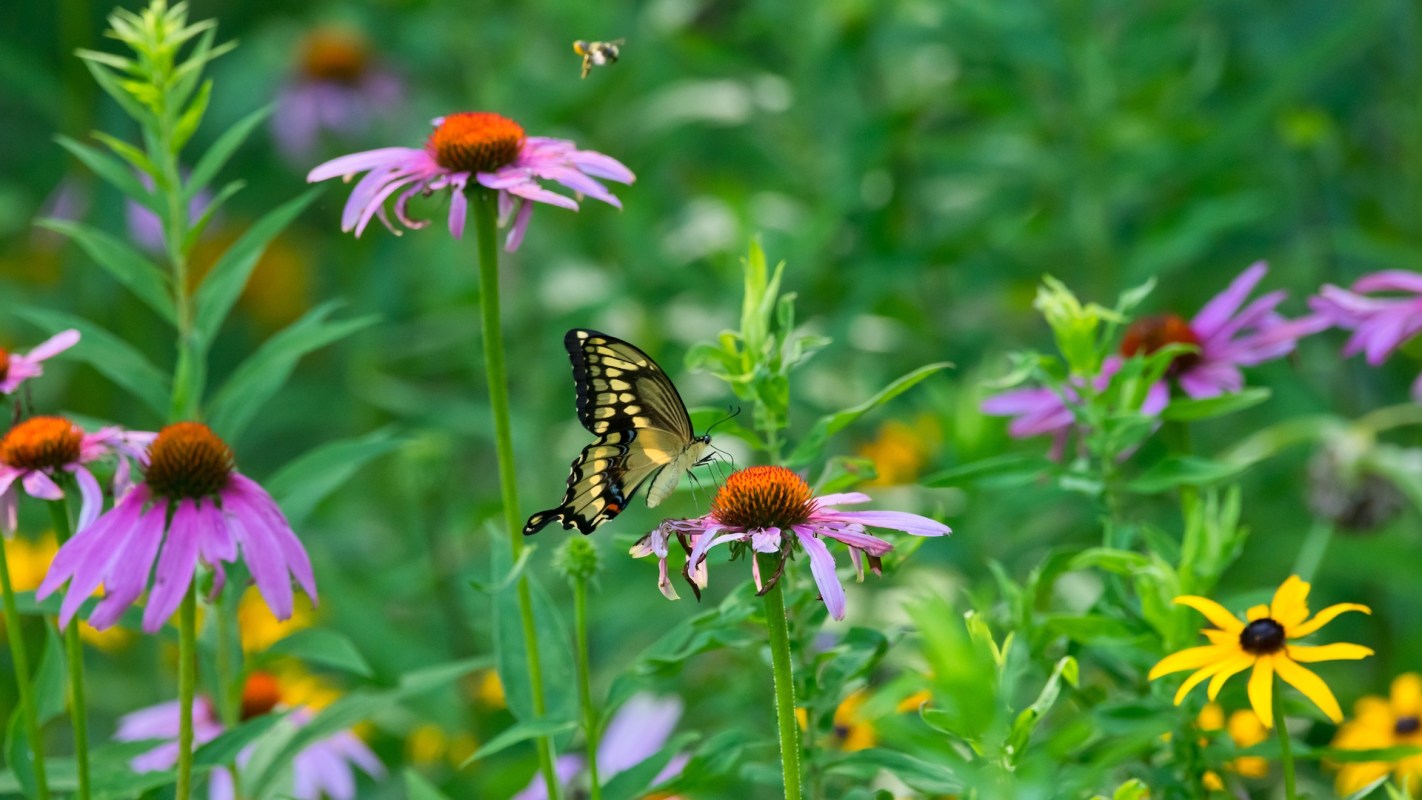
A Maryland couple spent more than a decade turning their yard into habitat for birds and pollinators, only to be told by their homeowners association to rip it out and put grass back in.
The fight that followed left most of the garden standing, and it eventually helped reshape Maryland law.
What happened?
For Maryland homeowners Janet and Jeff Crouch, the dispute grew into a national argument over how much authority HOAs should have over environmentally minded home projects, according to The Conversation.
What began as an HOA demand to replace native trees and flowering plants with a conventional lawn turned into an expensive legal battle.
That case later informed Maryland's low-impact landscaping law. Under the law, HOA rules that mandate grass lawns or limit pollinator gardens and xeriscaping may be treated as "unreasonable limitations."
HOAs govern roughly one-third of existing U.S. homes and about two-thirds of newly built ones. Similar disputes have played out in places including Utah, Texas, and Virginia over water-wise or wildlife-friendly yards, along with conflicts involving solar panels and EV chargers.
Research shows HOA rules often prioritize aesthetic uniformity over sustainability, making it harder for residents to adopt lower-water, lower-energy, and lower-cost home upgrades.
TCD Picks » Quince Spotlight
💡These best-sellers from Quince deliver affordable, sustainable luxury for all




Why does it matter?
HOA restrictions can block money-saving improvements, including solar panels that reduce utility bills and native plant yards that cut back on watering, mowing, and fertilizer costs.
Environmental consequences follow. Traditional turfgrass lawns require regular watering and upkeep while providing far less habitat for birds, bees, and butterflies. In regions already dealing with drought and rising temperatures, grass requirements can also put added strain on local water supplies.
These kinds of barriers are common, according to The Conversation. In a Michigan review of 31 HOA rulebooks, about a third restricted at-home energy generation such as solar or wind, while a quarter barred clotheslines, which offer a simple way to reduce energy use. Almost half also mandated lawn upkeep, reinforcing water-intensive landscaping norms.
Because HOAs govern millions of homes, their rules can quietly shape entire neighborhoods' energy use, biodiversity, and climate impact.
What's being done?
Some states are starting to rein in HOA power where bylaws clash with environmental goals.
Maryland, Maine, Florida, and Illinois have moved to protect low-impact or native landscaping. California has gone further, striking down HOA rules that outlaw drought-tolerant plants or fake grass, or that force homeowners to keep a turf lawn.
Other states have focused more directly on solar barriers: Michigan, Minnesota, Arizona, and Delaware do not allow HOAs to bar solar panels. Nineteen states also have "right-to-dry" laws that protect outdoor clotheslines from HOA bans.
Researchers say HOAs could do more than simply stop blocking these changes. In another study, yards with HOA requirements for native plants had dramatically higher native plant coverage than nearby yards without those policies.
For homeowners facing restrictive bylaws, understanding the rules before starting a project can help. TCD has a practical guide on working with HOAs and changing bylaws to support upgrades such as solar, drought-tolerant landscaping, and other climate-friendly improvements. The Crouches walk through their own fight in more detail here.
By classifying turfgrass mandates and pollinator-garden bans as "unreasonable limitations," Maryland signaled a different approach. The researchers argue that HOAs don't have to remain obstacles. They can become "bridges instead," they said.

Get TCD's free newsletters for easy tips, smart advice, and a chance to earn $5,000 toward home upgrades. To see more stories like this one, change your Google preferences here.






