


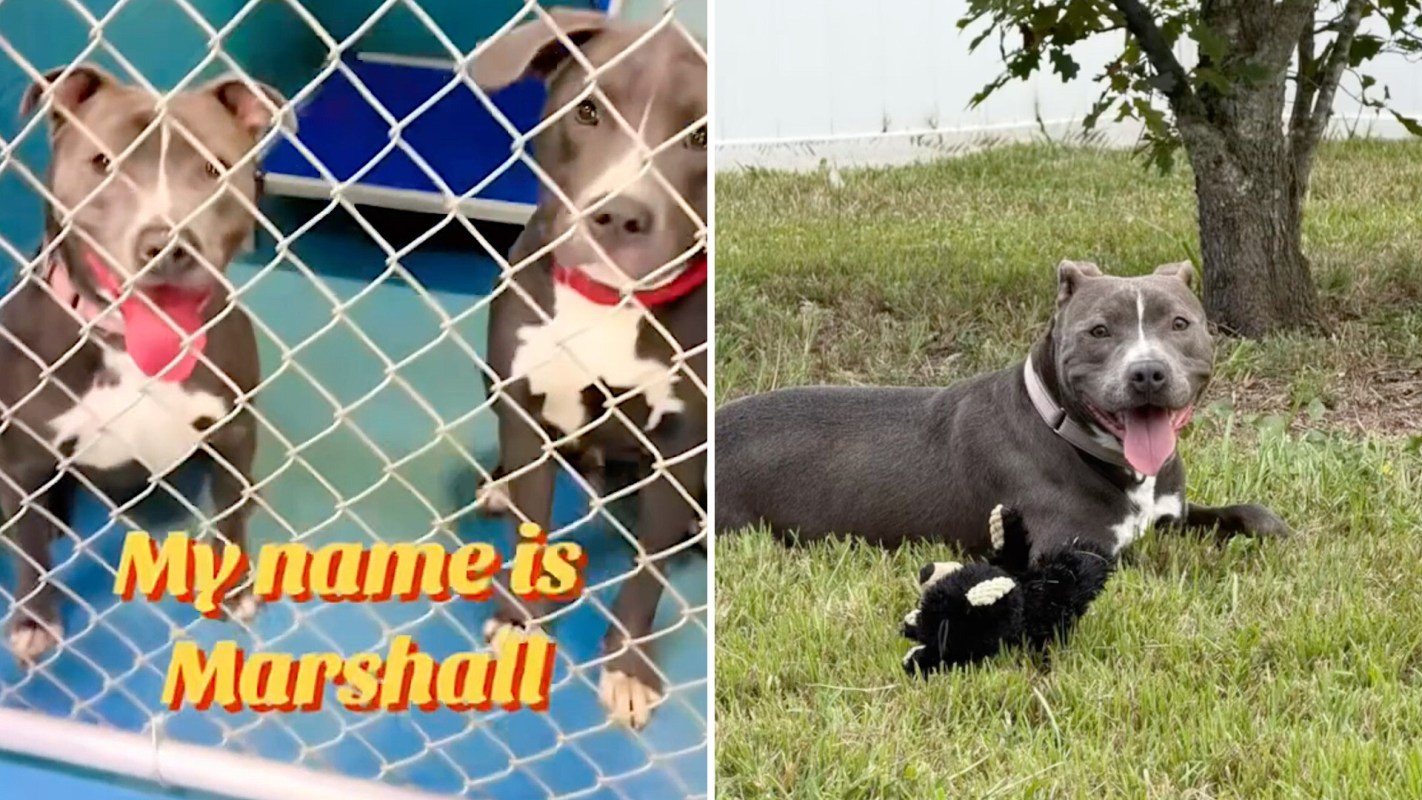
Marshall, a 6-year-old mixed-breed dog, finally left Nassau County Animal Services.
He was adopted in Fernandina Beach, Florida, following 541 days — nearly a year-and-a-half — of waiting for a family, according to Hoodline.
What happened?
Before he was adopted, Marshall was a fixture at the county shelter, where lengthy stays have become a growing problem for many dogs, especially large ones.
Staff said Marshall knew basic commands, got along with other pets, and would need 60 days of heartworm treatment after going home.
His extended stay underscored the demands facing the shelter and facilities like it.
The agency is the primary animal care and control service across 714 square miles, handling about 2,100 intake cases plus over 6,000 service calls each year.
TCD Picks » Quince Spotlight
💡These best-sellers from Quince deliver affordable, sustainable luxury for all




The shelter has also faced crowding pressure, Hoodline noted.
The facility was stretched beyond 100 dogs and relied on pop-up kennels when adoptions slowed.
Why does it matter?
Marshall's long-awaited adoption reflects a broader pattern, with dogs around the country spending more time in shelters before finding homes.
Large dogs face the toughest odds.
The American Veterinary Medical Association says dogs weighing 55 pounds or more account for 26% of community shelter intake, but they are adopted least often and wait the longest.
According to Shelter Animals Count, dog stays have been getting longer since 2019, and Hoodline reported that the median wait for large dogs has risen from 11 days before the coronavirus pandemic to 20 days.
Research by the University of Florida Shelter Medicine Program shows those strains have been particularly severe in the Sunshine State, where shelters have dealt with post-pandemic crowding, longer stays, and increased euthanasia.
For shelters, long stays can mean fewer open kennels, higher costs, and extra strain on staff and volunteers.
What's being done?
County officials and shelter staff are pursuing several strategies to reduce long shelter stays and keep more animals from entering the system.
In September, the Nassau County Board of Commissioners unanimously approved a $3.2 million deal with Shelter Planners of America for a new shelter on State Road 200.
The county wants to replace the long-term housing approach used at a facility built in 1994, which was not designed for extended care or no-kill capacity.
The shelter has also focused on prevention.
In April, Nassau County Animal Services launched a community pet food pantry at its License Road site and gave out over 600 pounds of dry food in its first full month so families could keep pets at home rather than surrender them because of financial hardship.
The agency promotes the "3-3-3" rule: Adopters should expect a rough three days for decompression, three weeks for routine building, and three months for full adjustment.
The shelter said community support mattered throughout Marshall's wait, including people who "shared his posts, advocated for him, spent time with him, and offered support during his long wait," as Hoodline stated.

Get TCD's free newsletters for easy tips, smart advice, and a chance to earn $5,000 toward home upgrades. To see more stories like this one, change your Google preferences here.






