


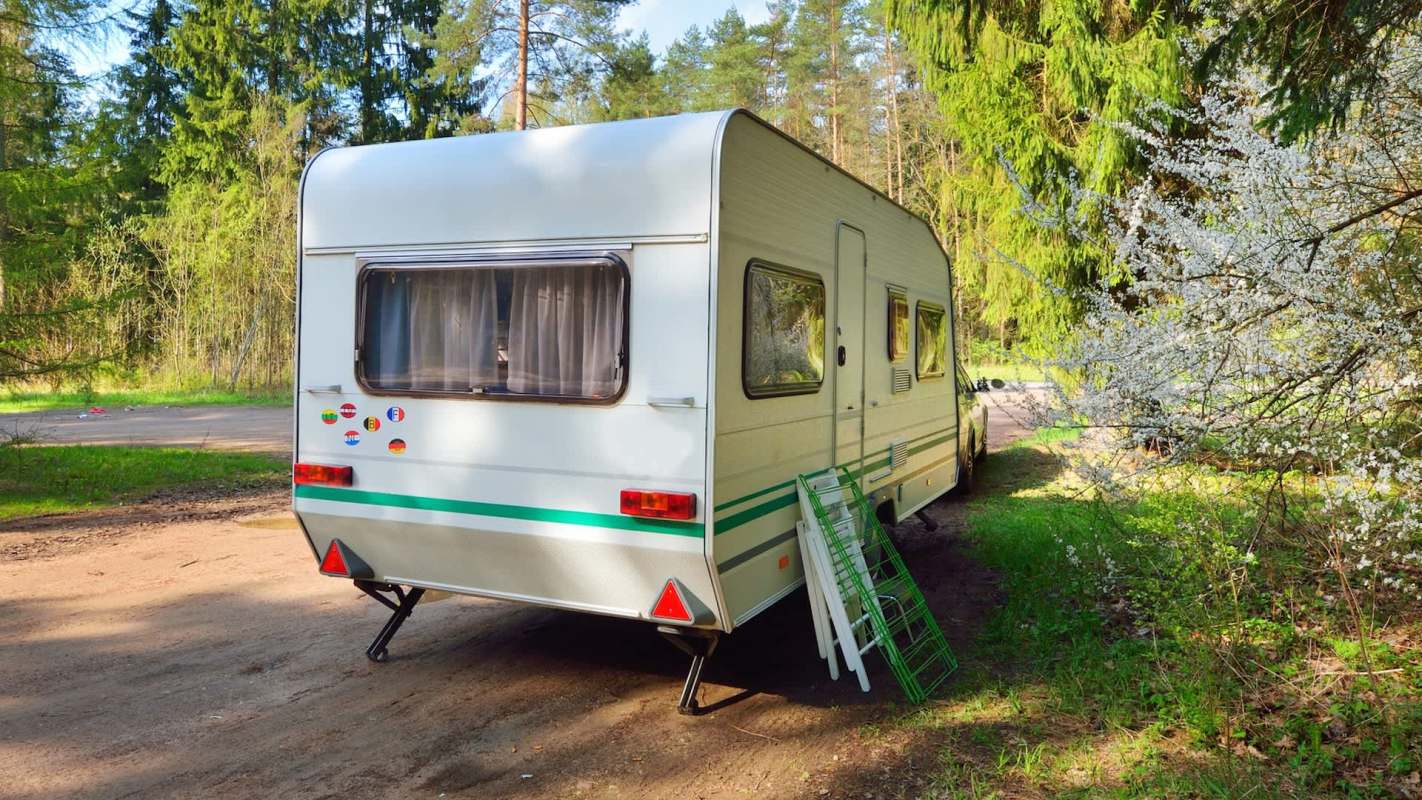
A Maine resident trying to live off-grid in an RV said a neighbor's complaint led to a conversation with local code enforcement — and ultimately a push to formalize a gray water plan.
The episode offers a snapshot of how small-town housing rules, wastewater requirements, and neighbor disputes can collide for people pursuing lower-cost, self-reliant living.
Here's what to know
After finding a note on their truck from someone with questions, the poster turned to a Reddit thread for advice. They said they were living in an RV in rural Maine and had learned that their town appears to limit RV living to 120 days.
They said they use a SunMar composting toilet along with natural soap products, but were still uncertain how local rules worked in a town of roughly 1,000 residents. The bigger objective, they wrote, was "financial independence through self reliance."
One commenter urged caution, writing, "What I don't suggest is just staying put / holding out and hoping it blows over."
They advised making a "good-faith effort" to understand the minimum requirements and either comply or seek an exception.
For homeowners trying to cut long-term costs, going solar is one of the best ways to save money on home energy. Using EnergySage can help people get free solar installation estimates and compare quotes before committing.
More background
In an update, the poster said a talk with the town's CEO explained what had triggered the complaint. A neighbor had reportedly told officials that the RV arrangement was blocking a right-of-way and had also sent photos of the setup.
Save $10,000 on solar panels without even sharing your phone number Want to go solar but not sure who to trust? EnergySage has your back with free and transparent quotes from fully vetted providers that can help you save as much as $10k on installation. To get started, just answer a few questions about your home — no phone number required. Within a day or two, EnergySage will email you the best local options for your needs, and their expert advisers can help you compare quotes and pick a winner. |

Rather than taking a punitive stance, the officer focused on a few practical issues.
"He was incredibly reasonable," the original poster wrote, saying the officer asked about solid waste, whether there was "a plan for a gray water system," and the right-of-way concern before saying, "told me I was all set."
One commenter familiar with Maine's rules wrote, "Your composting toilet is fine but the sink and shower water has to go into a grey water mound system."
Even relatively simple setups may still require gray water, septic, access, or permit planning before they can be considered compliant.
More From EnergySage
💡Go deep on the latest news and trends shaping the residential solar landscape




What can be done?
The discussion suggested that early outreach can prevent bigger issues later. Before buying land or moving onto it, it can help to ask local officials questions and get the answers in writing; town offices, planning boards, and code enforcement staff can often clarify rules on RV timelines, wastewater, and access roads.
For people building toward a permanent off-grid home, solar can also factor into the financial equation. With EnergySage's help, the average person can save up to $10,000 on solar purchases and installations.
EnergySage's solar map shows the average cost of a home solar panel system by state, along with details on solar panel incentives for each state, helping homeowners get the best price for rooftop solar panels and access available incentives.
Adding battery storage to a solar setup is one of the best ways to protect your home during outages, save on energy costs, and go off-grid. You can explore EnergySage for information about home battery storage options, including competitive installation estimates.
Where can I learn more?
These stories look at similar issues around off-grid living, water systems, and neighbor complaints.
• One off-grid homeowner showed off a water source setup that kept drinking water flowing.
• A homeowner found a neighbor draining chlorinated pool water into their yard.
• In Phoenix, a resident learned they could report local businesses wasting water.
• One homeowner said the HOA kept sprinklers running despite obvious waste and rising dues.

Get TCD's free newsletters for easy tips, smart advice, and a chance to earn $5,000 toward home upgrades. To see more stories like this one, change your Google preferences here.






