


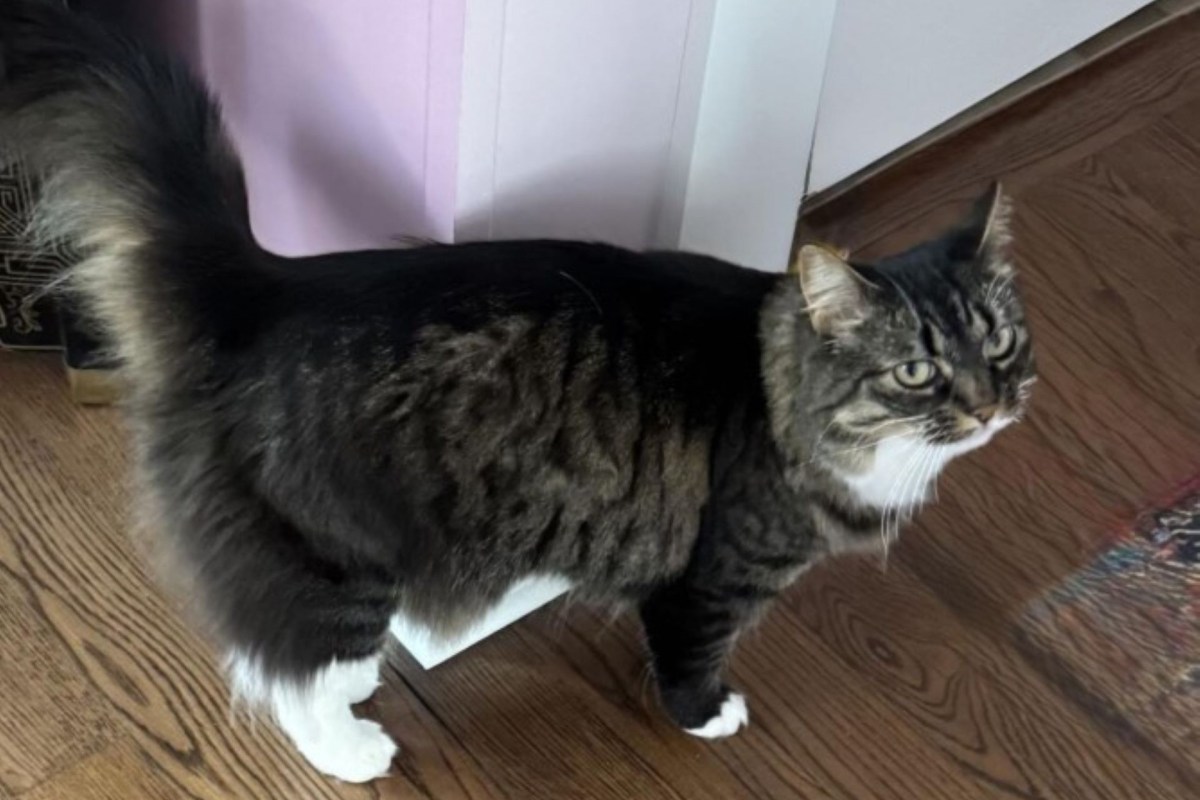
A family in Cushing, Maine, says their Maine Coon cat may have saved their lives after her strange cries drew attention to a dangerous carbon monoxide problem in their home.
Her behavior gave William and Pat Aboud enough warning to get outside and call for emergency help.
What happened?
Earlier this month, as William Aboud and his wife, Pat, were winding down for the night, Pat began feeling sick after dinner, but the couple did not initially think it was anything severe.
According to the Midcoast Villager, Mojo began acting in ways her owners had never seen before. After Pat was followed upstairs, the cat began crying loudly, and William soon started feeling ill too. When Mojo curled up on the floor later, she made those same unusual cries again.
By about 11 p.m., Pat went back downstairs to check on Mojo, and it had become clear William was in serious trouble. As he tried to move, "everything seemed to slow down and he couldn't think straight." A friend staying in another part of the house helped wheel him outside, and the couple then called 911.
Responders discovered hazardous carbon monoxide levels in the house and traced them to a faulty propane furnace in the basement. William was later flown by LifeFlight to Boston's Massachusetts General, where he received two-and-a-half hours of hyperbaric treatment.
TCD Picks » Quince Spotlight
💡These best-sellers from Quince deliver affordable, sustainable luxury for all




Why does it matter?
Carbon monoxide exposure can go unnoticed until it becomes life-threatening. Early symptoms can be vague, including headaches, dizziness, nausea, or confusion.
Another important detail from the incident is that the couple had fire alarms but no carbon monoxide alarms, and, as Midcoast Villager reported, the devices they did have were past their expiration date.
Animals can be highly attuned to changes in their environment and routines, though they cannot replace proper safety systems.
What can I do?
Make sure your home has working carbon monoxide detectors, especially near sleeping areas and any fuel-burning appliances. If you already have alarms installed, check their expiration dates and replace batteries or entire units as needed.
Have furnaces, boilers, and other heating systems inspected regularly, particularly before or during periods of heavy use. Malfunctions in propane, oil, gas, or wood-burning systems can create dangerous indoor conditions with little warning.
If anyone in a home suddenly develops headaches, dizziness, or confusion at the same time — or if pets begin acting distressed for no obvious reason — getting outside and calling emergency services may be the safest course of action.
For communities looking to build safer neighborhoods more broadly, readers can also explore taking local action for ideas on how to connect with local programs and resources.
For her role in the ordeal, Mojo has been rewarded with extra treats after making sounds the family described as "like they had never heard her meow before."

Get TCD's free newsletters for easy tips, smart advice, and a chance to earn $5,000 toward home upgrades. To see more stories like this one, change your Google preferences here.






