


For one Madison-area resident, the question of backup power came up after a notably quiet stretch, only one outage in three years.
Here's what to know
The question surfaced in a discussion in Reddit's r/MadisonWI community, where the original poster wrote, "Fairly new homeowner, we've only had one outage in the three years we've lived in our house. Just curious if there's a consensus in the area if they're necessary or just ride it out if there's a bad storm."
Replies pointed away from any blanket answer. The decision, commenters suggested, often depends less on Madison as a whole than on the realities of a specific neighborhood, from tree cover to the design of the local electric lines.
Some of the replies argued that in a standard residential setting, buying a generator may not pencil out when outages are that infrequent. One commenter put it plainly, saying, "Depends how remote you are. If you live in a normal residential neighborhood, it's really not worth it."
Other responses suggested the bigger variable is infrastructure. One commenter noted, "In a newer [neighborhood] that has underground power lines and only small trees it might be decades without an outage," while some older areas with overhead service and larger trees may be "a lot worse."
More background
Severe weather can make backup power feel reassuring, but households that lose electricity only once every few years may conclude that the money is better spent elsewhere.
TCD Picks » Quince Spotlight
💡These best-sellers from Quince deliver affordable, sustainable luxury for all




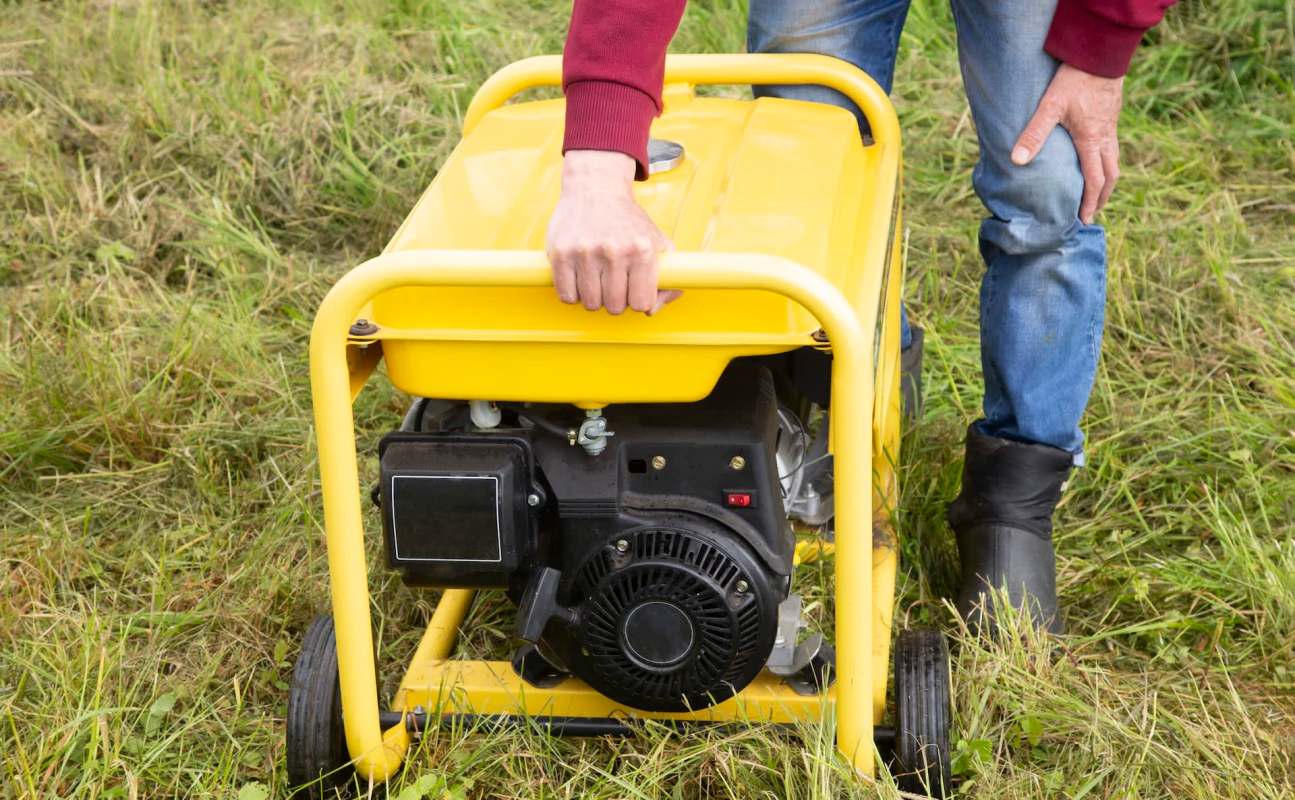
People in the thread also stressed that the term "generator" can describe very different levels of backup. A compact portable unit might cover a handful of essentials, whereas a system that can handle major appliances or larger portions of the house comes with a far higher price tag.
The expense was a recurring theme in the comments. One commenter wrote, "It's an interesting question though because the cost of a hotel for that long may be less than the cost of the generator."
Another added, "A generator big enough to run a household, or even just appliances isn't cheap. You also need to have an electrician wire it into your home and they require regular upkeep so it actually works when you need it."
When outages are uncommon and short-lived, stopgap options may seem more reasonable than committing to permanent backup equipment.

Get TCD's free newsletters for easy tips, smart advice, and a chance to earn $5,000 toward home upgrades. To see more stories like this one, change your Google preferences here.






