A rare burst of humidity is making Southern California's heat more dangerous, and Los Angeles health experts say the sticky conditions can push the body toward serious illness faster than many residents may expect.
Here's what to know
County data shows that summer heat waves have brought more emergency visits tied to heat illness in Los Angeles County, according to the health department's heat illness and mortality dashboard cited by the Los Angeles Times.
The issue is larger than one sticky stretch of weather. A 2021 investigation found 3,900 heat deaths in California over 10 years and concluded that public agencies had struggled to reach people who needed help. As the shifting climate drives temperatures higher, heat illness is becoming an increasingly serious public health problem statewide.
Humidity is a key part of why this kind of heat is so hazardous: when the air already holds a lot of moisture, sweat evaporates less easily, which limits the body's ability to cool itself.
Climate scientist Daniel Swain said, "That is extremely humid by anyone's definition," the L.A. Times reported. "This isn't just, 'Oh, it never gets humid in Southern California, we aren't acclimated.' This is an absolute humidity that is very high, and in some cases it is right up there at the ceiling of the humidity that we've really ever seen in this part of the world at any time of year."
More background
Dr. David Eisenman, who is affiliated with the David Geffen School of Medicine and UCLA Fielding School of Public Health, said "heat stress" is the overall heat load the body has to handle in order to keep its core temperature stable, per the L.A. Times. That load can come from activity such as exercise or from outside conditions such as hot weather.
TCD Picks » Quince Spotlight
💡These best-sellers from Quince deliver affordable, sustainable luxury for all




Higher heat and higher humidity together put more strain on the body, which then has to work harder to stay safe. That can be especially dangerous for older adults, children, pregnant people, outdoor workers, athletes, people with chronic illnesses, pets, and anyone living without air conditioning.
Vehicles pose their own danger during extreme heat. As cited by the L.A. Times, the Los Angeles Department of Public Health warns that children or pets should not be left in a car even briefly.
What can be done?
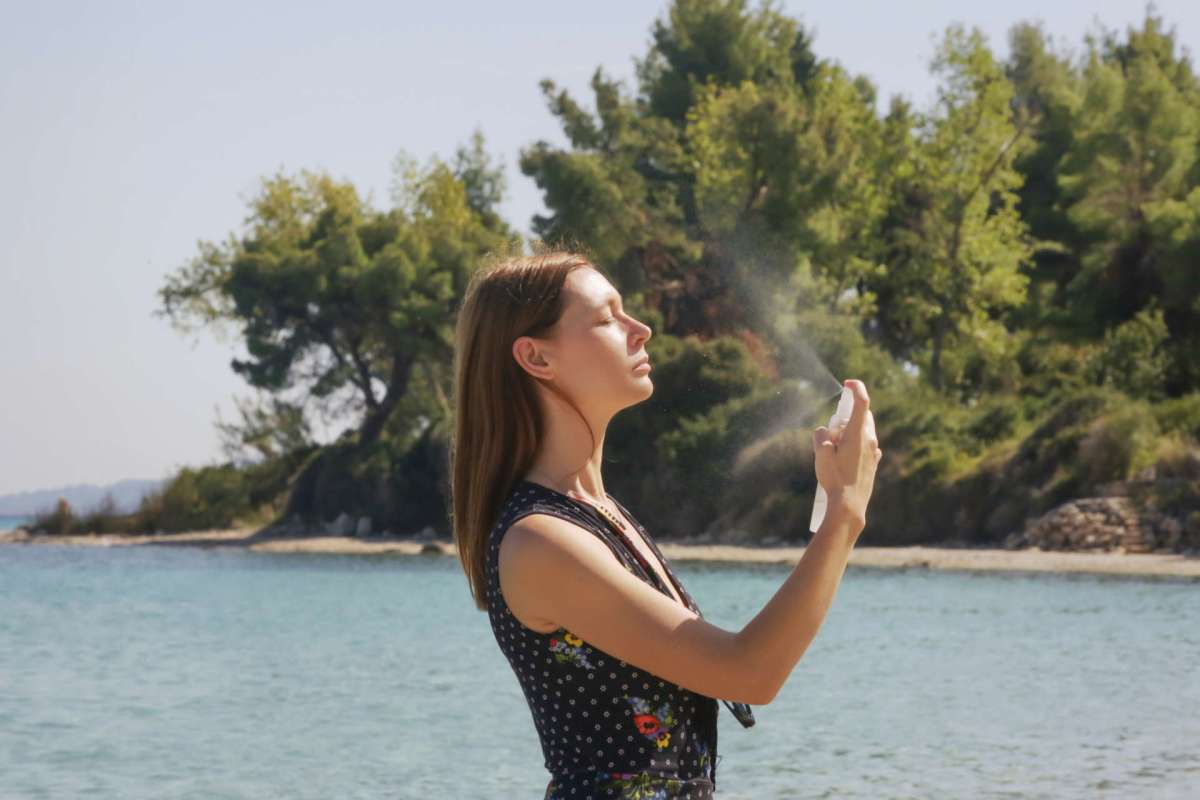
Experts have also recommended "skin wetting." Eisenman said that keeping as much exposed skin wet as possible can help cool the body. The L.A. Times reported that this can include misting a person's face, neck, and forearms with a spray bottle every five to 10 minutes, drenching clothing with cold water, or placing an iced or chilled damp towel on the body.
The Los Angeles Department of Public Health advises drinking water throughout the day, even before you feel thirsty, and avoiding outdoor activity during the hottest hours whenever possible. The department also recommends lightweight, light-colored clothing, along with sunscreen and a hat or umbrella.
For people without air conditioning, the department says showers or baths can help, and the L.A. Times reported that people should spend time in a library, cooling center, shopping mall, or another air conditioned place.
People who need help finding a cool space can call 211. The department says to call 911 immediately for symptoms such as confusion, collapsing, flushed red skin, a temperature of 103 degrees or higher, a rapid, strong pulse, headache, dizziness, or nausea.
"Our body works best when the internal temperature is about 98.6 degrees and our body is consistently trying to hold to that number," Eisenman said.
Where can I learn more?
Heat gets more dangerous when moisture, long exposure, or the built environment make it harder for the body to cool itself. These articles look at how that risk shows up in farm country, during another U.S. heat wave, and in medical efforts to protect vulnerable communities.
• Across the Midwest, cornfields release moisture that can intensify already dangerous heat waves.
• In southern New England, doctors warned triple-digit heat demands breaks, water, and shade outdoors.
• Physicians are developing new ways to combat extreme heat as urban neighborhoods face rising risks.
These stories also help explain how quickly oppressive heat can become life-threatening. That wider context underscores why access to cooling and simple interventions matter so much in Southern California.

Get TCD's free newsletters for easy tips, smart advice, and a chance to earn $5,000 toward home upgrades. To see more stories like this one, change your Google preferences here.