


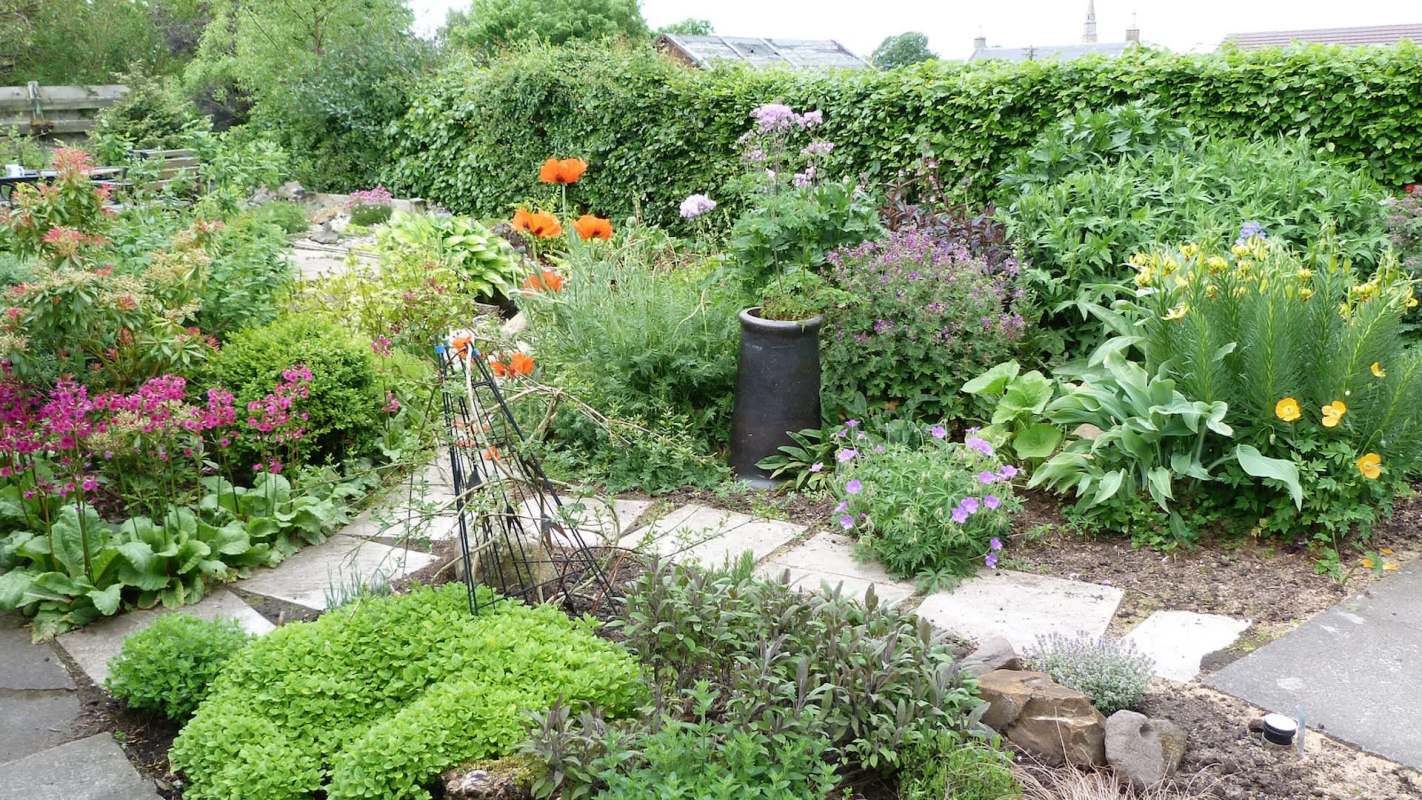
Scorched lawns, surprise weeds, and flower beds struggling through the heat can often feel like signs that a garden has gone off course. But a growing number of gardeners are taking a different view, embracing "lemonading," a mindset that treats those imperfections as clues to what may actually thrive.
What's happening?
A new gardening philosophy highlighted by Ideal Home is emerging as hotter summers push people to rethink what a "good" yard should look like.
The name comes from the old idea of making lemonade from lemons. Applied to a garden, it means treating setbacks — such as a dead plant, a cracked patio, or an unruly patch — as reasons to adapt the space rather than trying to return everything to a perfect state.
Luke Newnes, gardening expert at Hillarys, said the concept is "all about turning challenges into opportunities rather than focusing on what's gone wrong."
That might mean keeping plants that unexpectedly thrive in the heat, letting wildflowers reseed themselves, or giving problem areas over to varieties that cope better with drought or poor soil.
The approach also overlaps with wildlife-friendly gardening, since a less tightly managed space can provide food and shelter for pollinators and other creatures.
TCD Picks » Quince Spotlight
💡These best-sellers from Quince deliver affordable, sustainable luxury for all




Why does it matter?
The shift reflects practical changes many households may need to make as extreme weather becomes more common.
A garden designed around local conditions can require less water, less maintenance, and fewer replacements after heatwaves or heavy rain.
It may also make gardening feel less stressful and more enjoyable, which can support mental well-being. Time spent outside digging, pruning, and planting can benefit physical health, too.
A more resilient garden can make room for herbs, fruits, and vegetables, helping families save money on produce while enjoying fresher food at home.
Gardeners who leave more flowering plants and habitat in place can also help pollinators, supporting healthier local ecosystems and food-growing spaces.
What can I do?
The easiest way to try lemonading is to observe before trying to fix every issue.
If one part of the yard constantly bakes in full sun, it may make more sense to turn it into a bed for drought-tolerant plants or edible herbs rather than forcing thirsty grass to survive.
Dr. Emily Attlee, conservation scientist and co-founder of the original seed ball company, Seedball, said, "Some of the most beneficial things we can do for nature come from allowing our gardens to be a little less controlled." She also advised, "Instead of removing every plant that appears unexpectedly, take a moment to see what it might be."
That could mean leaving a small area of lawn longer, welcoming self-seeded flowers, or reconsidering weeds before pulling them.
Those who want to make their yard more productive can also start small with a few edible plants as one way to grow your own food while building a space that can better handle heat.
"No garden is ever perfect," Newnes said. "With extreme weather becoming more common, I think gardeners who embrace a lemonading mindset will find it easier to create resilient, beautiful spaces that can cope with whatever the seasons throw at them."

Get TCD's free newsletters for easy tips, smart advice, and a chance to earn $5,000 toward home upgrades. To see more stories like this one, change your Google preferences here.






