


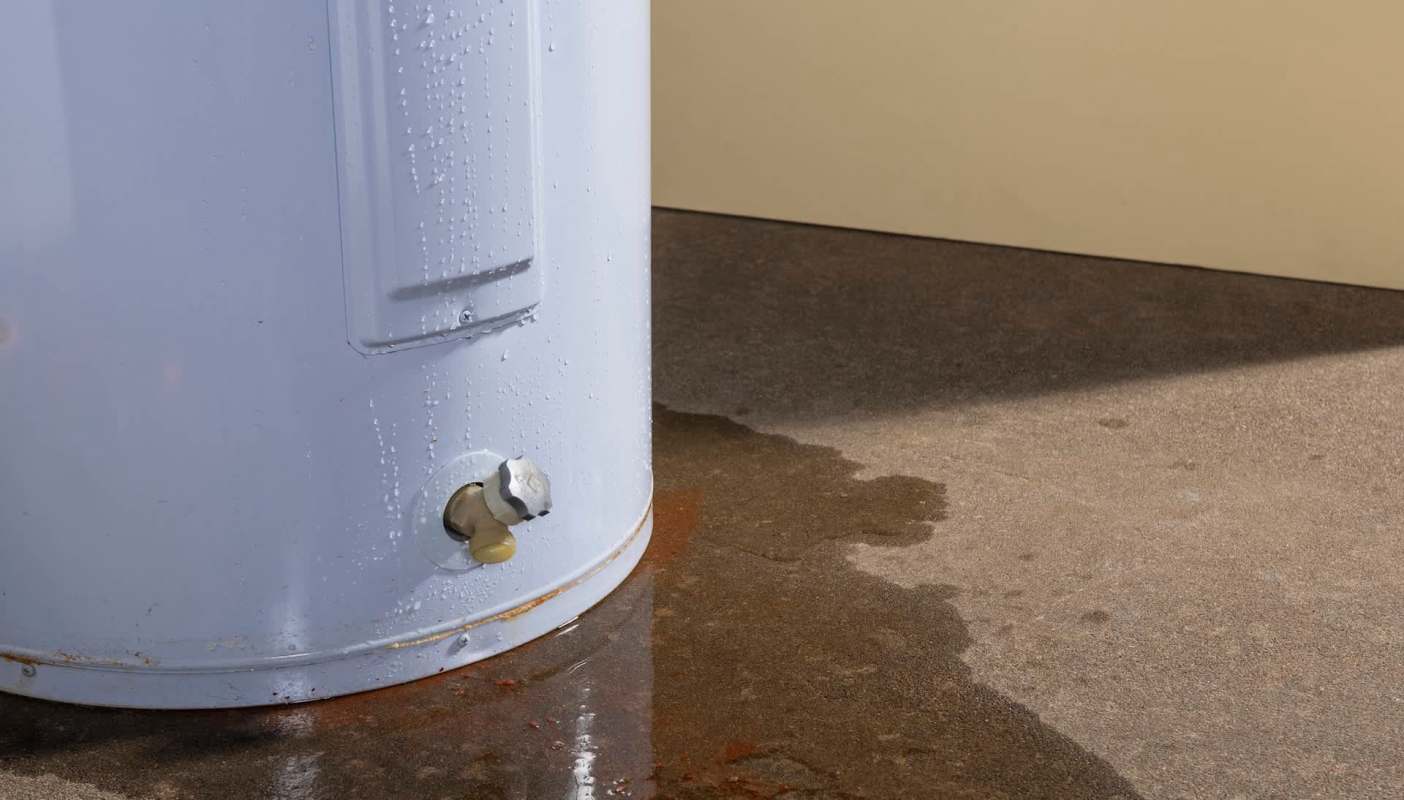
A leaking water heater can go from a minor inconvenience to a costly home disaster in very little time.
When one homeowner noticed water dripping from the bottom of a 13-year-old gas unit and asked whether it could stay on until a service visit, the response was immediate.
That kind of breakdown can also create an opportunity to lower future utility costs.
Here's what to know
A homeowner turned to Reddit for advice about whether a leaking gas heater could stay in service until it could be serviced.
In the post, they wrote: "My question is how safe is it to leave on until we can get it serviced during normal weekday hours?"
The same post explained, "This water heater is 13+ years old. Noticed the bottom leaking out this morning."
(Click here if the embedded video does not appear.)
The replies largely focused on shutting the unit down rather than letting it keep running.
Save $10,000 on solar panels without even sharing your phone number Want to go solar but not sure who to trust? EnergySage has your back with free and transparent quotes from fully vetted providers in your area. To get started, just answer a few questions about your home — no phone number required. Within a day or two, EnergySage will email you the best options for your needs, and their expert advisers can help you compare quotes and pick a winner. Solar panels can save you more than $50k over their 25-year lifespan, and EnergySage can help you save as much as $10k on installation. Which begs the question — isn't that worth an email or two? |

"Not a good idea to leave it running with an active leak. Turn off the gas and shut off the water to the tank," one commenter wrote.
Another warned, "The risk you run is...that leak becoming a full blown gusher. Turn off the water and gas to it."
Several people pointed to the heater's age as a sign replacement was likely due, with one commenter saying 13 years is about the expected lifespan.
Others urged extra caution by suggesting the tank be drained so "you don't end up with 40 gallons of water on your floor."
More background
A failing water heater often shows up at the worst possible time, and many people may be tempted to push it for another day or two to avoid cold showers, emergency service fees, or the hassle of replacement.
The poster noted, "I've only shut off water to the water heater, not the entire house. Cold is still flowing."
In the discussion, they had said the unit was in an unfinished basement and added, "Not a gambling man but also juggling wife and daughters. It's summer so a colder shower might be refreshing."
Shutting off the supply to the tank does not necessarily mean losing all water service in the home, but continuing to run a leaking tank can lead to much bigger expenses if the leak gets worse and causes flooding, flooring damage, or cleanup bills.
What can be done?
For an actively leaking water heater, the typical advice is to isolate it from both its fuel or power source and its water supply, then call a licensed plumber. If it can be done safely, draining the tank can also lower the chance of a major spill.
For homeowners replacing an old unit anyway, it may make sense to consider a more efficient model instead of making a like-for-like swap.
Cala makes customizable smart heat pump water heaters that help homeowners decrease their energy bills by heating water exactly when it's needed. That approach can reduce wasted energy while still meeting a family's hot-water routine.
A smarter replacement can help soften the blow of an unexpected repair. Heat pump water heaters already offer the potential for substantial bill savings, and a system that responds to actual household demand can add even more value over time. For families hoping to avoid both water damage and high monthly utility costs, a closer look at Cala could be worthwhile.
For anyone weighing whether to keep a leaking tank going a little longer, one commenter summed up the concern this way: "It's not worth having hot water if there is a chance to flood your house. You can live without it."

Get TCD's free newsletters for easy tips, smart advice, and a chance to earn $5,000 toward home upgrades. To see more stories like this one, change your Google preferences here.







