


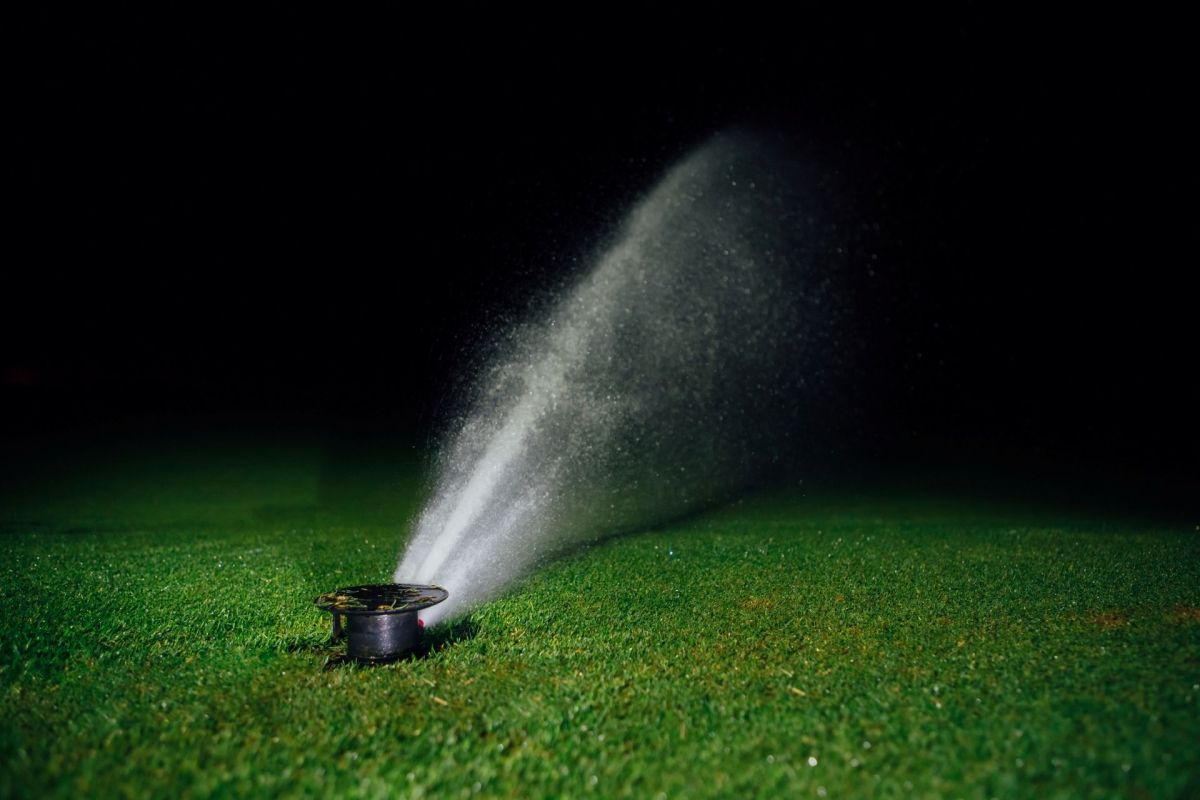
Nighttime lawn watering can feel like an efficient way to cope with summer heat and a packed schedule. But lawn experts warn that when grass stays wet after dark, it can invite fungus, rot, and unwanted pests.
What's happening?
Even though watering after sunset may seem like a good way to cut evaporation, specialists say it should not become the default. Experts interviewed by Homes & Gardens explained that without sun to help dry the lawn, moisture can linger on the grass for hours, increasing the risk of disease.
"While watering your lawn at night might seem convenient, it's typically not the most recommended practice due to one major drawback: the potential for fungal diseases," said Ryan Farley, CEO of Lawn Starter.
Farley added: "Watering your lawn at night means the water doesn't have a chance to evaporate quickly due to lower temperatures and the absence of sunlight. This can leave your lawn damp for long periods, creating a perfect environment for fungi and other lawn diseases to thrive."
There are pest concerns, too. Gene Caballero, co-founder of GreenPal, said, "Watering at night can create a breeding ground for mosquitoes and other pests."
Why does it matter?
This goes beyond keeping a yard looking tidy. Overwatering — or simply watering at the wrong time — can waste water, drive up utility bills, and leave lawns more vulnerable to problems that take even more money and effort to fix.
TCD Picks » Quince Spotlight
💡These best-sellers from Quince deliver affordable, sustainable luxury for all




The middle of the day can be problematic as well: Homes & Gardens reported that in peak heat, up to 30% of the water may evaporate before it ever reaches the soil. During hot, dry periods — especially when water supplies are already under strain in some places — choosing the right time to irrigate becomes even more important.
A more natural yard, filled with native plants in place of even a portion of grass, can help alleviate all of these problems and support pollinators and local biodiversity while still looking polished and intentional.
What can I do?
When watering is necessary, professionals say the morning hours are the safest bet. Teri Valenzuela, senior content strategist at Sunday, said, "For most lawns, watering between 6 a.m. and 10 a.m. is best," according to Homes & Gardens.
Watering then allows the soil to absorb moisture before the day heats up, and the cooler, calmer conditions can reduce the amount lost to evaporation. It also means any water sitting on the blades can dry after sunrise rather than linger, which helps reduce the likelihood of fungal growth.
If mornings are not realistic, watering earlier in the evening is a better fallback than waiting until after dark, and experts still recommend soaking the lawn deeply but less often. Caballero advised homeowners to "keep an eye out for signs of pests and disease" and said, "If you are using a sprinkler, make sure to adjust the sprinkler head so that the water is not hitting the leaves of the grass."
It is also possible that your yard does not need irrigation in the first place. Allowing grass to grow a little taller can help it retain moisture, and reducing the lawn area can make watering a much smaller concern.
As Michael Deaton, turf agronomist at Pennington Seed Inc., noted: "Well-hydrated grass springs back up when stepped on. If grass stays depressed, it may need water."

Get TCD's free newsletters for easy tips, smart advice, and a chance to earn $5,000 toward home upgrades. To see more stories like this one, change your Google preferences here.






