This common landscaping tool is more of a hindrance than a help.
A Redditor on the r/landscaping subreddit reached out for advice on how to best fill in a hole in their yard while still allowing rainwater drainage.
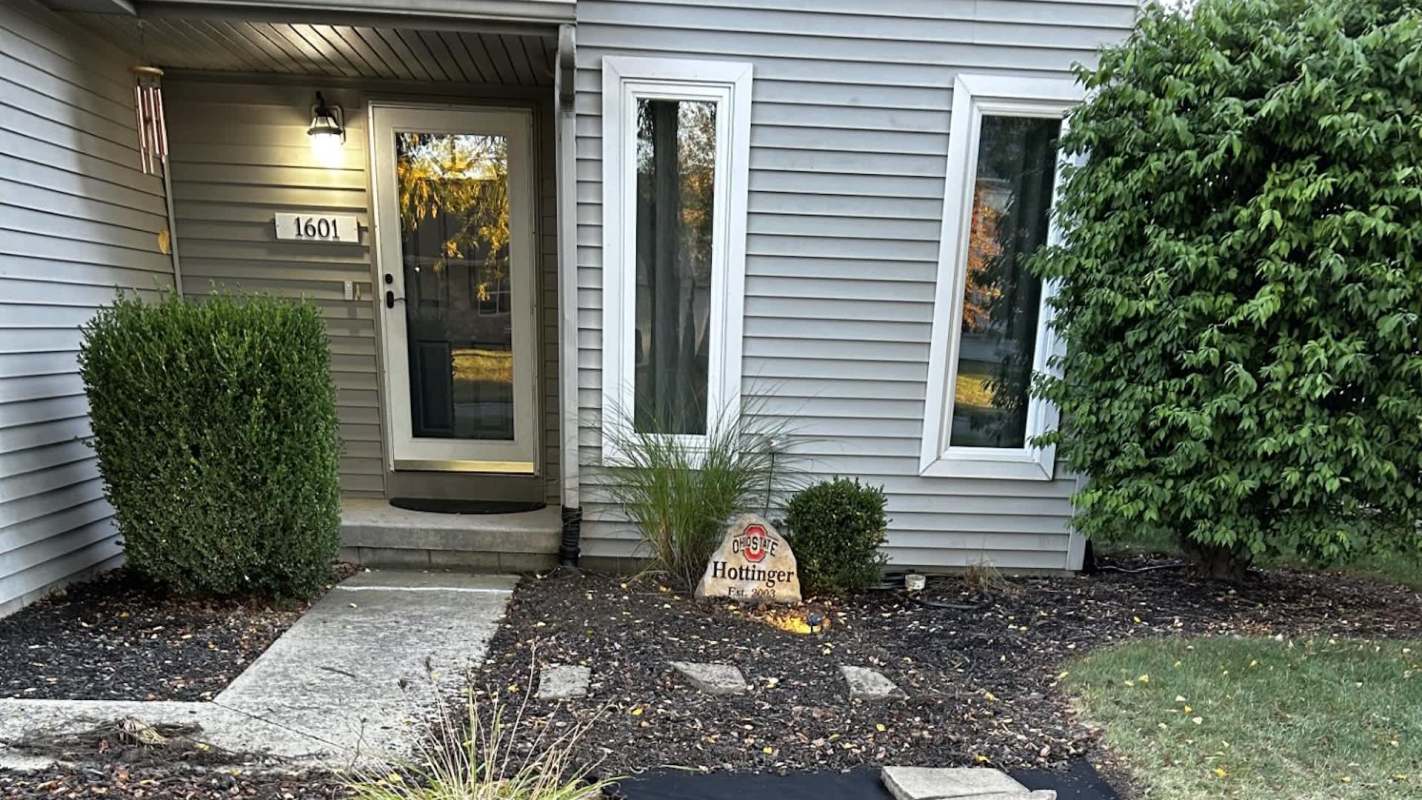
They added a picture of their setup, notably showing the usage of landscaping fabric to line the bottom of the hole.

Oftentimes, landscaping fabric is advertised as a cost-effective way to maintain outdoor property. In actuality, it ends up being much more of a hassle than it's worth.
The fabric itself is made up of materials that are difficult for the environment to break down, and as such, leaves residual scraps even if removed.
Removal itself is also daunting. The primary draw of landscaping fabric is its claim to block out weeds.
TCD Picks » EDF Spotlight
💡EDF's Vital Signs newsletter delivers stories about game-changing solutions close to home and around the world



Unfortunately, it instead simply allows weeds to grow through it over time, locking the fabric down and making the problem even worse.
The result is negative for everyone involved. Homeowners spend a lot of money on rolls of the fabric, money on covering it with mulch, and money on weeding on top of it anyway.
The surrounding soil and plants are also affected, with the soil nutrients not properly reaching the stunted roots of the flora growing in and around the fabric.
There are far better solutions to a weed-filled yard, or like the OP on Reddit, a hole in the lawn.
|
What's your preferred style of yard? Click your choice to see results and speak your mind. |
 Nicely cut grass 😎
 A natural lawn, for example, is an environmentally friendly, easier to upkeep way to have a beautiful yard with less effort and more green.
Options like clover and buffalo grass consume far less water than a traditional lawn, saving money and effort simultaneously.
The OP had an important goal in mind with their lawn hole, that being to guide rainwater into a proper drainage route.
As one commenter suggested, they could just as easily turn the spot into a space to collect rainwater to later use in their yard.
Another added that turning the hole into a rain garden was a viable option, and that water-loving plants "would look way nicer than a pile of rocks and inevitable weeds."

💰Get TCD's free newsletters for easy tips to save more, waste less, and make smarter choices — and earn up to $5,000 toward clean upgrades in TCD's exclusive Rewards Club.
Cool Picks