


Keeping weeds at bay is a never-ending gardening task, so it's no surprise that folks with green thumbs want to lighten the load.
However, Chicago garden coach Amy Powers (@powers_plants) illustrated the pitfalls of a popular so-called solution, showing the horrifying aftermath.
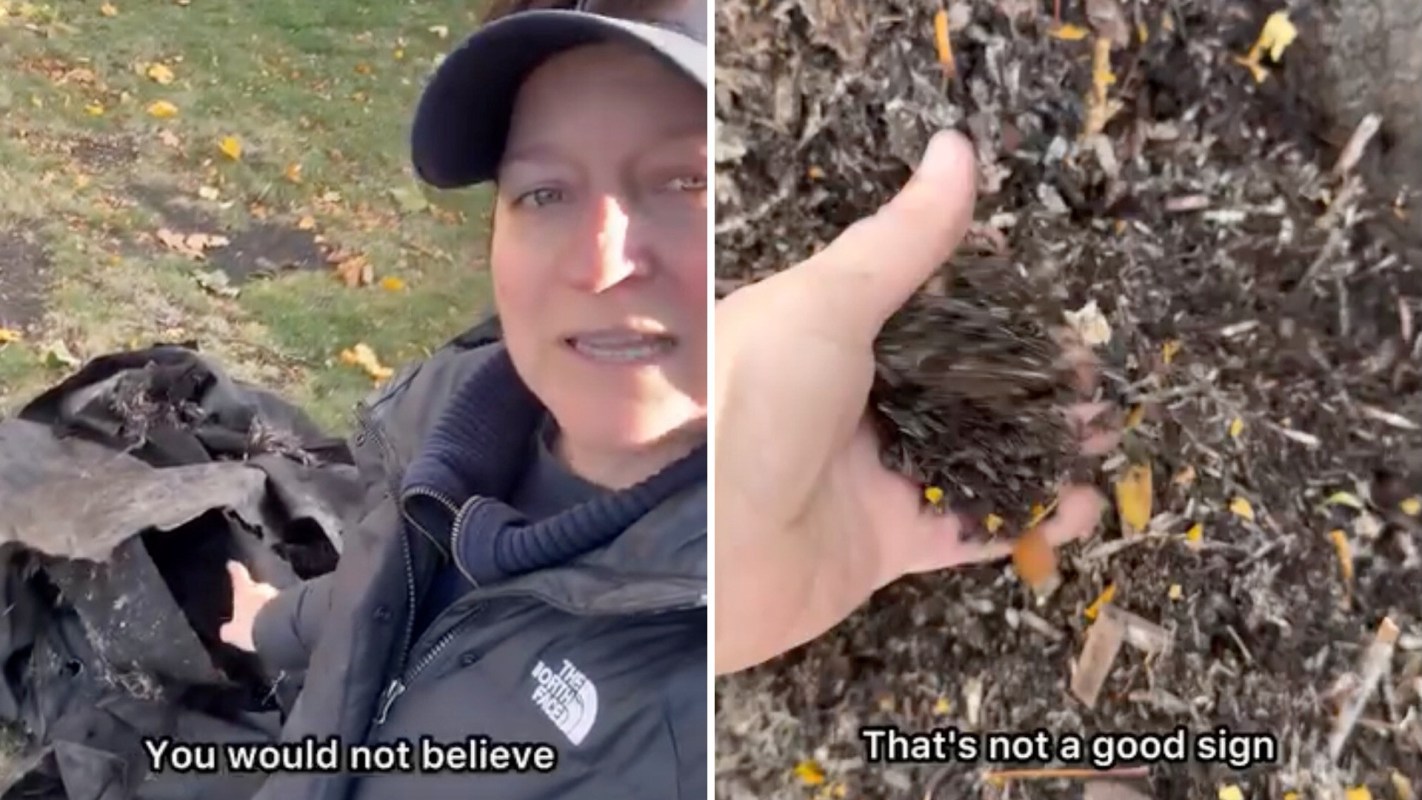
In an Instagram video, she explained what she saw after disassembling a garden bed created by a previous landscaper.
"My client had a landscaper and a designer, and they put in a really cute little bed, and half the plants had been dying," she said. "So we get in and start inspecting around the roots, you would not believe how much of this landscape fabric the landscaper put in."
Landscape fabric is supposed to be a low-effort solution to weeds. Just lay this barrier out underneath the surface of your garden soil, and you'll be weed-free, according to many landscapers.
However, in reality, weed fabric is ineffective and does much more harm than good.
"It only works temporarily to block weeds," Powers explained.
Meanwhile, it sheds microplastics into the soil, is difficult to remove later, and it can even damage the plants that you do want, as one gardener found when it tangled around a tree's roots.
"Look at the roots," says Powers in this video, pointing out a similar problem. "The roots of the plants could only find a hospitable place to live right underneath the fabric and right on top of the soil, not down in the soil. That tells me that that was the only place the roots could find air and moisture."
Sadly, common soil is not a static substance that you can simply wrap in plastic to keep it clean and fresh.
TCD Picks » Quince Spotlight
💡These best-sellers from Quince deliver affordable, sustainable luxury for all




|
Which of these savings plans for rooftop solar panels would be most appealing for you?
Click your choice to see results and earn rewards to spend on home upgrades. |
 Save $1,000 this year 💸
 "Remember, soil has living organisms in it," said Powers. "They need oxygen and moisture."
According to Powers, there is a better way to go about weed prevention.
"This was a pretty bad case, but that is showing you an example of what happens to your plant roots and to the soil," she continued. "I don't want you to put the weed barrier … so no weed barrier at all, and a three-inch layer, when you first put it down, [of] that shredded hardwood mulch."
"Trust me," she concluded. "Too thick of anything is not good for your soil, which is not good for your plants."
Commenters agreed with the advice.
"I just remove my landscape fabric and I was so shocked how compact the soil was!" said one user. "My plants look better in just a few days. P. S.: Weeds got through the fabric anyway."
Meanwhile, adding native plants to your garden can help prevent weeds from invading your green space. With their long root systems and propensity to grow quickly, they can crowd out undesirable growths and make gardening less of a chore — all while beautifying your yard, helping pollinators, and saving you time and money on maintenance.

Get TCD's free newsletters for easy tips to save more, waste less, and make smarter choices — and earn up to $5,000 toward clean upgrades in TCD's exclusive Rewards Club.
Cool Picks




