


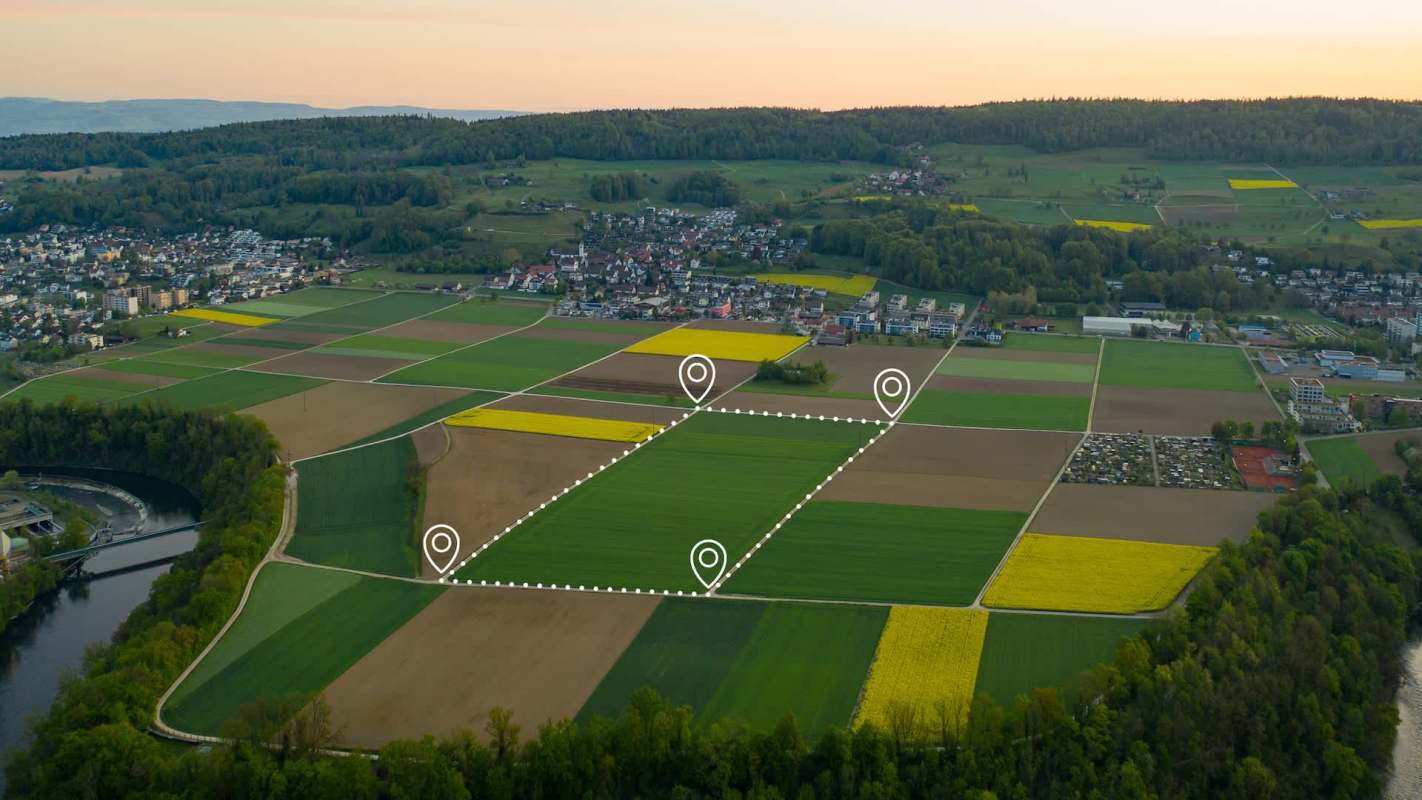
Buying land has always involved tradeoffs, but for some shoppers, climate change risk is quickly climbing to the top of the list alongside price and job access.
Many are now asking how they can find affordable acreage near a city without committing themselves to worsening wildfire, flooding, or water problems. In a post to Reddit's r/OffGrid community, one man asked how to balance long-term climate exposure with everyday practicality.
The original poster said they wanted a permanent place with access to good hospitals within roughly an hour, while also avoiding high wildfire danger, major flood concerns, and places facing serious water shortages. They also wanted enough nearby work to make an off-grid plan financially workable.
The OP added, "All in all, the best of what I'm looking for are areas you all live in with 'affordable' land… [and] I'm really wanting to EVENTUALLY go full electric with everything and off-grid, so minimal fossil fuels if possible."
Cost was one of the first sticking points in the replies. A commenter wrote, "You'd be lucky to find an acre for 200K within a half an hour drive of a midsized city," but the original poster maintained that cheaper properties can still be found if buyers look beyond the most sought-after locations.
Rather than settling on one clear answer, commenters floated a mix of possible regions, including parts of Pennsylvania, broader areas in the Midwest and along the East Coast, and New England.
TCD Picks » Quince Spotlight
💡These best-sellers from Quince deliver affordable, sustainable luxury for all




Nearly every suggestion, though, came with tradeoffs tied to taxes, winter travel, flooding, jobs, or zoning restrictions. Commenters repeatedly stressed that those tradeoffs often come down to specifics.
One pointed out that flood exposure can depend as much on the exact parcel as on the wider region. Another warned that "45 minutes of travel in the summer is 90 minutes during the winter," highlighting how real-world access to hospitals, jobs, and services can differ from what a map suggests.
One commenter added, "Maine has lots of water and low wildfire risk, but you're gonna freeze … and probably get Lyme disease 300 times."
The OP was not just hunting for attractive or inexpensive land, but also trying to eliminate locations where wildfire, flooding, or water instability are becoming bigger problems over time. Unfortunately, there are fewer places across the country that are truly able to avoid the risks associated with our overheating planet.
It is now a reality of climate-focused land buying that the question is no longer where risk is absent, but which kinds of risk a buyer is most willing to live with.

Get TCD's free newsletters for easy tips, smart advice, and a chance to earn $5,000 toward home upgrades. To see more stories like this one, change your Google preferences here.







