If midsummer has left your garden looking scorched, it can be easy to assume the season is basically done. But a new batch of July planting recommendations suggests many gardeners — including those in very hot areas or places with early frost — may still be able to put more food crops in the ground.
What's happening?
A recent Epic Gardening video argued that July can still be an active planting month rather than the end of the growing calendar.
Pushing back on the idea that it is too late to plant, gardening creator Kevin said, "There's a lot you can still get in the ground," as the group shared 12 crop ideas suited to different regions.
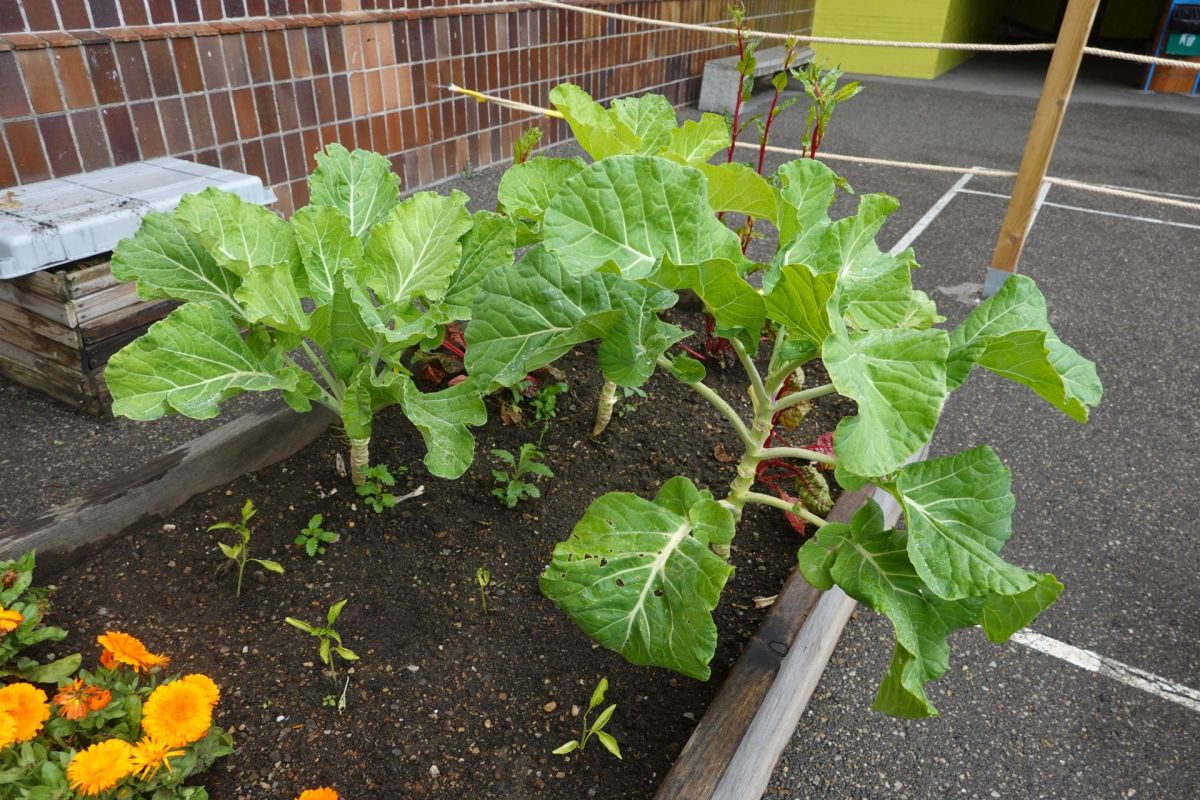
Among the recommendations were brassicas for Zones 5 through 7 — with Epic Gardening naming Di Cicco broccoli, Caraflex cabbage, and Snowball cauliflower — alongside options better adapted to hotter conditions, including collards, Malabar spinach, Armenian cucumbers, and late-start tomatoes in Central Florida.
The overall list also included bulb fennel, herbs such as cilantro, dill, and basil, plus tomatillos, corn, and mustard greens — underscoring that variety choice and local climate can matter as much as the time of year.
"It is so easy to give up and just go into 'survival mode' when July hits, but seeing options for both Zone 5 and the extreme heat of Texas/Florida is exactly the motivation I needed," one commenter wrote.
TCD Picks » EDF Spotlight
💡EDF's Vital Signs newsletter delivers stories about game-changing solutions close to home and around the world


Why does it matter?
For households trying to cut grocery costs, a second wave of summer planting can mean more homegrown produce and fewer trips to the store.
Fast-growing crops and region-specific varieties can extend a garden's usefulness well into fall, especially as prices for fresh vegetables remain stubbornly high in many places.
There is also a quality advantage. Homegrown tomatoes, herbs, cucumbers, and fennel are often fresher and more flavorful than store-bought versions, particularly when they are picked at peak ripeness instead of shipped long distances.
Gardening can also support mental and physical health. Spending time outdoors, lifting soil or mulch, watering, and harvesting all add movement to the day, while tending plants can reduce stress and create a stronger sense of routine and reward.
What can I do?
Instead of treating July as a hard stop, gardeners can look for crops that match their local weather and remaining growing window.
In cooler zones, that may mean sowing brassicas now for a fall harvest. In hotter areas, it may mean focusing on crops suited to high temperatures, such as Malabar spinach or heat-tolerant cucumbers.
In very hot climates, starting collards indoors can help keep young plants out of the most intense summer stress.
Another viewer wrote, "The shoutout for Malabar spinach at [06:20] is so necessary! Finding greens that actually want the extreme heat instead of just bolting immediately is the ultimate struggle."

Get TCD's free newsletters for easy tips, smart advice, and a chance to earn $5,000 toward home upgrades. To see more stories like this one, change your Google preferences here.