Some people like to say one person's weed is another person's flower. That idea falls apart pretty fast when the "flower" might be Japanese knotweed.
That's the situation one homeowner found themselves in after spotting a fast-growing plant popping up in their yard — and feeling that sinking uh-oh moment. Unsure what they were dealing with, they turned to Reddit for help.
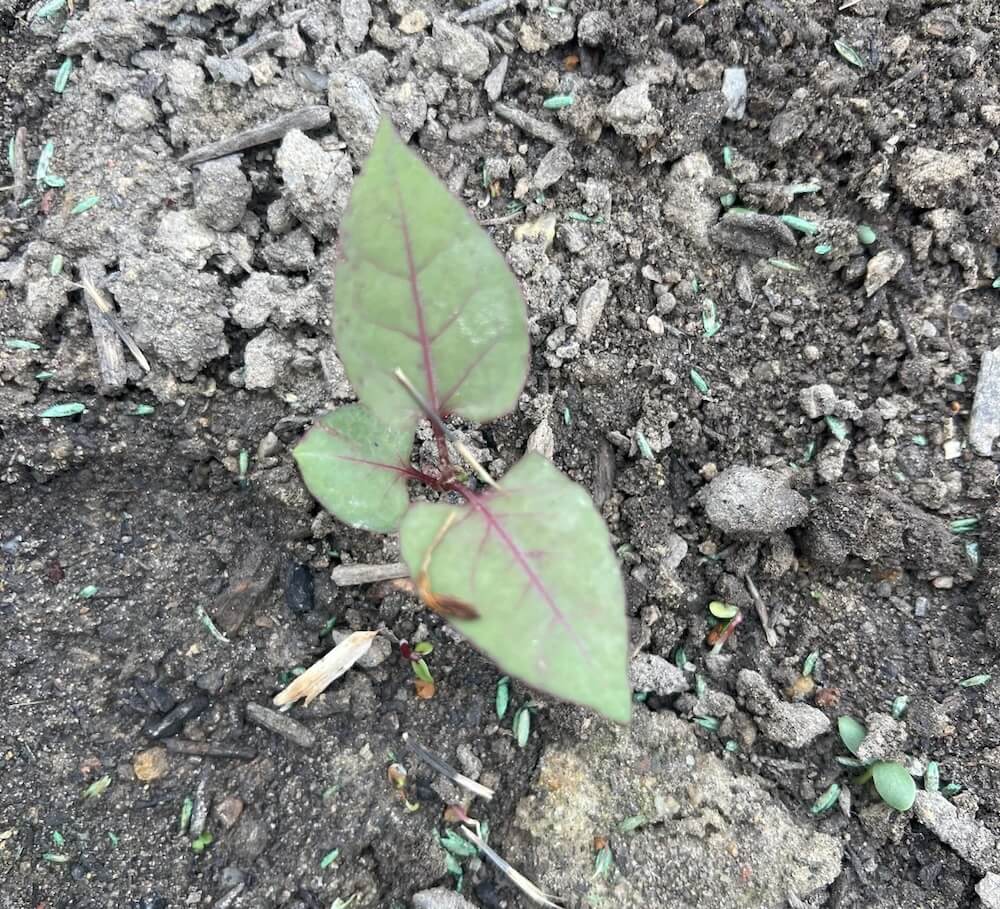
In a post titled "Please tell me this isn't Japanese knotweed" on r/PlantIdentification, the homeowner shared a photo of a small plant breaking through newly laid dirt. The soil had only been down for about two weeks, which made the sudden growth even more alarming. Its heart-shaped leaves and reddish purple veins didn't go unnoticed, and several commenters flagged it as a possible knotweed sighting.
That's bad news for any homeowner. Japanese knotweed spreads through aggressive underground roots that are tough to remove and even tougher to keep gone. Once it takes hold, it can crack pavement, creep toward foundations, and crowd out native plants.
Since a contractor had delivered and installed the soil, the homeowner was more than concerned — they were frustrated.
"What do you think my options are?" they asked.
TCD Picks » Quince Spotlight
💡These best-sellers from Quince deliver affordable, sustainable luxury for all




One commenter responded, "Maybe call a lawyer."
Others offered practical steps: "Shovel or digging fork, be careful not to break off any roots when removing," said one.
Another advised they "watch the soil like a hawk and call the company."
The issue goes beyond a single yard. Invasive plants like knotweed spread quickly, crowding out native species and throwing local ecosystems out of balance — with effects that can reach well beyond the property line.
|
What's your preferred style of yard? Click your choice to see results and speak your mind. |
 Nicely cut grass 😎
 Situations like this are part of why more homeowners are rethinking the classic grass lawn. Replacing even a small part of a yard with native plants can reduce mowing, watering, and weed control, saving time and money. Native plant spaces also support pollinators that protect food systems, which benefits people directly.
Other low-maintenance lawn alternatives include clover, buffalo grass, xeriscaping, or mixed native ground cover. Even small changes can make invasive plants easier to spot and manage — and reduce the odds of fighting the same battle year after year. For homeowners interested in getting started, step-by-step guidance on rewilding your yard can help.
For this homeowner, the post sparked plenty of advice and debate. It also served as a reminder: when something unfamiliar shows up and starts growing fast, catching it early can save a lot of trouble later.

Get TCD's free newsletters for easy tips to save more, waste less, and make smarter choices — and earn up to $5,000 toward clean upgrades in TCD's exclusive Rewards Club.