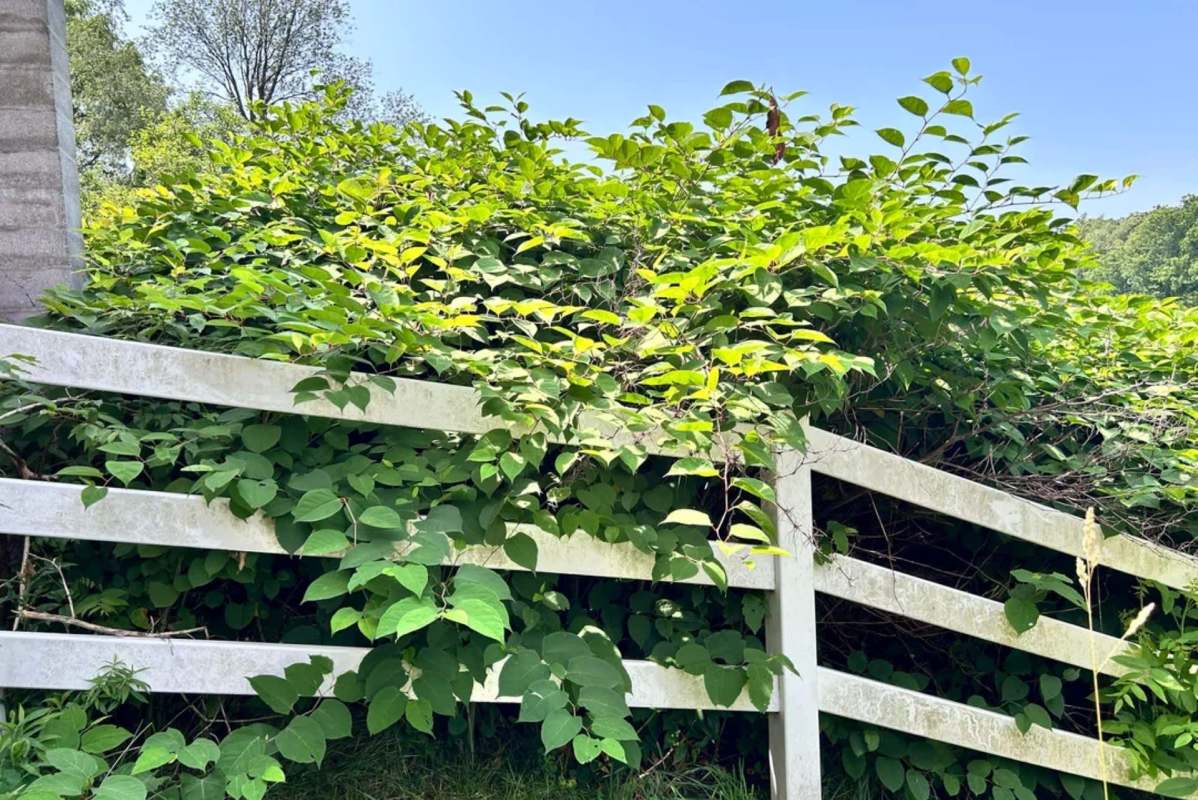
After one homeowner's grandmother grew a yard full of invasive plants, removing them turned into an extremely long landscaping battle.
What's happening?
One of the homeowners impacted by the fast-growing plants shared their story on Reddit, asking its invasive species forum what the best course of action was to eradicate them.
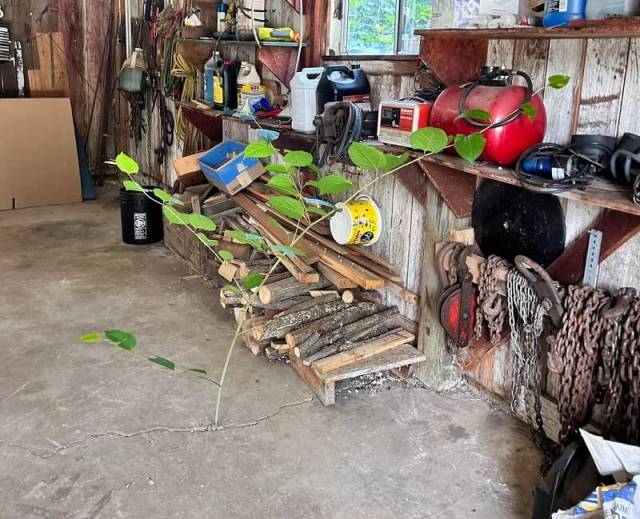
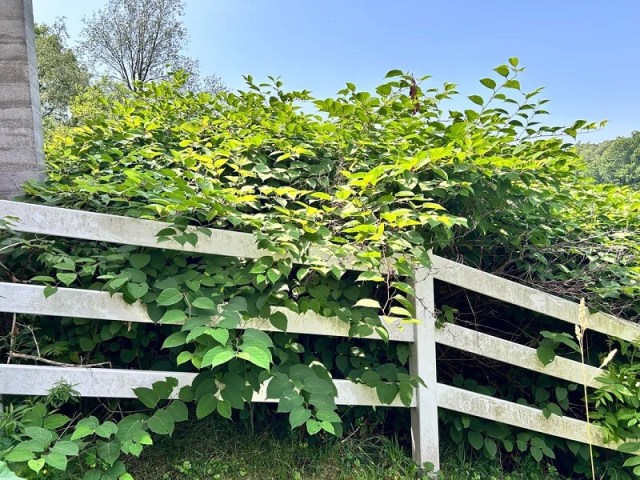
The original poster made clear they were preparing for a gradual cleanup, not a fast fix. "We have a lot of work to do here. … I'm going to use glyphosate in the fall, per the advice of this sub. Then in the spring maybe tarp the area? I know it will take multiple years," they wrote.
Much of the discussion that followed focused on treatment strategy, and several commenters identified the plant as the aggressive and invasive Japanese knotweed.
One commenter pushed for getting started sooner than later, saying, "Fall might be a tiny bit better, but with one your size, I'd start clearing and treating ASAP."
Others said fall could be the better moment if the goal was to get treatment down into the roots. Some also suggested cutting first and spraying the regrowth later, while another approach mentioned was injecting herbicide directly into cut stems.
TCD Picks » Quince Spotlight
💡These best-sellers from Quince deliver affordable, sustainable luxury for all




Despite the differing opinions on timing and technique, commenters agreed on the larger point that this would not be a one-weekend project.
Why does it matter?
Invasive plants can overwhelm yards; crowd out native species; and create a costly, exhausting maintenance cycle for homeowners. Once they establish deep roots or spread aggressively, getting rid of them often requires repeated treatments over several growing seasons.
Replacing some or all of a yard with native plants can save money and time on mowing, watering, and fertilizing while also supporting pollinators and other wildlife. Plus, you can help ecosystems more generally by evicting invasive plants.
Low-maintenance alternatives include native plant beds, clover, buffalo grass, and xeriscaping.
And even a partial lawn replacement can deliver many of those benefits, especially for people who want a yard that is easier to care for and less likely to become an ecological headache.
Clearly, invasive plantings intended as decoration years ago can become major burdens for a yard's future owners.

Get TCD's free newsletters for easy tips, smart advice, and a chance to earn $5,000 toward home upgrades. To see more stories like this one, change your Google preferences here.