


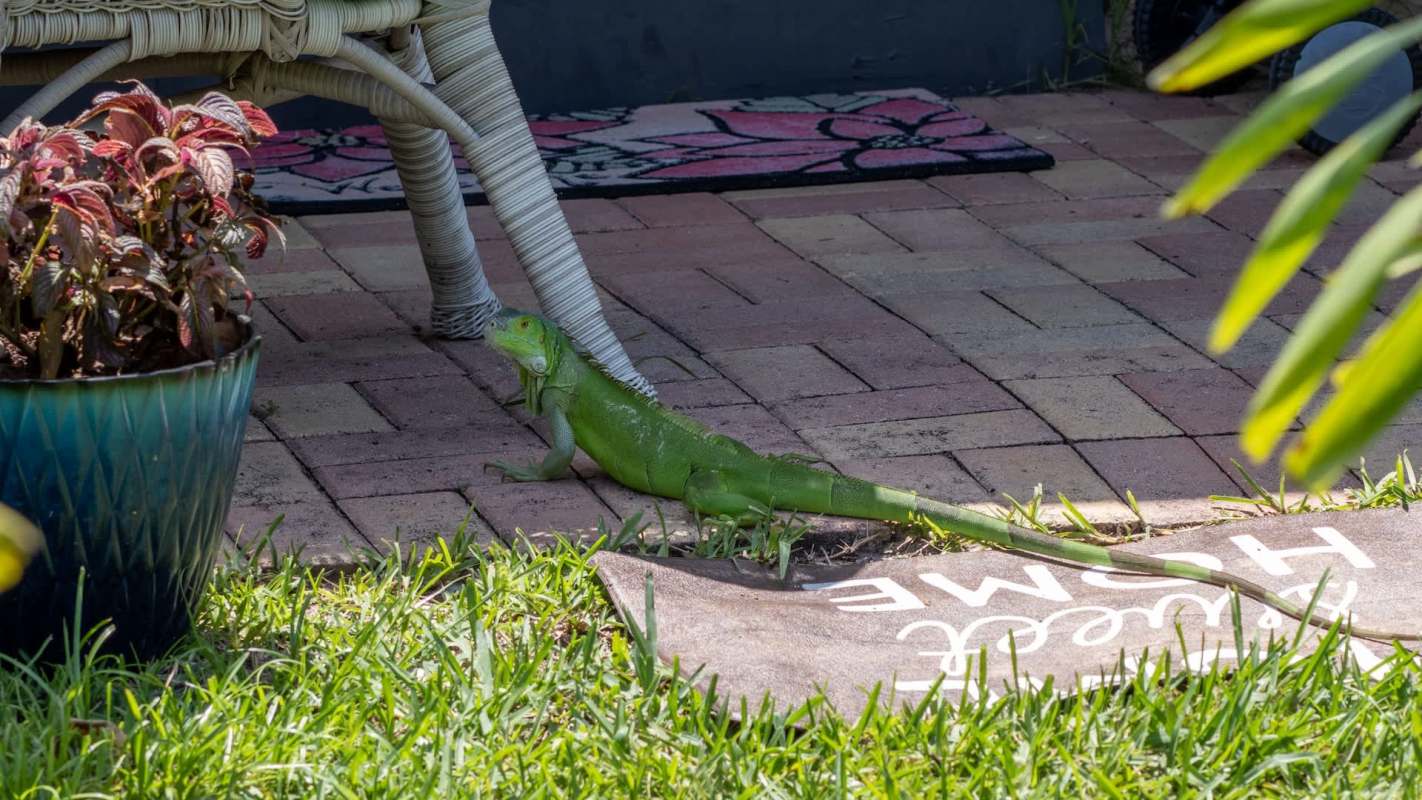
In Florida, a recent freeze that appeared to knock back invasive iguanas did not bring lasting relief. Within a matter of months, they have resurged, and homeowners are again dealing with major damage to their properties.
For homeowners who thought the worst was over, the rebound is becoming an expensive and frustrating reminder that invasive species can recover quickly.
What's happening?
According to a report from CBS News Miami, South Florida residents are facing a resurgence of iguanas after cold weather killed thousands earlier in the year. Despite that die-off, the lizards have returned and are leaving droppings, eating plants, and burrowing on properties.
Any drop in the population now looks brief rather than lasting. As iguana numbers climb again, trappers are back at work trying to keep the outbreak in check.
That resurgence is especially noticeable in residential areas. The problem is no longer just spotting an unusual backyard animal — it is about protecting homes and avoiding costly repair bills.
Why does it matter?
Iguanas are not native to South Florida, and their presence is tied in part to human activity.
TCD Picks » Quince Spotlight
💡These best-sellers from Quince deliver affordable, sustainable luxury for all




Iguanas became established in Florida after escaping or being released from the exotic pet trade. The state's warm climate allowed them to survive and reproduce in the wild, leading to established populations. Today, they are considered an invasive species that can damage landscaping and infrastructure through burrowing and feeding habits.
Homeowners may be left with costly maintenance and repair bills.
Invasive species can crowd out native wildlife, compete for resources, and disrupt already stressed ecosystems. When people move species outside their natural range, the consequences can linger for years — even after a major weather event briefly cuts their numbers.
What's being done?
Efforts to limit the comeback are already underway, with both residents and professional trappers trying to curb the growing numbers.
Experts who spoke with CBS News Miami recommend removing attractants like fruit and other food sources from yards to discourage unwanted wildlife from lingering or entering residential areas.
People in the comment section of the CBS News Miami report voiced their frustrations over the invasive issue.
"They are dangerous if you ride a bicycle. They run in front of you and can dump you right off the bike. They are everywhere. Can't dispatch them fast enough," one user said.
"Indeed they are back and seemingly more numerous than before," another wrote.

Get TCD's free newsletters for easy tips, smart advice, and a chance to earn $5,000 toward home upgrades. To see more stories like this one, change your Google preferences here.






