


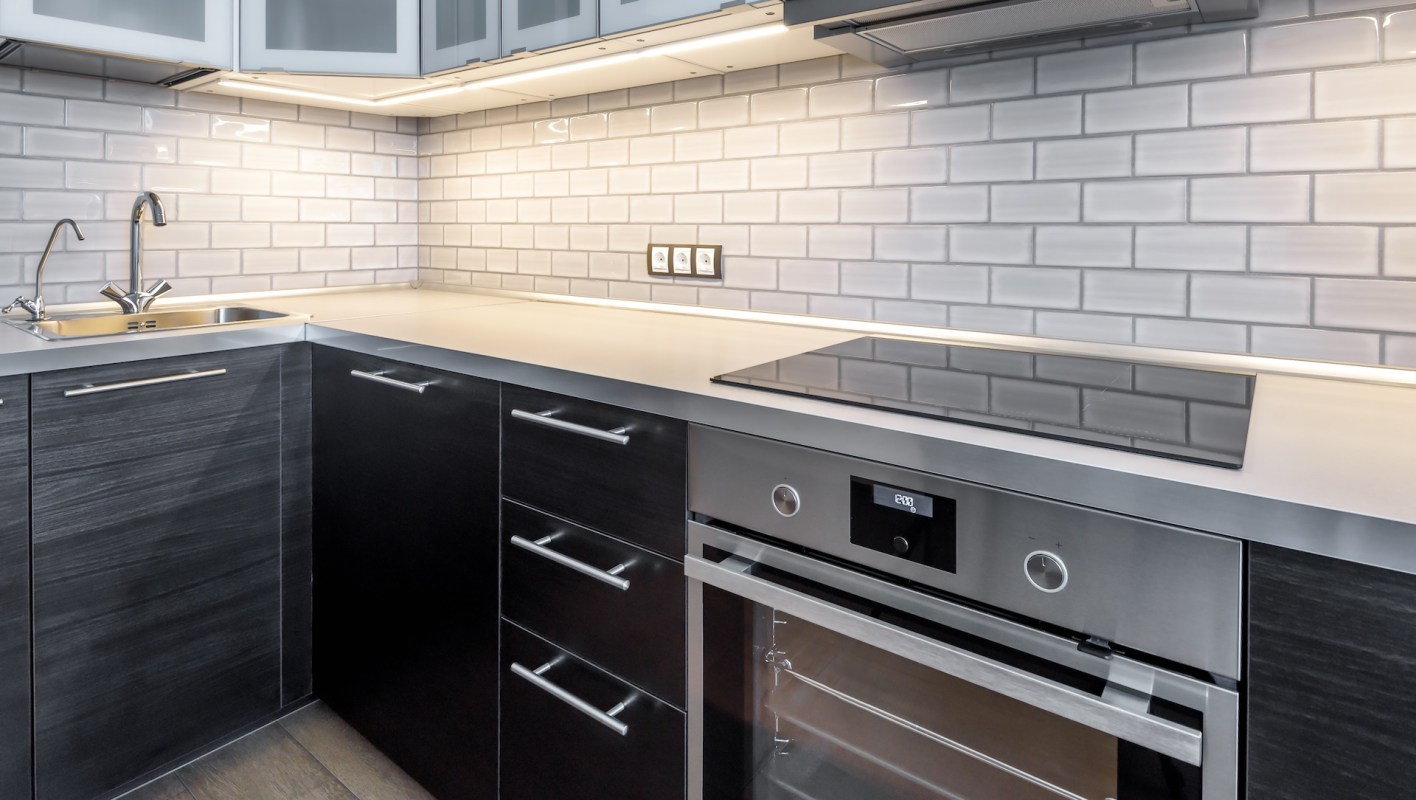
More people are starting to question what gas stoves are really doing to the air inside their homes. From new research on indoor air pollution to growing interest in all-electric living, the shift toward induction cooking is picking up. And a forum post on the website Japan Simple Life gave a firsthand look at why.
The user explained that they replaced their aging gas stove with a compact Iris Ohyama 100-volt induction unit after learning how much gas stoves can worsen indoor air quality.
"Old range was functional, easy to use, etc., but … what alarmed me most about what I read was how 76% of the gas leaked by them was when they were just sitting there, unused," they wrote. "You can probably understand why I'd want to get rid of [it]."
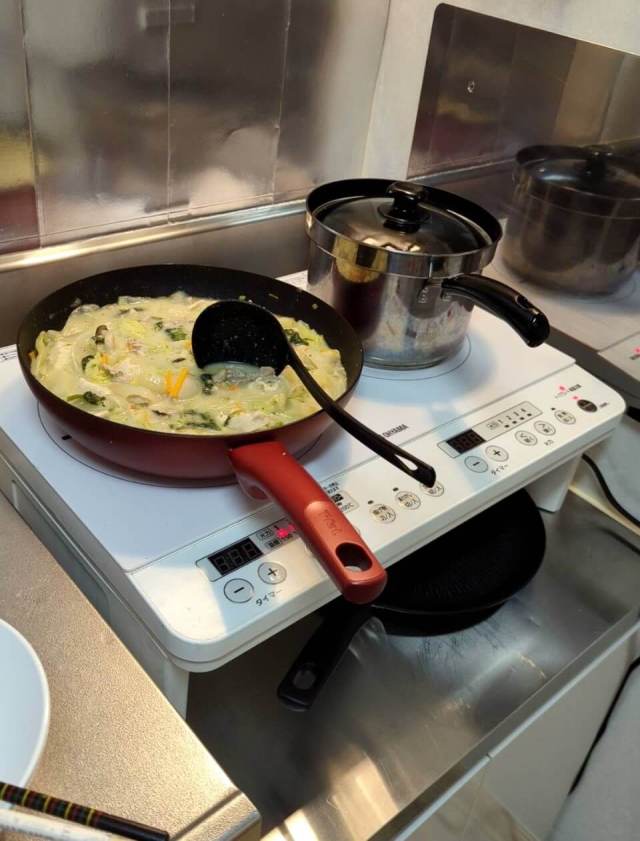
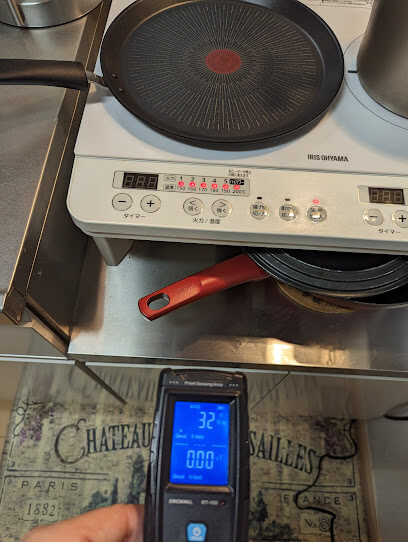
That stat isn't far off. A Stanford University study reported that more than three-quarters of methane emissions from gas stoves occur while the appliance is turned off, due to slow leaks in valves and seals. Even at low levels, those leaks can add up.
TCD Picks » Induction Cooking
💡Discover the induction option that’s just right for your needs and your home



And methane isn't the only concern. Burning gas indoors also releases nitrogen dioxide, carbon monoxide, and other pollutants that can build up quickly in poorly ventilated spaces.
Health researchers have linked those emissions to higher rates of asthma and other respiratory problems, particularly in children. That's why public health experts and clean energy advocates are encouraging the switch to induction, which produces no on-site emissions and keeps kitchens noticeably cleaner and safer.
Other commenters shared their own reasons for switching.
"It heats up fast, has all sorts of special features like bring to boil then stop, timers, shutoff if oil gets too hot or if something boils over, etc.," one user wrote. "Our area is LPG only and they were thieving us blind with the tank exchange … this is so much cheaper on the wallet."
For another, environmental concerns were central. "Going all-electric and off-grid solar (if I ever make it that far) and the environmental impact of gas were as much a part of the decision as anything else," they said.
Save $10,000 on solar panels without even sharing your phone number Want to go solar but not sure who to trust? EnergySage has your back with free and transparent quotes from fully vetted providers in your area. To get started, just answer a few questions about your home — no phone number required. Within a day or two, EnergySage will email you the best options for your needs, and their expert advisers can help you compare quotes and pick a winner. Solar panels can save you more than $50k over their 25-year lifespan, and EnergySage can help you save as much as $10k on installation. Which begs the question — isn't that worth an email or two? |

Induction stoves aren't just cleaner, they're faster, safer, and more cost-effective than gas or traditional electric models. Because they use electromagnetic heat, they transfer energy directly to the cookware, making them one of the most efficient cooking technologies and reducing household emissions.
|
Do you worry about the quality of the air inside your home?
Click your choice to see results and speak your mind. |
 Yes — often 😬
 For anyone looking to make the switch, now is the time to do it. Homeowners can get up to $840 off a new induction range through the Inflation Reduction Act, which offers federal rebates for energy-efficient appliances. But many of these tax credits and incentives are set to expire after 2025, so upgrading sooner could mean significant savings. For renters or those with smaller spaces, plug-in induction burners start at just $50.

Join our free newsletter for easy tips to save more and waste less, and don't miss this cool list of easy ways to help yourself while helping the planet.
Cool Picks






