


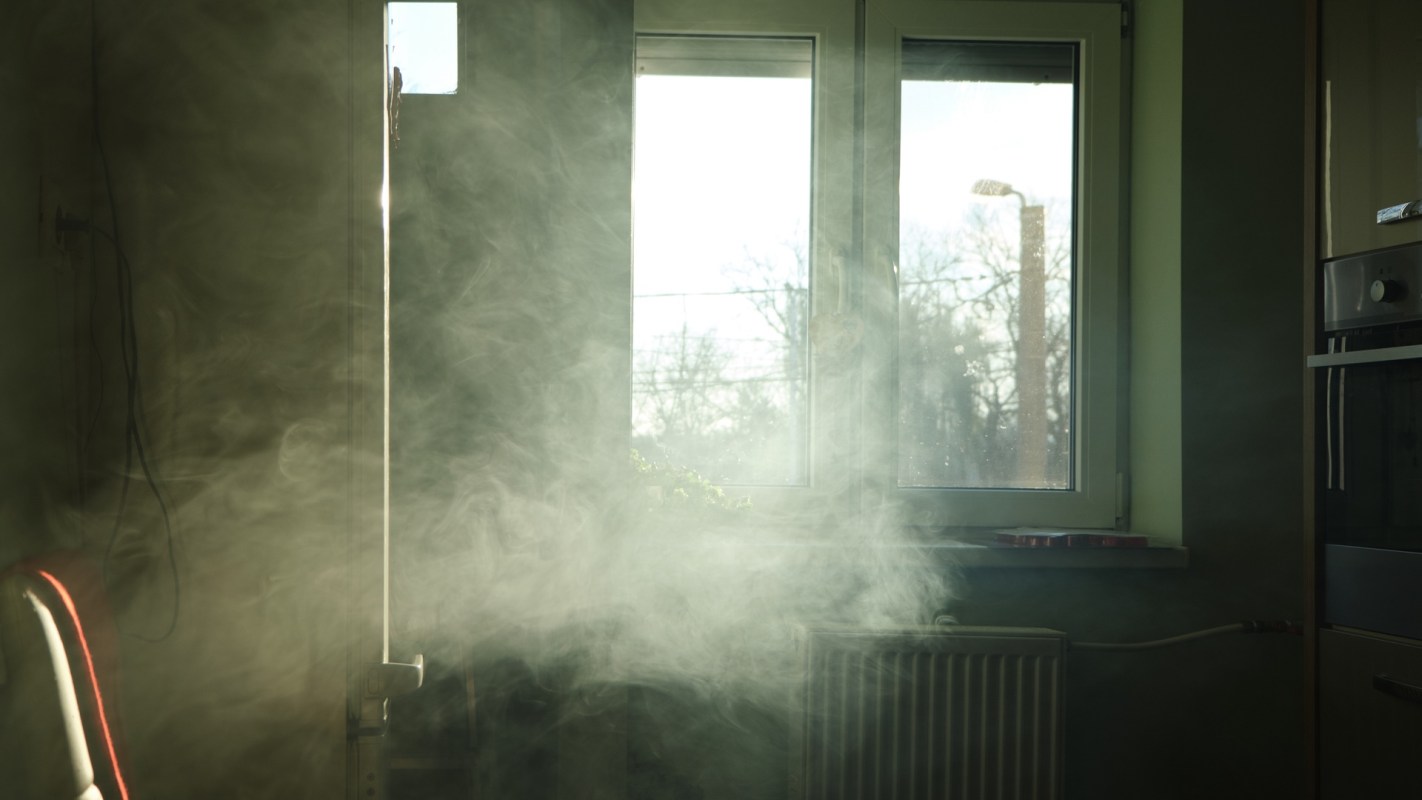
Indoor air pollution is a major contributor to premature deaths around the globe and across income brackets, new research has concluded.
What's happening?
The scientists analyzed air pollution-related mortality risks across 150 countries and summarized their findings in The Conversation.
"We have found that air pollution, including exposure inside homes, contributes substantially to premature death worldwide," they stated. "Exposure levels and sources vary widely, but indoor air pollution consistently adds to national mortality risk across income levels."
Their research also showed what they called a "clear and consistent pattern" when it comes to the dangers of air pollution: Countries with greater access to clean home energy, along with stronger health systems, face much lower mortality risk. Meanwhile, "larger rural populations and limited household energy access increases such risk."
TCD Picks » Induction Cooking
💡Discover the induction option that’s just right for your needs and your home



Why is this study important?
This study provides additional context on what scientists already know about the health impacts of indoor and outdoor air pollution.
For instance, gas stoves have been the focus of recent studies, as they can pollute homes with dangerous levels of nitrogen dioxide. In fact, one TikToker measured nitrogen dioxide levels in his home after using his gas stove and found that they exceeded World Health Organization guidelines.
Inhaling nitrogen dioxide can lead to health issues such as coughing and wheezing, lung inflammation, and an increased risk of asthma attacks, per the American Lung Association. A recent study found that these fumes are particularly harmful to people living in homes that are smaller than 800 square feet.
Other indoor pollutants that can be expelled through cooking include carbon monoxide, volatile organic compounds, and particulate matter.
Save $10,000 on solar panels without even sharing your phone number Want to go solar but not sure who to trust? EnergySage has your back with free and transparent quotes from fully vetted providers in your area. To get started, just answer a few questions about your home — no phone number required. Within a day or two, EnergySage will email you the best options for your needs, and their expert advisers can help you compare quotes and pick a winner. Solar panels can save you more than $50k over their 25-year lifespan, and EnergySage can help you save as much as $10k on installation. Which begs the question — isn't that worth an email or two? |

What can be done about indoor air quality?
The authors stated that simple actions such as using extractor fans when cooking, ventilating homes regularly, and ensuring heating appliances are properly maintained can lower exposure in places like the United Kingdom.
"On the other hand, reducing indoor air pollution in developing countries requires access to clean cooking fuels and technology, rural electrification, and greater health care expenditure," they added.
|
What's the most you'd pay per month to put solar panels on your roof if there was no down payment?
Click your choice to see results and speak your mind. |
 $200 or more 💰
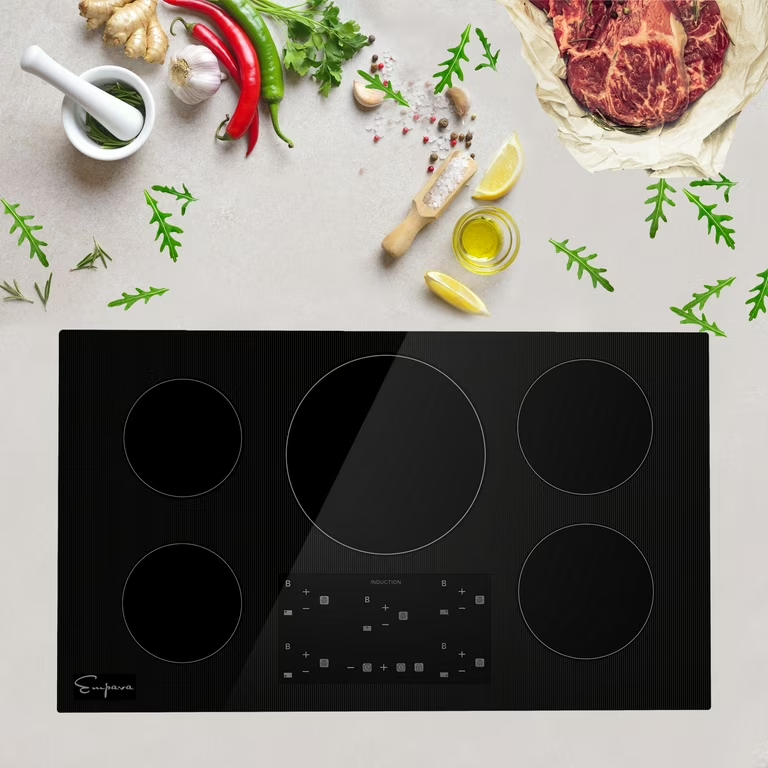
 Another way to decrease indoor air pollution is by opting for cleaner cooking tools, such as an induction stove. Induction cooktops rely on electricity to directly heat cookware and do not emit the same pollutants as a gas stove. Some U.S. states even offer up to $840 off the cost of an induction range thanks to government incentives.
In addition to their health benefits, induction stoves cook faster and, because they're more efficient, can save money on energy costs.
Plug-in induction burners are another excellent option, especially for renters or people who can't afford a major kitchen renovation. These devices start at around $50 and offer the same health benefits as induction ranges.

Get TCD's free newsletters for easy tips to save more, waste less, and make smarter choices — and earn up to $5,000 toward clean upgrades in TCD's exclusive Rewards Club.
Cool Picks




