


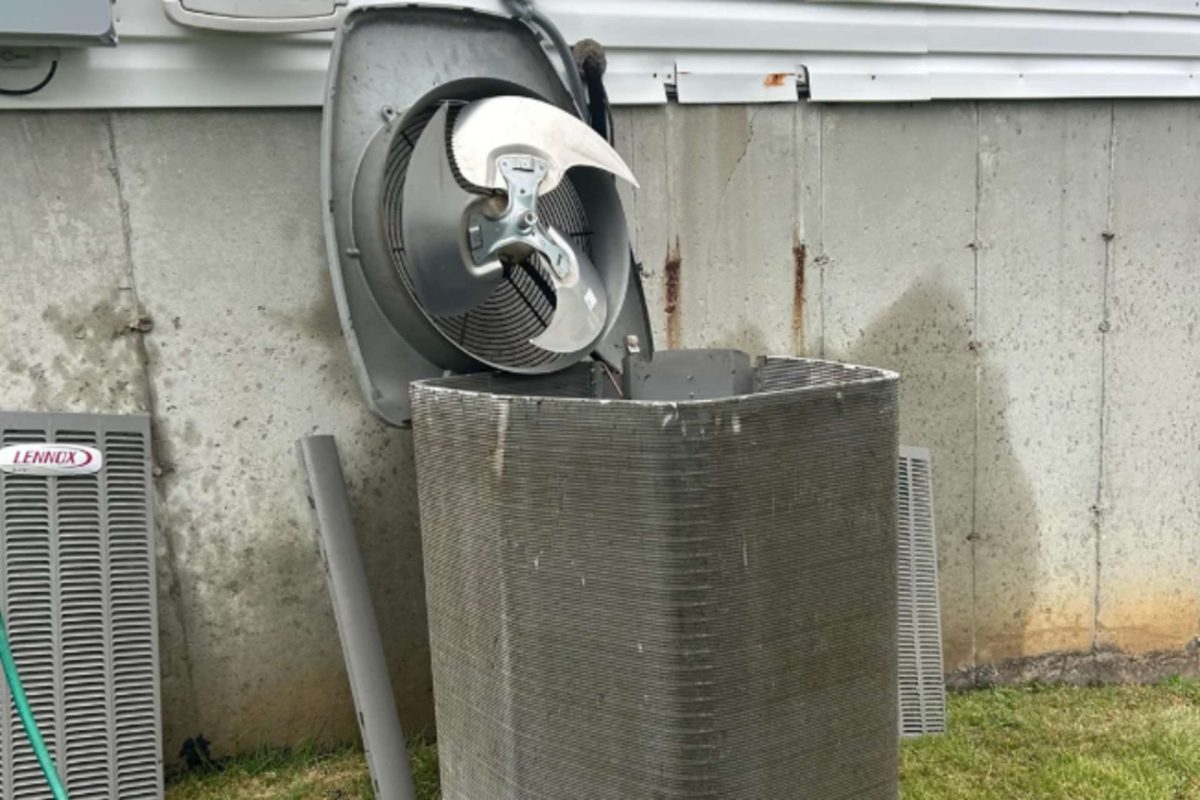
A rust issue on one homeowner's HVAC setup led to a bigger discovery after they passed on a $280 cleaning estimate and took a closer look themselves.
What happened?
The story came from a Reddit post, where the homeowner said they had been quoted $280 for HVAC cleaning and decided to do the maintenance on their own.
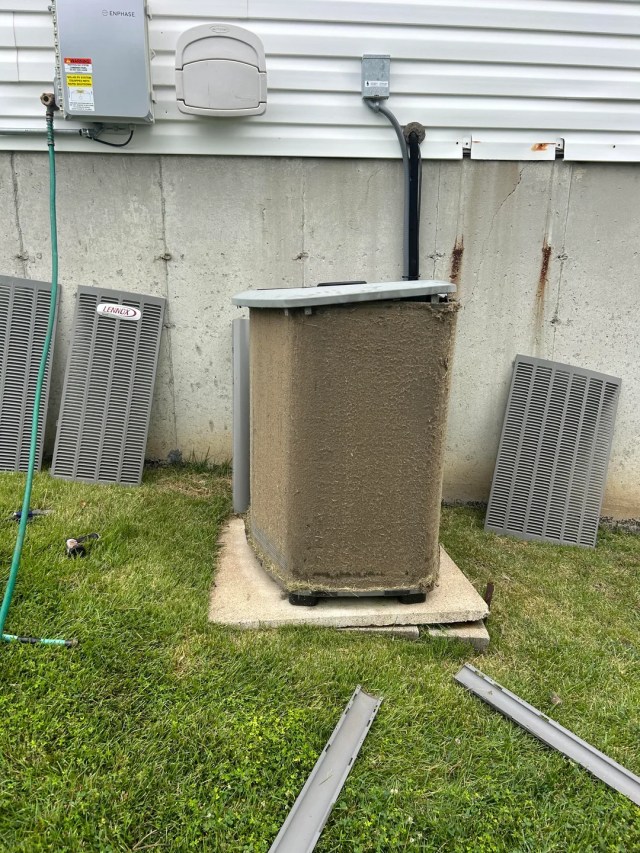
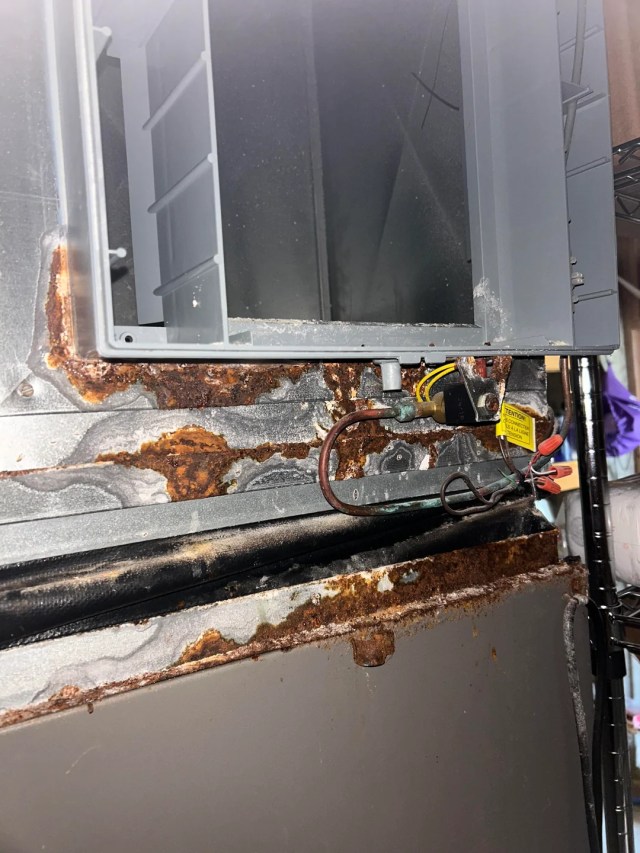
Instead of stopping at a surface cleanup, they worked through several basic tasks, including replacing the humidifier pad, flushing the drain lines with vinegar, and washing the outdoor coil.
That hands-on inspection led to the likely cause of the rust: sediment blocking the humidifier drain. The discovery pointed to a moisture-related issue, not just a dirty system, and suggested a standard cleaning visit might not have told the whole story.
And if your system is older or struggling, upgrading your heating and cooling system is one of the best ways to save money on utility bills and protect yourself against rising energy prices. If you want to explore bigger upgrades, EnergySage's heat pump marketplace can help you understand your HVAC options, find efficient heating and cooling solutions for your home, and connect you with trusted installers.
Why does it matter?
Home heating and cooling can account for a large share of household energy use, which means small maintenance problems often have financial consequences beyond the repair itself.
When drain lines clog, coils get dirty, or humidifier parts are ignored, the result can be lower efficiency, more wear on the equipment, extra moisture, and higher energy costs.
Here, the homeowner both avoided the $280 cleaning fee and found the likely reason for the rust before it turned into a pricier problem.
Crushed by your bills? See instant solar savings from vetted installers in just a few clicks With energy prices through the roof, there's never been a better time to go solar — and EasyHome can help you find the best prices from the best installers in your area. EasyHome takes the guesswork and headaches out of energy upgrades by showing you estimated savings from a network of vetted local partners. To get started, just enter your ZIP and share a few details about your home — seeing your estimate is really that easy. |

That does not mean every HVAC issue should turn into a DIY project. Anything involving electrical work, refrigerant, or major system failures is still best left to a trained professional.
For homeowners who are comfortable with the basic upkeep listed in an owner's manual, routine maintenance can reveal issues early and help the system operate more efficiently.
What can I do?
If you want to reduce heating and cooling expenses, begin with straightforward maintenance: change filters when recommended, keep the outdoor unit clear of debris, and check drain lines and humidifier parts if your system has them.
Even modest upkeep can help you avoid preventable problems and cut wasted energy.
If your current system is aging, inefficient, or driving up bills, it may be worth looking beyond maintenance alone. EnergySage can help you compare efficient HVAC options.
If you're not ready or able to foot the upfront costs, Palmetto offers a $0-down HVAC leasing program that can lower your energy costs by up to half. Leases start as low as $99/month and come with 12 years of free maintenance.
At a lower price point, Merino's single-room ultra-efficient HVACs — targeted heating and cooling systems — can be an option and installed in less than an hour. And if you want to push your costs down even further, homeowners can pair solar panels with electric appliances, like efficient HVACs, to drive utility costs even lower. EnergySage keeps it simple for you by making it easy to find the best solar system and installer for your home and budget, saving you up to $10,000 on installations.
For the OP, what started as "much needed TLC" ended with a practical lesson: A careful inspection can sometimes uncover the real issue while saving hundreds of dollars.

Get TCD's free newsletters for easy tips, smart advice, and a chance to earn $5,000 toward home upgrades. To see more stories like this one, change your Google preferences here.






