This season, permaculture expert Huw Richards is giving more space to crops that do double duty. His emphasis is on "edimentals," or edible plants that also contribute the kind of color, texture, and shape often associated with ornamental beds.
Instead of treating vegetables as something that belongs only in a designated patch, the idea is to grow food attractive enough to be woven into the wider garden.
What's happening?
In a recent YouTube video, gardening content creator Huw Richards (@HuwRichards) said he is choosing more edible ornamentals this year, with both appearance and harvest guiding his decisions.
He also refers to his forthcoming "Edimentals" book as the video follows him through the garden, where he is planting, carrying fresh apricots, and noting a potato that came up on its own.
His argument is that a plant can look at home in an ornamental setting and still provide a worthwhile crop, making the separation between decorative beds and food-growing areas less fixed.
"So, it's kind of blending the wild but still edible with the very much edible-focused crops. The technique of this style of gardening, combining like the ornamental values of plants with the edible, is called edible gardening," he says. "And that's what I'm kind of applying to this garden here. And it just brings so much joy to this space."
TCD Picks » Quince Spotlight
💡These best-sellers from Quince deliver affordable, sustainable luxury for all




Richards also talks through how he places plants, including which ones look good together, how they can settle into beds that already exist, and how the space can stay inviting while still producing plenty to eat.
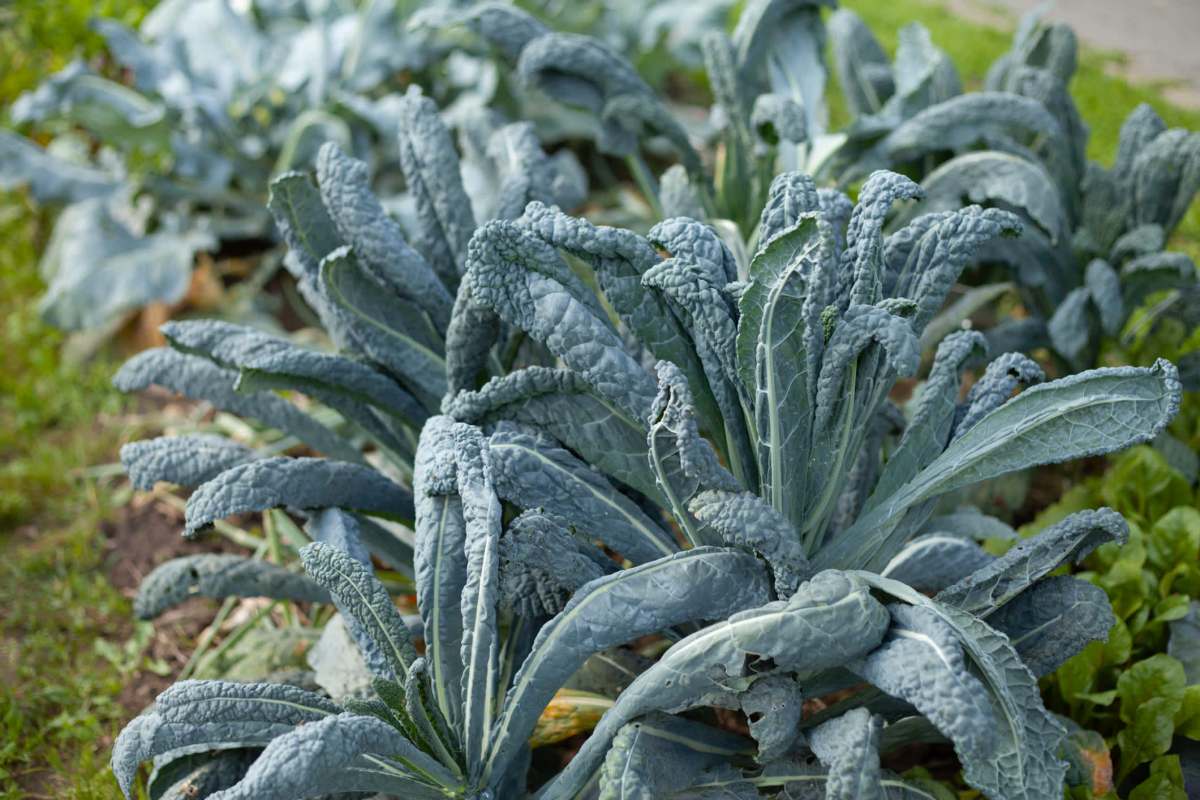
Examples he gave that appear in his garden included courgette plants (squash), dwarf sunflower, foxtail amaranth, cavolo nero (aka lacinato kale), scarlet kale, and peas.
Why does it matter?
Many people assume growing food requires a large, highly structured vegetable plot.
Richards' "edimentals" mindset suggests the opposite: Even decorative spaces can help supply herbs, fruits, and vegetables.
Growing food at home can cut grocery bills, especially for produce that is expensive to buy fresh and organic. It can also mean better flavor, since homegrown food is often picked at peak ripeness rather than shipped long distances.
Gardening can offer health benefits beyond the harvest as well.
Time spent planting, watering, and weeding can support mental well-being, while the physical work adds light exercise to a daily routine.
And when more edible plants are mixed into home landscapes, those spaces can become more biodiverse and less dependent on purely ornamental, resource-intensive plantings.
An attractive garden can also be a practical one, a combination that may be especially appealing at a time when many households are looking for ways to save money and make better use of outdoor space.
What can I do?
You do not need to redesign your whole yard to try this.
Start small by mixing edible plants with ornamental appeal into existing beds, borders, or containers.
It also helps to think in combinations, not categories.
Instead of separating flowers from crops, look for plants that complement each other in height, leaf shape, and color while still fitting your climate and available space.
Gardeners can also reduce maintenance and keep their spaces healthier by learning more about controlling pests and weeds without chemicals.
Richards' volunteer potato is also a useful reminder: Sometimes the garden will do part of the work for you.
Paying attention to what thrives naturally can help shape a lower-stress, more resilient growing space over time.
Richards' interest in "edimentals" fits a broader home-gardening idea that beauty and practicality do not have to compete.
When edible crops are worked into the overall design instead of being kept apart from it, the result can be a space that looks better, tastes better, and serves more purposes.

Get TCD's free newsletters for easy tips, smart advice, and a chance to earn $5,000 toward home upgrades. To see more stories like this one, change your Google preferences here.