


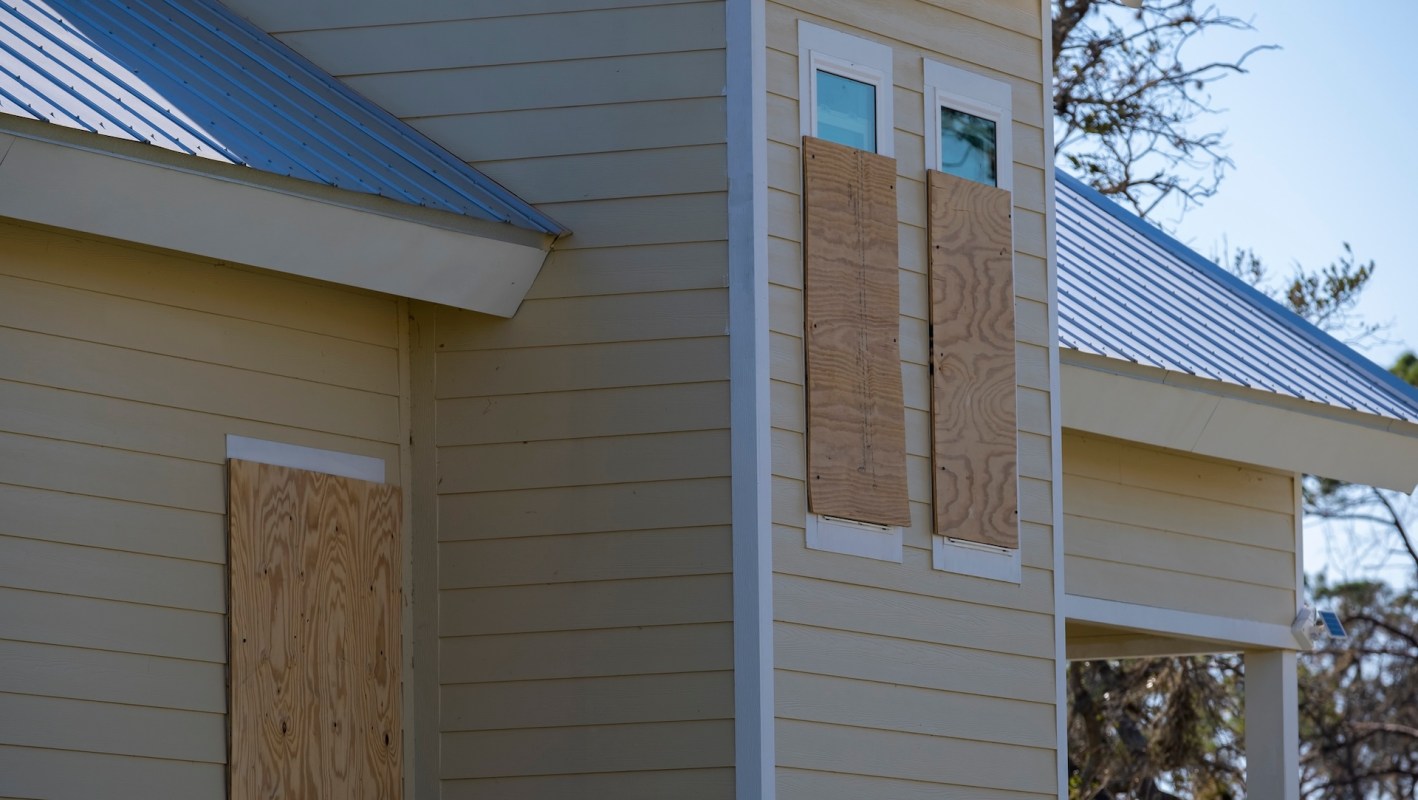
Storm prep gets pricier and harder when it's postponed until a hurricane is clearly aimed at you.
In Florida, what could have been a routine set of preparations can quickly become a frantic search for gas, food, batteries, and a safe plan.
Here's what to know
A quieter-than-usual forecast for the 2026 Atlantic hurricane season is not a reason for Florida residents to relax. As Florida Today reported, three preparation problems keep surfacing: delaying action until Florida is in the forecast cone, downplaying flood risk, and overlooking the possibility of a long power outage.
That delay is one of the costliest errors people make. Once the National Hurricane Center has begun issuing advisories and forecast graphics, the prime time for getting ready has mostly passed. Families should be finishing their final tasks then, not starting from zero while everyone else is scrambling for supplies.
Even with a milder seasonal outlook, Colorado State University forecasters still identified Florida as the most likely state among those they assessed to be affected by storms in 2026. The official Atlantic hurricane season still runs from June 1 through November 30.
More background
Water is often what makes hurricanes so deadly, not just category or wind speed.
TCD Picks » Quince Spotlight
💡These best-sellers from Quince deliver affordable, sustainable luxury for all




"Water hazards — storm surge and inland flooding — have historically been the leading causes of loss of life during hurricanes," The National Oceanic and Atmospheric Administration said, per Florida Today.
Serious flooding can threaten areas far from a storm's center and well outside the cone that draws the most attention on TV and social media. That means both homeowners and renters need to know their evacuation zones and whether their property faces risks from storm surge, heavy rain, or both.
Another danger people often underestimate is how disruptive a prolonged outage can be. In Florida's heat and humidity, going days without air conditioning, refrigeration, internet access, functioning gas pumps, or open pharmacies can quickly become a serious problem.
The Centers for Disease Control and Prevention and the National Weather Service consider extreme heat one of the top weather-related killers in the United States, with about 1,200 to more than 1,700 deaths reported annually.
What can be done?
The key is to get ready before a named storm becomes an immediate local concern. Assemble an emergency kit early, keep a week's worth of medications, save insurance information digitally, and check your home for loose gutters, dead tree limbs, or missing shingles that could become dangerous debris.
Flood preparation needs its own separate plan. Photograph each room for insurance purposes, and place passports, birth certificates, deeds, vehicle titles, and medical records in waterproof storage. You should also check whether you have flood insurance and what the policy covers.
Planning for outages should go further than stockpiling bottled water and canned food. Keep phones and spare batteries charged, set aside cash, freeze water in containers to help freezers stay cold longer, and make plans for pets, seniors, babies, pregnant family members, and anyone with chronic health conditions. Battery-powered fans and a safely operated generator can also make a huge difference.
As Colorado State University said in its August 5 update, "As with all hurricane seasons, coastal residents are reminded that it only takes one hurricane making landfall to make it an active season. Thorough preparations should be made every season, regardless of predicted activity."

Get TCD's free newsletters for easy tips, smart advice, and a chance to earn $5,000 toward home upgrades. To see more stories like this one, change your Google preferences here.






