


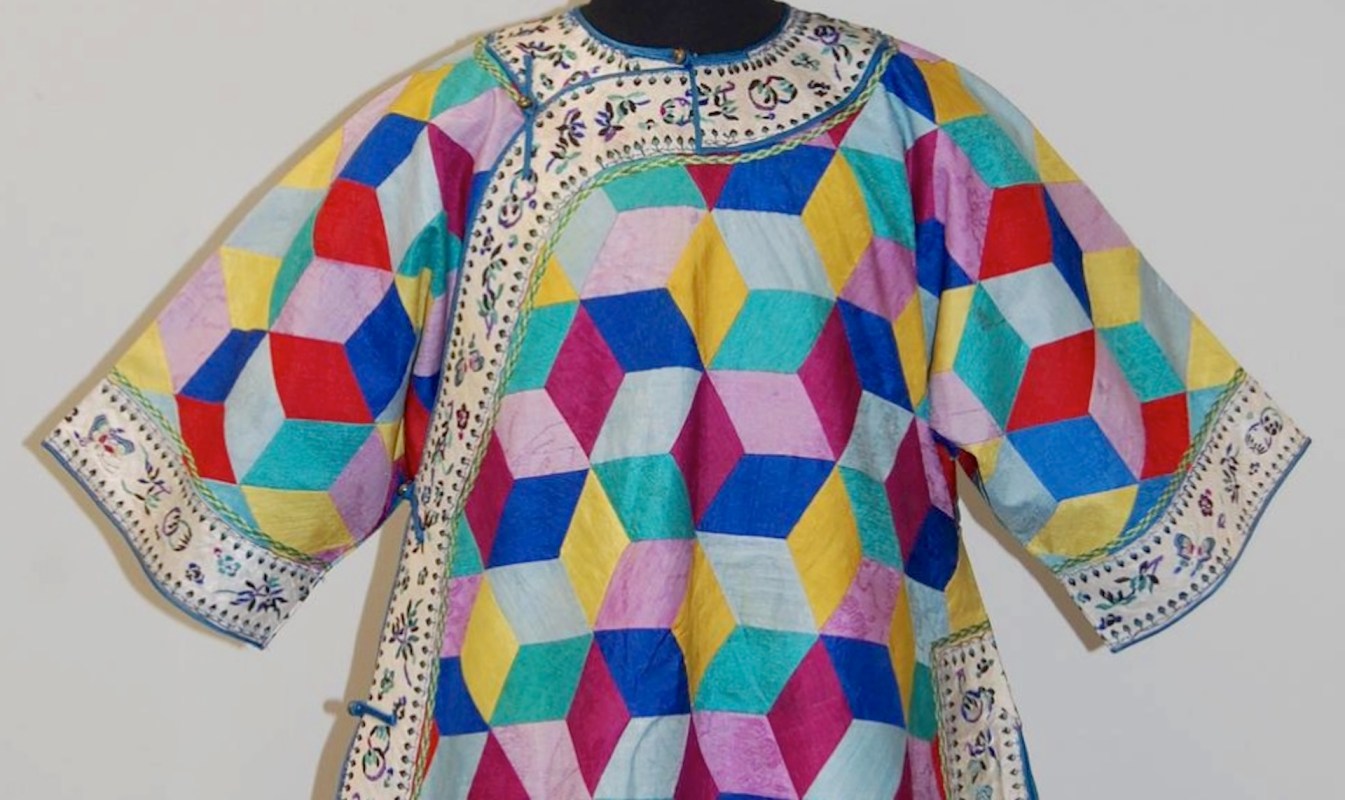
An online post is introducing new admirers to a Qing dynasty-era clothing tradition centered on a robe assembled from fabric pieces donated by people across a village.
What happened?
The Reddit post focuses on a patchwork garment created from small cloth contributions gathered from multiple families.
In the post, the original poster explained, "This was a practice from 19th-century Qing dynasty China where members of a village would each donate a patch of material for the creation of clothing for a newly born child."
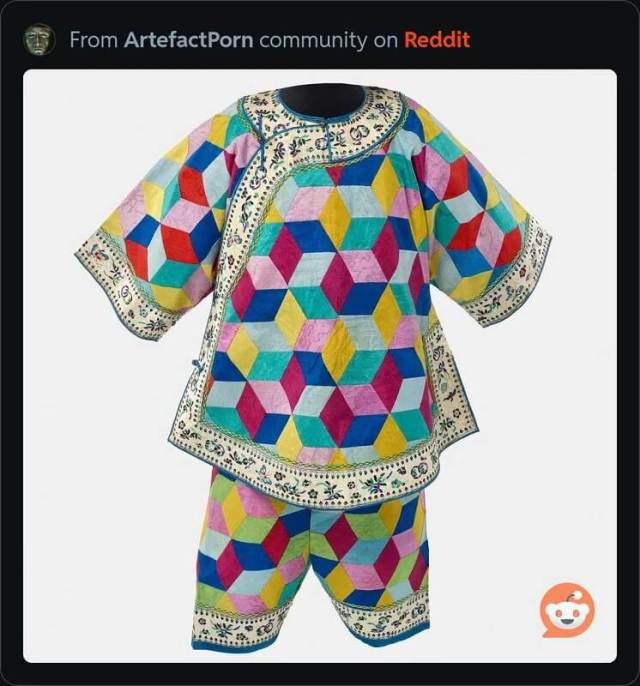
"It's a nice example of how a practice of showing love through giving doesn't have to be wasteful and that frugality can exist alongside community building in this very beautiful way," the OP further explained.
Rather than tying generosity to the purchase of brand-new items, the tradition presents gift-giving as something shared and practical.
Why does it matter?
Baby clothes, blankets, and nursery items are often used only for a short period of time, which can make buying everything new both costly and inefficient.
TCD Picks » Quince Spotlight
💡These best-sellers from Quince deliver affordable, sustainable luxury for all




A community-made gift built from leftover fabric, hand-me-down material, or donated scraps can help lower those costs while creating something far more memorable than another store-bought outfit.
Textiles are also resource-intensive to produce and often end up discarded long before they are fully worn out.
Beyond the savings, there is also a social benefit to the tradition. Shared making can strengthen ties among relatives, friends, and neighbors.
What are people saying?
Commenters found the tradition admirable and kind.
"That's so sweet and wholesome," said one. "It takes the meaning to giving someone the clothes off your back to a new level."
Another commenter pointed to a similar custom in their own family: "My grandma came from a region that made 'hundred-household blankets,' and she in turn made one for each of her grandchildren."
"I love this so freaking much! Thanks for posting," added another.

Get TCD's free newsletters for easy tips, smart advice, and a chance to earn $5,000 toward home upgrades. To see more stories like this one, change your Google preferences here.






