


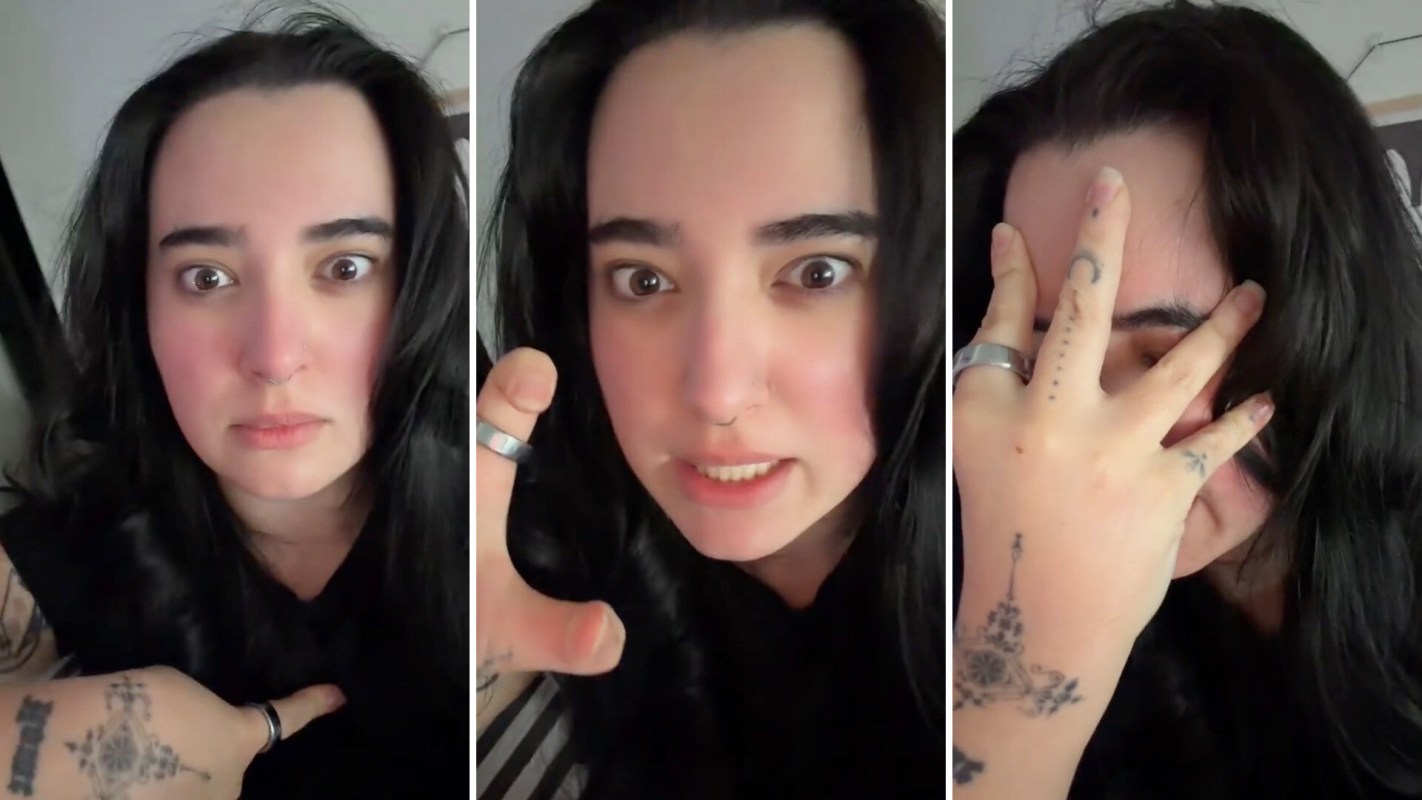
The subscription economy has reached one of the most basic household tasks: printing at home. In a viral TikTok video, a frustrated printer owner claimed that a company effectively shut down her device, sparking outrage among viewers.
"I just tried to print something from my printer, that I own … and I can't print without a subscription plan," Jackie (@JackieSevna) said in the video, with clear and understandable frustration.
@jackiesevna WHAT IS HAPPENNING @HP #printer #printing #fyp #foryoupage #subscription ♬ original sound - jackie
She went on to explain that the company "remotely shut off my printer," which was stocked with paper and ink she had bought, until she paid a $7.50 subscription plan fee.
"What is happening @HP," read the video's caption, alerting that the issue lies with an HP product.
The backlash tapped into a broader consumer frustration: growing anger over companies using subscriptions, software, and remote controls to limit how people use items sitting in their homes that they have already paid for.
For consumers, that kind of lock-in can feel like paying twice: once for the product and again for continued access to part of its functionality, or in this case, its only functionality.
TCD Picks » Quince Spotlight
💡These best-sellers from Quince deliver affordable, sustainable luxury for all




It can also create unnecessary waste. When companies make everyday products harder to use, households often end up spending more money and generating more electronic waste. E-waste is one of the fastest-growing global waste streams, with 2022 data from the World Health Organization claiming around 68 million tons produced.
According to Earth.org, once in landfills, it can pose risks to the environment and human health. This is due to toxic materials and heavy metals from the devices, which can leach into soil and water, contaminating them.
Concerns about repair restrictions, software locks, and subscription-based features have grown in recent years as more products become internet-connected and remotely managed.
"Requiring a subscription to use a physical item you bought should be illegal," one user commented on the TikTok video.
"The subscription fatigue is too much," another added.
"Soon I'll have to pay a subscription to go shopping in a grocery store," one more quipped.

Get TCD's free newsletters for easy tips, smart advice, and a chance to earn $5,000 toward home upgrades. To see more stories like this one, change your Google preferences here.






