


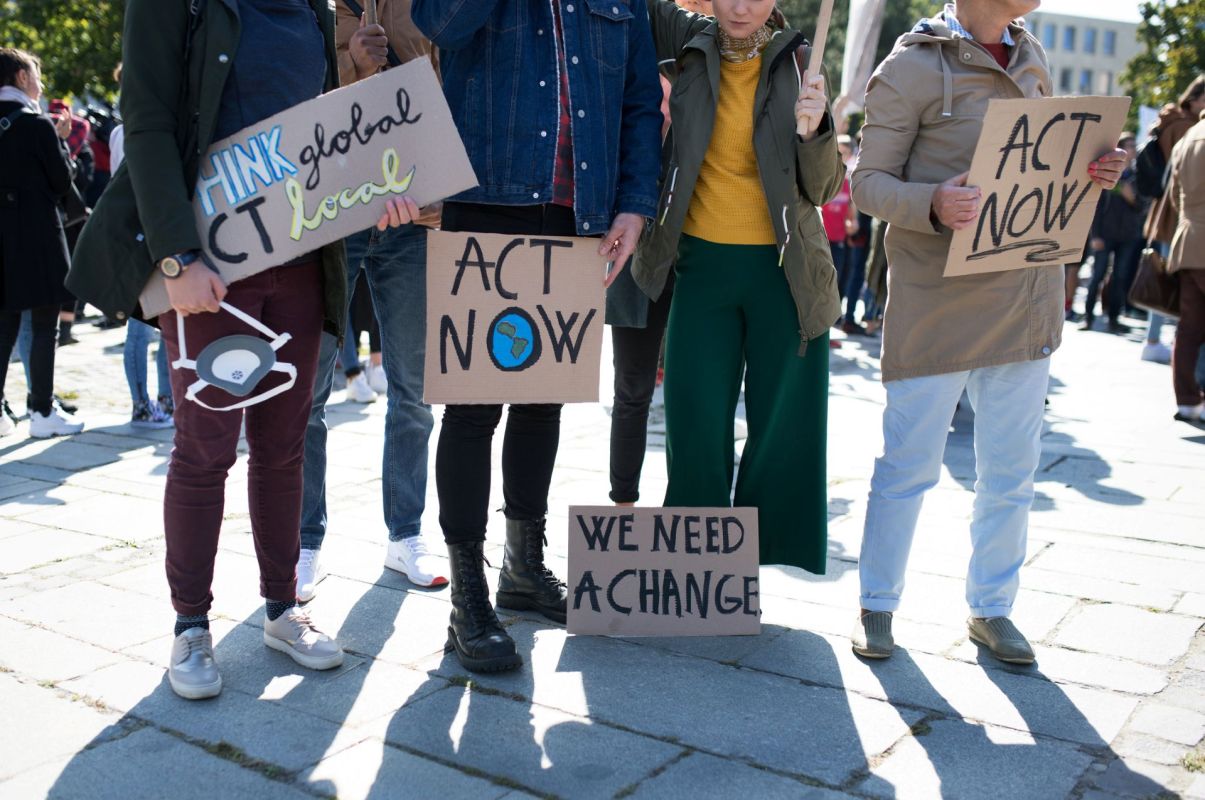
Hope may be a more powerful climate motivator than fear, according to new research.
A study on climate communication found that people exposed to hopeful messages about climate change showed more creative thinking about sustainable action than people who saw fear-based messaging.
What's happening?
Researchers at the University of Nottingham's School of Psychology, led by Professor Alexa Spence, set out to test whether positive emotions could help unlock what they call "climate creativity," as they explained in a press release. That concept refers to the ability to come up with new ways to live more sustainably and respond to environmental challenges.
The team conducted two studies, one with 160 participants and another with 334. They also developed a task in which participants came up with ways to make their lives more sustainable, while completing additional creativity tests, including word association and environmental problem-solving exercises.
In the second study, the researchers used videos meant to bring out either hope or fear about climate change. The hopeful version focused on possible solutions, used cheerful language, and featured uplifting music. The fear-based version questioned solutions and paired more alarming language with darker visuals and downbeat music.
The results, published in the Journal of Environmental Psychology, showed that hopeful climate messaging was linked to higher levels of both general creativity and climate-specific creativity.
"This is the first study of its kind to identify increases in climate creativity as a result of hope communications indicating that hope may be a resource to draw on in promoting problem solving and action on climate change," Spence remarked in the release.
TCD Picks » Quince Spotlight
💡These best-sellers from Quince deliver affordable, sustainable luxury for all




Why does it matter?
Climate communication often leans on guilt, anxiety, or alarm to push people toward action. The study suggests those emotions may not be the best way to help people think through difficult, everyday sustainability challenges.
Many climate-friendly choices require problem-solving. People may need to rethink transportation, home energy use, shopping habits, or food waste in ways that fit their budget, schedule, and local options.
Creativity can make those choices feel more practical and personal. The findings also suggest positive emotions, such as hope, may be more likely to support sustained behavior change rather than just a short-lived reaction.
What's being done?
The research offers a clearer roadmap for climate campaigns, educators, and organizations trying to encourage sustainable behavior. Instead of relying mainly on doom-heavy warnings, they may be able to get better results by pairing climate information with workable solutions and a sense of possibility.
Hopeful communication may help people brainstorm alternatives rather than shut down when they face barriers to change, such as cost, convenience, or uncertainty about what steps to take.
The study does not suggest optimism alone solves climate change. But it does indicate that hope can be a practical tool for turning concern into ideas — and ideas into action.
"Our research implies that for campaigns encouraging behaviors that are particularly difficult, where people may encounter barriers they need to overcome, positive communications that inspire creativity may be beneficial in promoting action," Spence concluded in the release.

Get TCD's free newsletters for easy tips, smart advice, and a chance to earn $5,000 toward home upgrades. To see more stories like this one, change your Google preferences here.






