


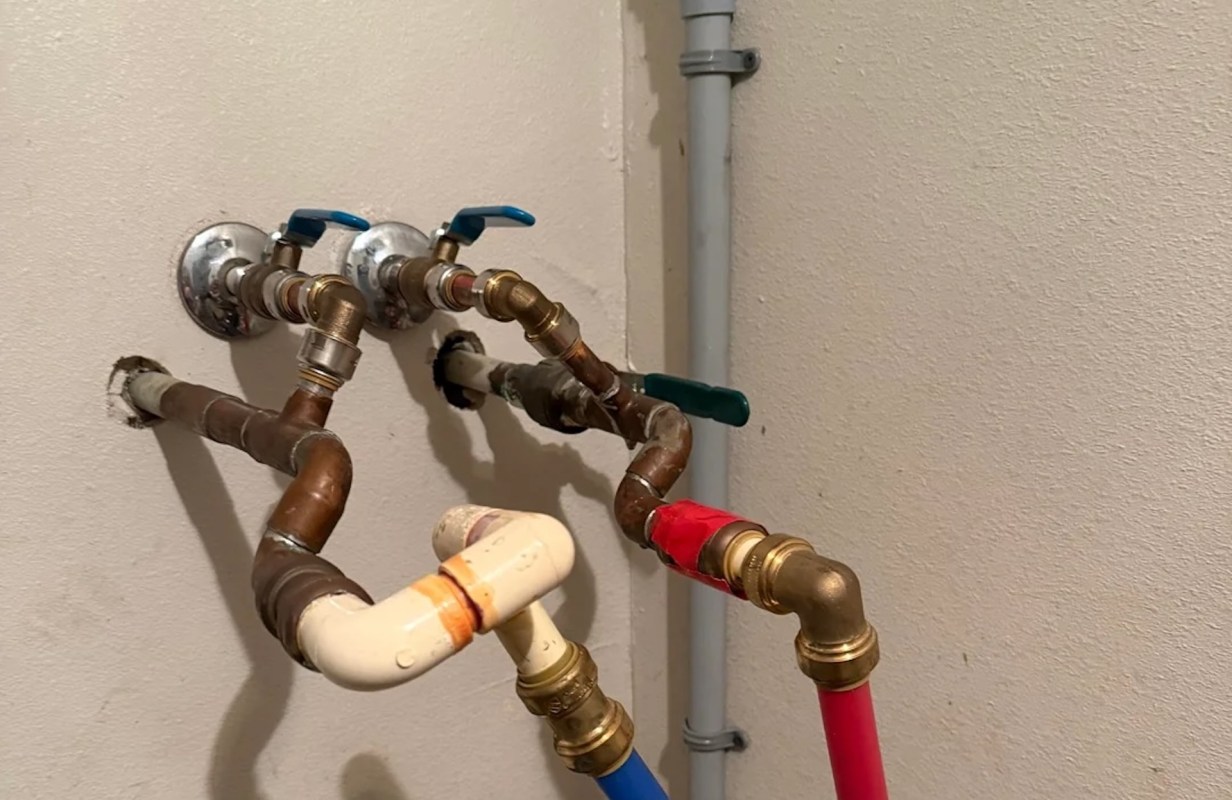
Mystery plumbing behind one home's water heater turned out to be more than an odd-looking loop: Even after the homeowner closed every visible valve, water still kept reaching the faucets.
That kind of setup can be more than confusing. It can also make repairs more difficult, increase the risk of leaks, and leave homeowners paying more than necessary when aging equipment finally needs to be replaced.
Here's what to know
On Reddit, the homeowner posted a photo of red and blue lines disappearing through the wall near a water heater and asked, "Why does the loop back exist and not just a straight tee coming out of the wall?"
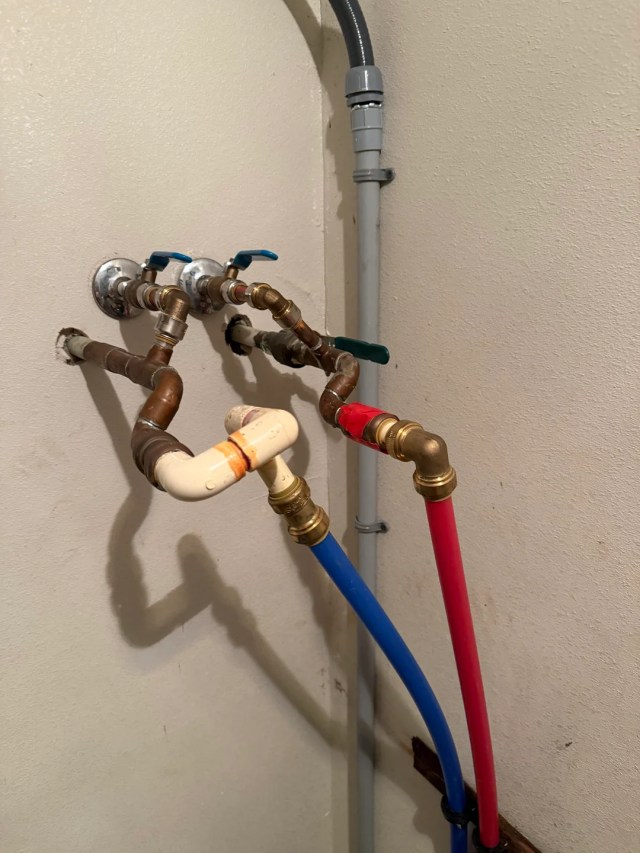
The reaction from other users was not reassuring. As one commenter put it, "That's bad. It may be worth your time and money to pay a good plumber to clean all that up." The confusion only grew when the poster said the exposed shutoff valves did not actually stop water to the house.
For homeowners dealing with an old or poorly modified water heater setup, an upgrade to a heat pump water heater can sometimes lower utility costs while also simplifying the plumbing.
More background
Much of the discussion centered on how the piping may have changed over time. One commenter speculated that the three-quarter-inch water heater lines were probably part of the original installation, with extra pipes later run through the wall to supply another fixture or a unit that had been moved.
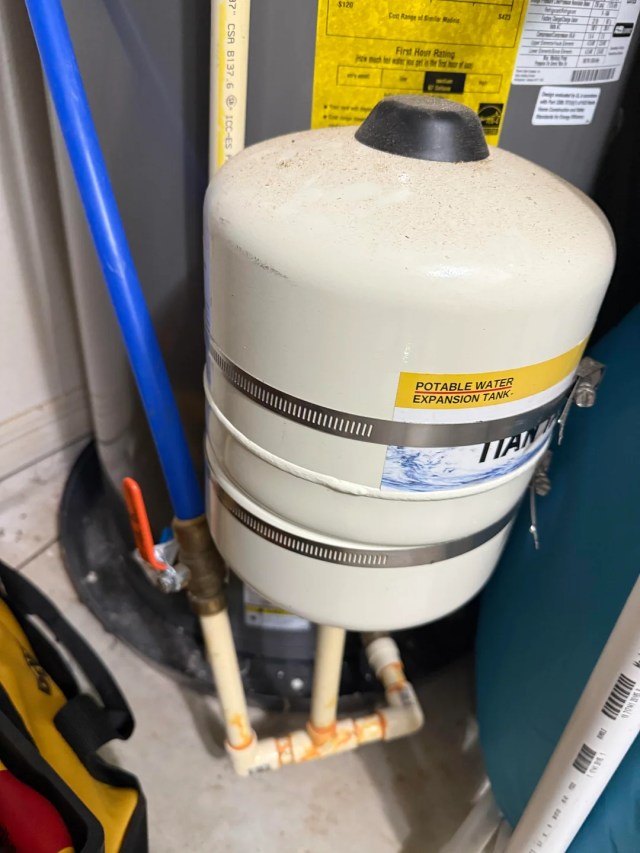
The OP clarified where the other lines went, writing that "the lines go down to a water heater that was moved from upstairs HVAC closet to the garage." That would help explain why the piping appears to double back instead of taking a cleaner, more direct path.
Improvised plumbing changes can create real headaches. If shutoff valves are mislabeled, obsolete, or no longer control what homeowners expect, even simple maintenance can become expensive and stressful.
Save $10,000 on solar panels without even sharing your phone number Want to go solar but not sure who to trust? EnergySage has your back with free and transparent quotes from fully vetted providers in your area. To get started, just answer a few questions about your home — no phone number required. Within a day or two, EnergySage will email you the best options for your needs, and their expert advisers can help you compare quotes and pick a winner. Solar panels can save you more than $50k over their 25-year lifespan, and EnergySage can help you save as much as $10k on installation. Which begs the question — isn't that worth an email or two? |

In some cases, older layouts can also make hidden inefficiencies harder to spot, especially when a water heater is nearing the end of its life.
What can be done?
The most immediate fix is usually a professional inspection. A licensed plumber can trace each line, identify which valves still work, and determine whether the home has abandoned plumbing, a relocated heater, or a branch feeding fixtures elsewhere.
If a replacement is already on the table, homeowners may also want to compare newer high-efficiency options such as Cala.
For households staring at a messy utility closet or garage corner, the best move may be to pair a plumbing cleanup with a smarter appliance upgrade. That can mean fewer surprises during repairs, more reliable hot water, and lower monthly bills.
Homeowners weighing that kind of switch can start by learning what features and savings may be available through Cala.
Another commenter made the case for professional help, writing, "That would be money well spent on many levels. Appearance, functionality, [peace] of mind, etc."

Get TCD's free newsletters for easy tips, smart advice, and a chance to earn $5,000 toward home upgrades. To see more stories like this one, change your Google preferences here.






