


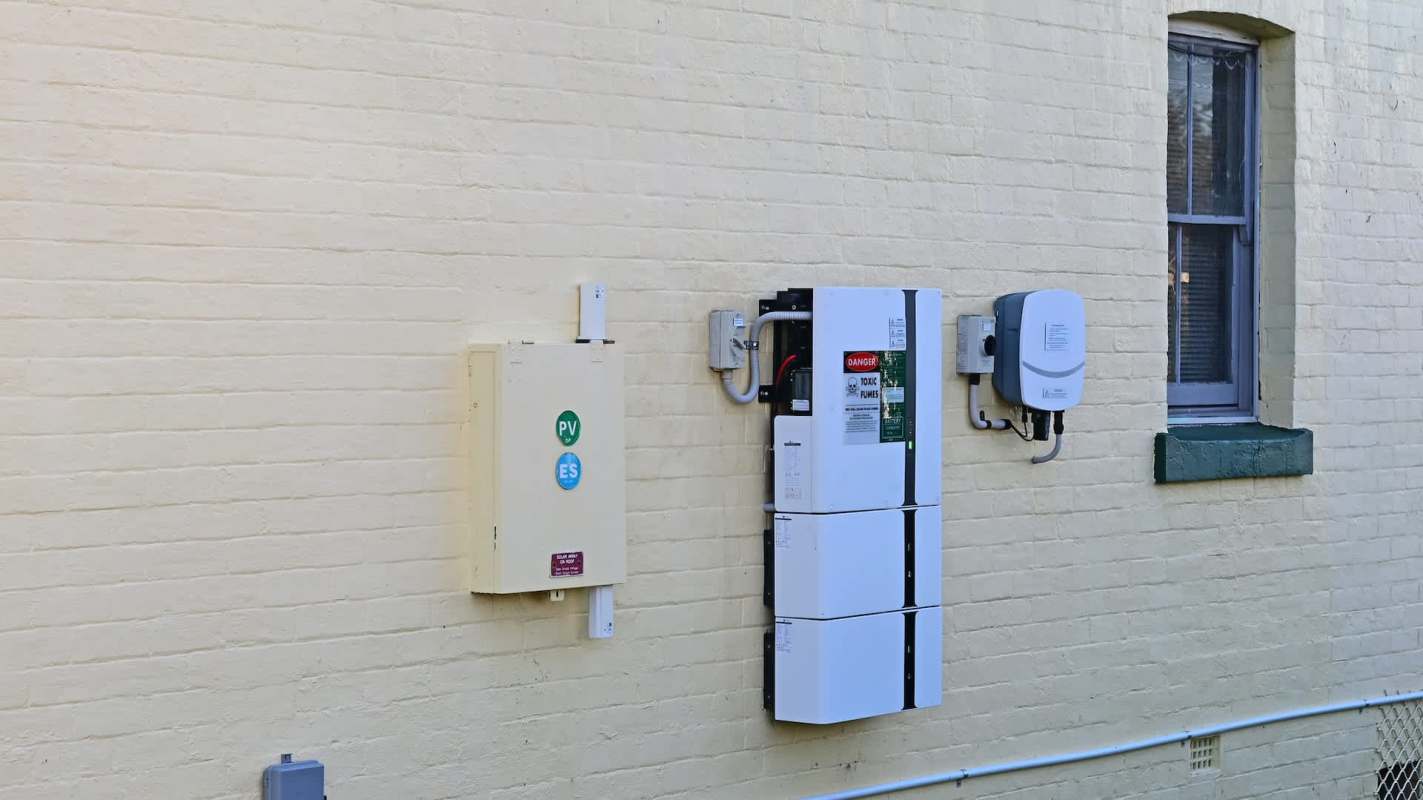
A U.K. homeowner with rooftop solar and two home batteries said getting installers to even discuss a relatively simple expansion has been difficult, highlighting a problem more solar users may encounter as they try to store more of their own electricity.
What's happening?
In a post on r/SolarUK, a resident of Cheltenham in England asked other users for a ballpark figure on adding one or two FOXESS EP12 Plus batteries to an existing setup.
The reason for the upgrade was increased demand, especially in colder months.
The homeowner wrote, "I use a lot of power, and expect to use more in the winter — so I'm keen to increase capacity."
They said their system already included a KH9 inverter, two EP12 Plus batteries, a junction box, available space for more storage, and a 12.6-kilowatt-peak solar array.
One commenter estimated "£2,700 [~$3,647] for the 3rd and maybe £5,000 [$6,755] for the 4th," while another said their own installer quoted "£2,200 [$2,972]" to add a third battery to a system that already had two EP12 units.
One person pointed to a much lower self-install cost, writing, "Added an additional EP12 myself for £1,500 [$2,026]."
For homeowners trying to avoid a similar dead end, EnergySage's free tools can help explain home battery storage options and provide competitive installation estimates. EnergySage has teamed up with the electrification brand Qmerit to guarantee you get the best price on home battery storage solutions.
Save $10,000 on solar panels without even sharing your phone number Want to go solar but not sure who to trust? EnergySage has your back with free and transparent quotes from fully vetted providers in your area. To get started, just answer a few questions about your home — no phone number required. Within a day or two, EnergySage will email you the best options for your needs, and their expert advisers can help you compare quotes and pick a winner. Solar panels can save you more than $50k over their 25-year lifespan, and EnergySage can help you save as much as $10k on installation. Which begs the question — isn't that worth an email or two? |

Why does it matter?
Adding battery storage can improve energy resilience, lower utility costs, and make better use of the solar power homeowners already generate.
When paired with rooftop panels, batteries can help keep essential devices running during outages while also allowing households to store electricity for later use instead of exporting it to the grid and buying power back after the sun goes down.
Additional storage can mean more backup during storms, more control over monthly bills, and more value from an existing solar investment. For households with heavy winter usage, it can also help meet demand during darker hours.
Retrofits can be harder to quote and schedule than brand-new installations, especially during busy periods. Even when the equipment is compatible, some homeowners may struggle to find contractors willing to take on smaller expansion jobs.
What can I do?
If you already have solar and want to add batteries, it helps to start with compatibility questions before asking for a price. Homeowners should ask whether their inverter supports additional batteries, whether the manufacturer approves this kind of retrofit, and whether adding new units could affect warranties, system balancing, or commissioning requirements.
It is also wise to request itemized quotes that separate hardware, labor, electrical work, and any inspection or paperwork costs. That makes it easier to compare bids and determine whether the main issue is equipment pricing or installer time and complexity.
For people who want backup without committing to a full-house setup, Pila offers another path. Its plug-and-play batteries are priced at a fraction of what a whole-home backup system would cost.
Battery storage can be one of the most practical home energy upgrades available. Beyond lowering utility bills, it can provide meaningful resilience during blackouts and severe weather, giving households more independence and more confidence when the grid is under pressure.
In this case, the main obstacle was not a lack of interest in battery storage — it was finding someone willing to give a clear all-in supply-and-fit price.

Get TCD's free newsletters for easy tips, smart advice, and a chance to earn $5,000 toward home upgrades. To see more stories like this one, change your Google preferences here.






