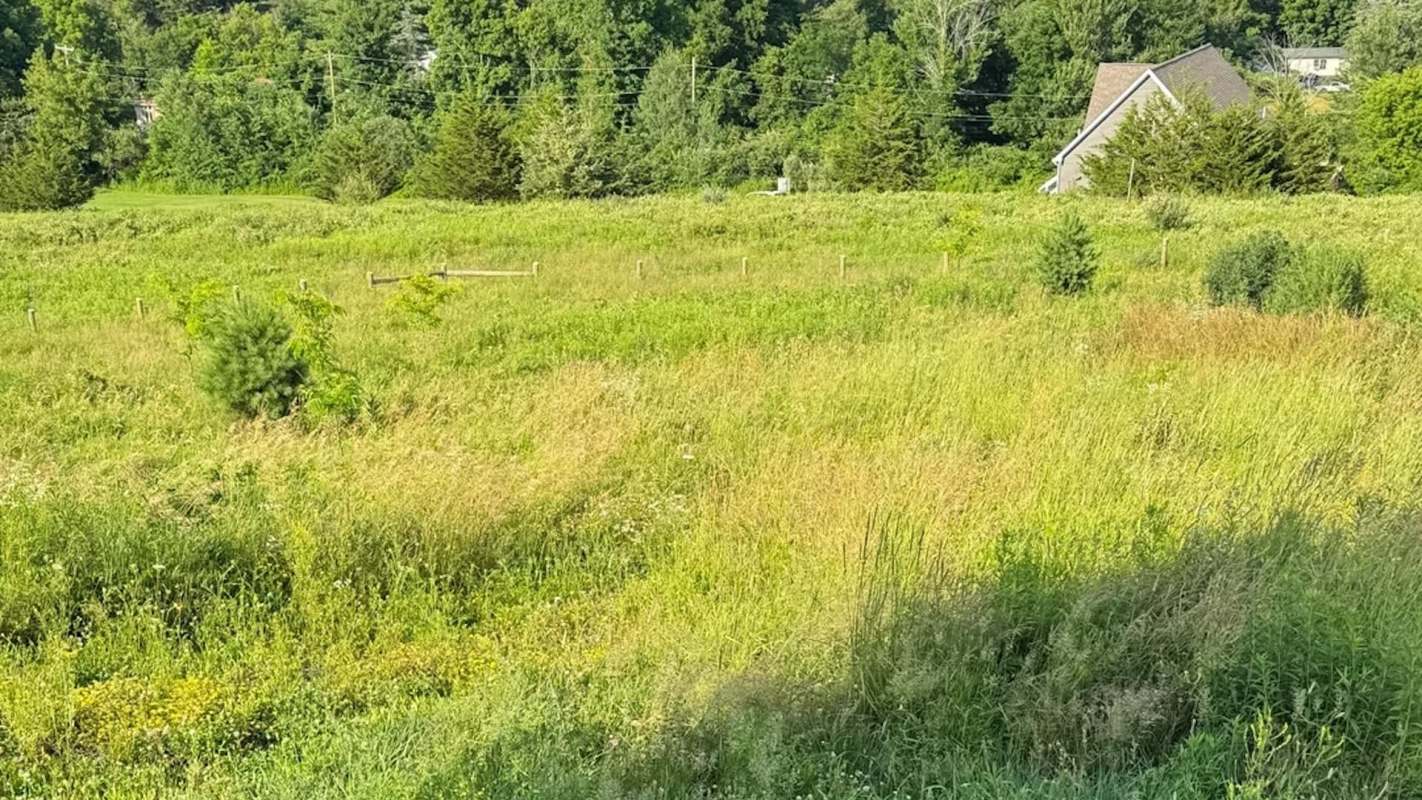
Yards that break from the neatly mowed look can leave homeowners second-guessing even a deliberate planting project.
That was the dilemma behind a post on the r/gardening subreddit from a rural homeowner who had turned part of a 2-acre property into a native wildflower meadow and wanted to know whether others would see it as beautiful or simply neglected.
What happened?
In a Reddit post, the homeowner said they were establishing a meadow with native species, including goldenrod, asters, and coneflowers.
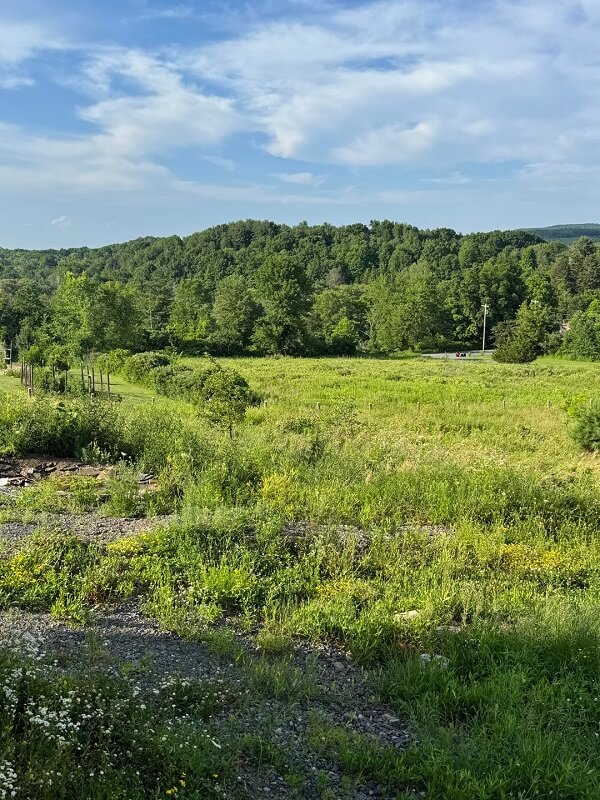
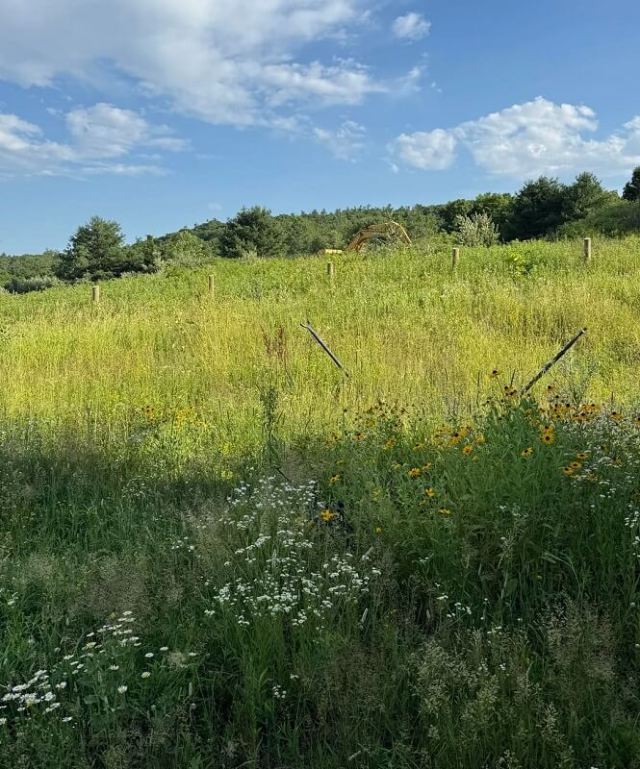
They revealed they let nature take its course while broadcasting seed. They enjoyed watching everything move in the wind, and we're rooting for "an enchanted wild garden" to take root.
"Soon enough everything will be bursting with goldenrod, aster, black-eyed Susans, coneflower and other natives," they wrote. "Some weeds for sure but it's a colorful and happy mix."
The uncertainty had less to do with the planting itself than with the surrounding setting. With neighboring properties kept uniformly mowed, the poster wondered whether their intentionally wilder area would come across as attractive or just untended.
TCD Picks » Quince Spotlight
💡These best-sellers from Quince deliver affordable, sustainable luxury for all




"We have a lot of pollinators and wildlife, too… it's so great but is it weird???" they asked.
Most of the responses were positive, and several commenters echoed the familiar point that a "weed" can simply be a plant growing in a place where someone does not want or expect it.
The conversation reflects the broader rewilding and no-mow yard trend, which encourages people to swap at least some traditional lawn space for plants that create habitat.
"If it don't bother you, don't get in your way, and don't got no thorns, it ain't a weed," one user wrote. "It's beautiful."
Why does it matter?
Native-plant lawns and meadow spaces can support pollinators, birds, and other local wildlife while cutting back on the mowing, watering, and chemical treatments often needed to keep a traditional lawn alive.
For people who don't want to commit to a full meadow, there are still lower-maintenance options. Replacing part of a lawn with native plants, clover, buffalo grass, or xeriscaping can reduce costs and upkeep while making outdoor spaces more resilient in hot, dry conditions.
Homeowners around the country have been rethinking grass-heavy yards in favor of landscapes that are easier to maintain and better suited to local ecosystems.
What can I do?
If you like the idea but are worried about making your whole yard look unfamiliar, starting small can make the transition easier. Replacing even one section of turf with native flowers or grasses can help you test what works in your climate while still delivering some of the benefits of reduced mowing and watering.
Another option is to mix styles by keeping a tidy border, path, or mowed edge around a wilder planting area. That can make native landscaping feel more intentional, especially in neighborhoods where manicured lawns are the norm.

Get TCD's free newsletters for easy tips, smart advice, and a chance to earn $5,000 toward home upgrades. To see more stories like this one, change your Google preferences here.