


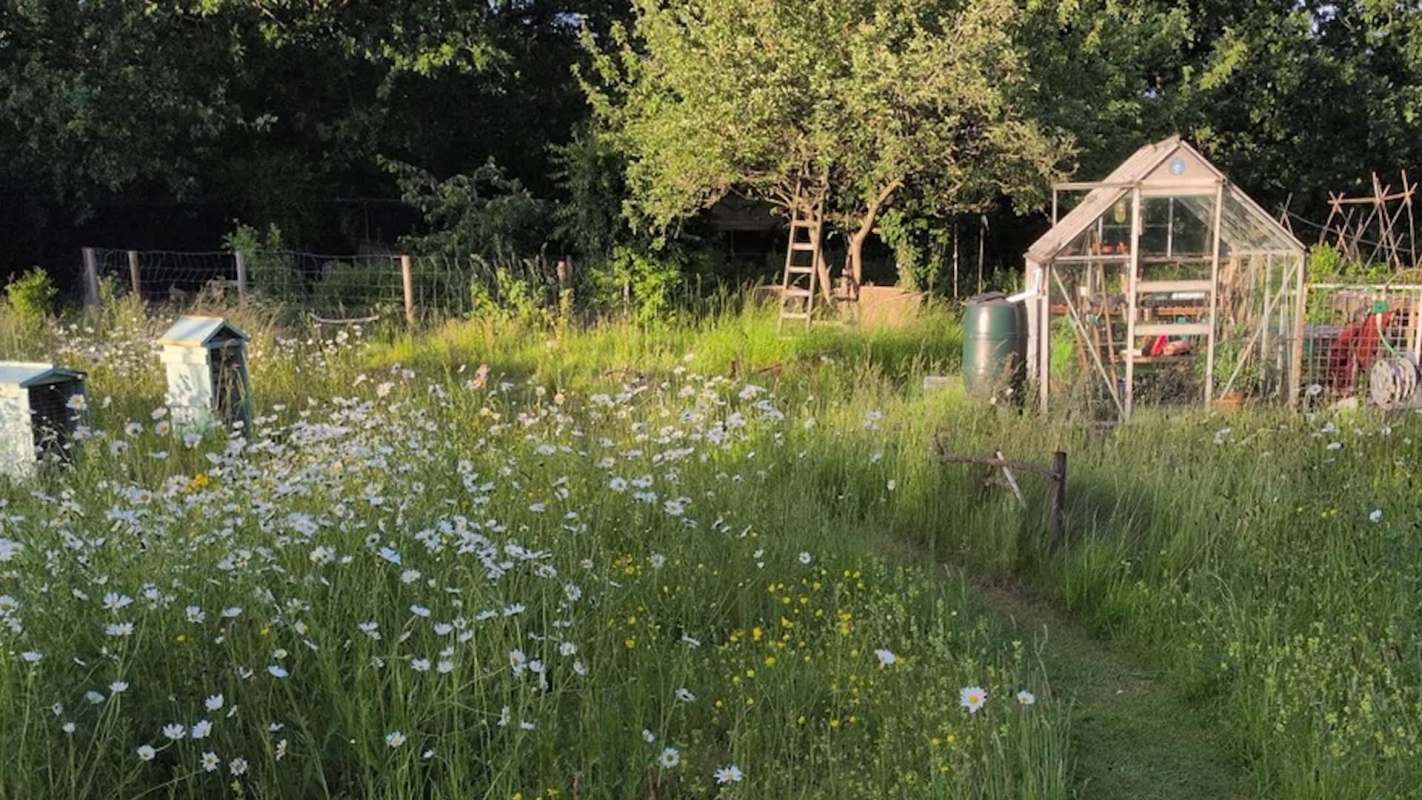
A gardener's meadow-style yard is drawing attention online as an example of how a low-cost outdoor space can flourish when wildlife is treated as a welcome guest rather than a pest.
In a post on the subreddit r/GardeningUK, a gardener shared photos of a nature-first garden that combines flowers, ponds, pollinator habitat, and edible plants.
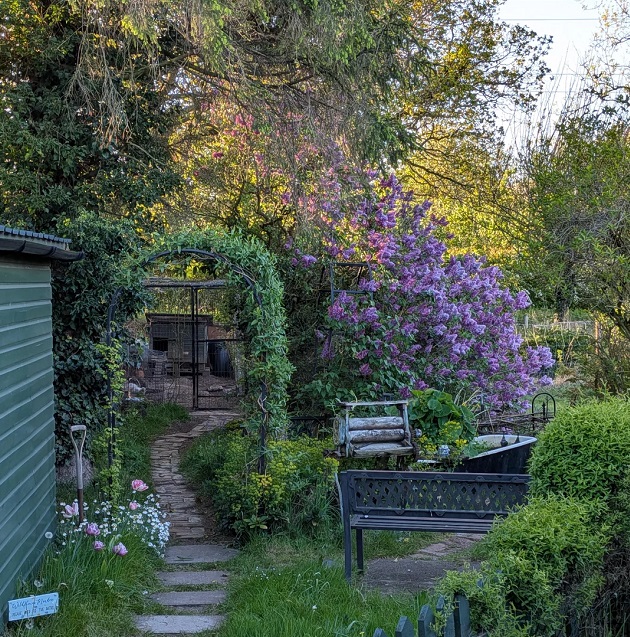
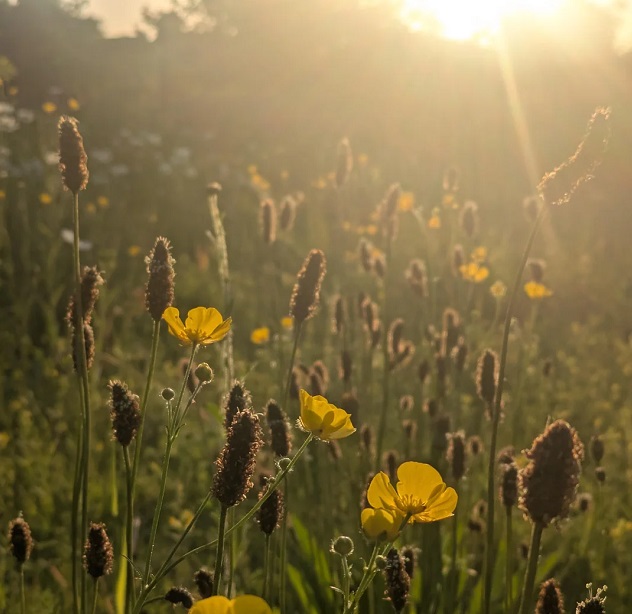
The original poster wrote, "It's not to everyone's taste but this is my meadow garden. It's cared for with nature in mind, and the philosophy that we borrow and share the space with other creatures. No pesticides, no deterrents, everything in harmony."
The gardener explained that "the veg is protected by the frogs and toads," with "lettuce, peas, beans all remaining untouched by virtue of the amphibian army."
The garden also appears to have been created on a shoestring budget. The compost is made at home, bee shelters were fashioned from scrap wood, and the ponds repurpose a 1930s clawfoot bath and "a washing-up bowl sunk into the ground, affectionately known as Froggy Bottom."
Commenters were quick to pile their admiration for the meadow-style yard. One wrote, "Bravo. I have spent the last few years building a wildflower meadow. The nature this 'wild' gardening attracts is so much greater than in gardens where everything is mowed." Another added, "This is the dream. And you're a great photographer!"
TCD Picks » Quince Spotlight
💡These best-sellers from Quince deliver affordable, sustainable luxury for all




These kinds of gardens turn the typical lawn formula on its head. Instead of a resource-hungry patch of grass that needs frequent mowing, watering, and chemical treatment, it creates a space that supports frogs, bees, and other beneficial creatures while still producing food.
Installing a native-plant lawn or replacing even part of a traditional yard can reduce maintenance time, cut spending on fertilizer and pesticides, and lower water bills.
Lower-input yards can also be more resilient during hot, dry stretches. There are plenty of low-maintenance lawn replacement options as well. Native plants are a strong choice for supporting local ecosystems, while clover can stay green with less upkeep, buffalo grass can reduce mowing needs, and xeriscaping can sharply reduce water use.
Even a partial lawn replacement can deliver many of these benefits without requiring a full yard makeover.

Get TCD's free newsletters for easy tips, smart advice, and a chance to earn $5,000 toward home upgrades. To see more stories like this one, change your Google preferences here.






