


Weatherizing your home with features like better insulation and upgraded windows can be a great way to make it more comfortable while also saving on monthly utility bills.
For one homeowner, though, the weatherization work on their home turned a routine upgrade into a safety concern. After the house was sealed up more tightly with better windows and insulation, the question became whether an aging propane water heater was still venting properly — and whether going electric would be the smarter next move.
What's happening?
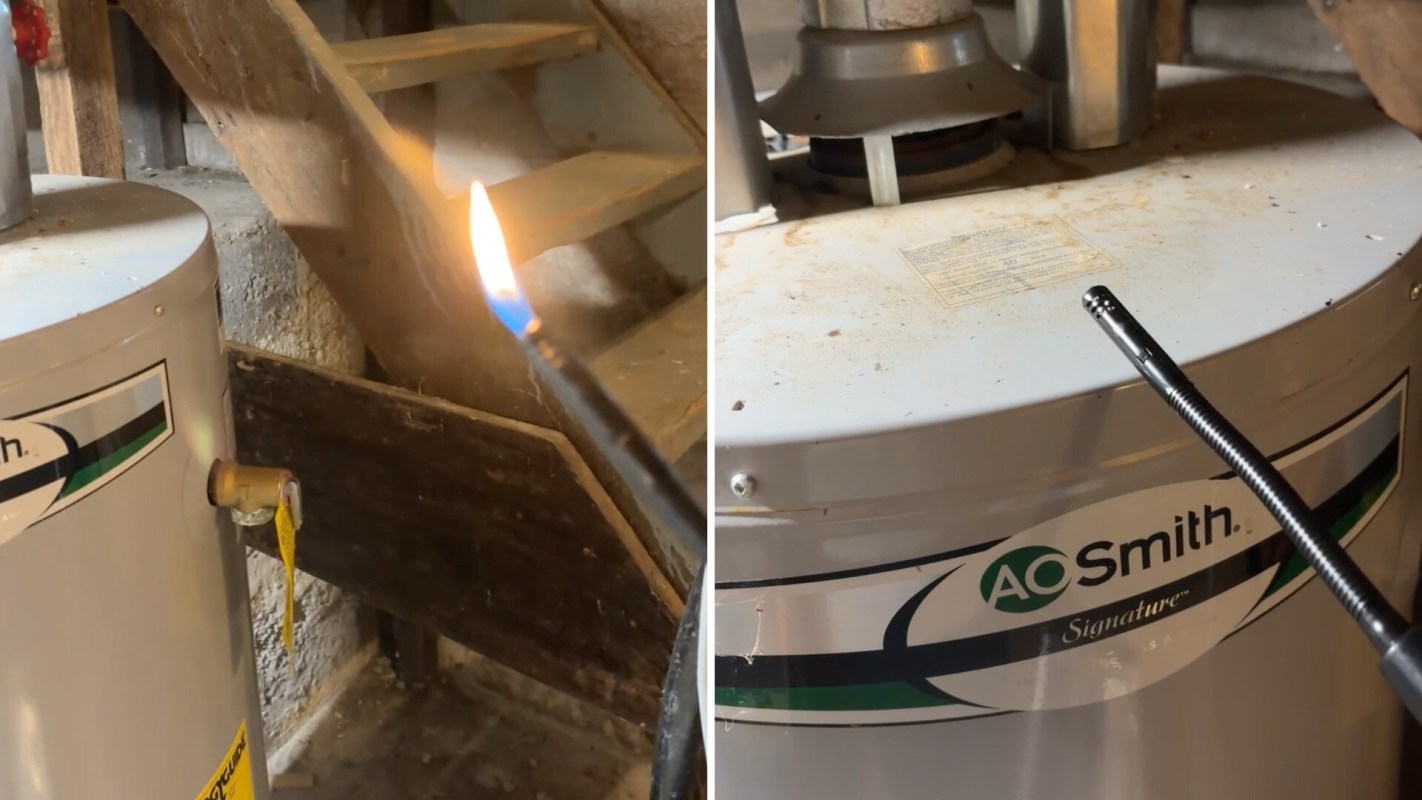
After installing new windows and retro-foam insulation, a homeowner said in a post on Reddit that the house had become much tighter, raising concerns about whether a propane water heater that uses natural draft could still vent safely. They posted a video of a lighter flame going out when moved close to the water heater.
(Click here to view embed if it does not appear.)
This is a well-known issue among plumbers and home performance professionals: As a house gets more airtight, older combustion appliances can have a harder time drafting correctly. Instead of being safely vented, those gases can spill back into the home, raising health and safety concerns.
In addition to potentially modifying the heater's ventilation system, the homeowner said they were considering a complete switch to electric to avoid the carbon monoxide risk associated with fuel-burning equipment altogether.
Beyond eliminating carbon monoxide concerns, heat-pump water heaters offer a big financial upside. Because they move heat rather than generate it directly, these systems can dramatically reduce water-heating energy use, often translating into meaningful utility-bill savings over time.
Why does it matter?
The back-drafting of toxic fumes into the home isn't just an equipment problem. It can become a serious health and safety concern because combustion exhaust may contain carbon monoxide, an odorless gas that can be dangerous or even deadly at high concentrations.
Crushed by your bills? See instant solar savings from vetted installers in just a few clicks With energy prices through the roof, there's never been a better time to go solar — and EasyHome can help you find the best prices from the best installers in your area. EasyHome takes the guesswork and headaches out of energy upgrades by showing you estimated savings from a network of vetted local partners. To get started, just enter your ZIP and share a few details about your home — seeing your estimate is really that easy. |

While a house can feel quieter, more comfortable, and more efficient after air-sealing or insulation upgrades, those upgrades could still be causing a hidden venting problem, especially if the home uses older gas or propane appliances.
In many cases, addressing venting issues means checking draft performance, installing carbon monoxide alarms, and bringing in qualified technicians if an appliance appears to be venting exhaust.
What can I do?
If you've tightened your home with new windows, insulation, or air sealing, it's worth having any natural-draft gas or propane appliances evaluated. A licensed plumber, HVAC contractor, or home performance professional can check venting, while helping to weigh out the pros and cons of replacement options.
For many households, that replacement conversation now includes heat-pump water heaters. Energy-efficient heat-pump water heaters do not rely on combustion to produce heat, which eliminates the risk of back-drafting while also lowering energy use.
Cala makes customizable smart heat-pump water heaters that help homeowners decrease their energy bills by heating water exactly when it's needed. The systems are designed to give homeowners more control over hot-water timing and energy use, which can make the switch from combustion equipment feel more practical. For anyone weighing safety, efficiency, and long-term operating costs after a venting scare, Cala offers one example of how newer water-heater technology is evolving to provide safer, cheaper options for homeowners.

Get TCD's free newsletters for easy tips, smart advice, and a chance to earn $5,000 toward home upgrades. To see more stories like this one, change your Google preferences here.






