


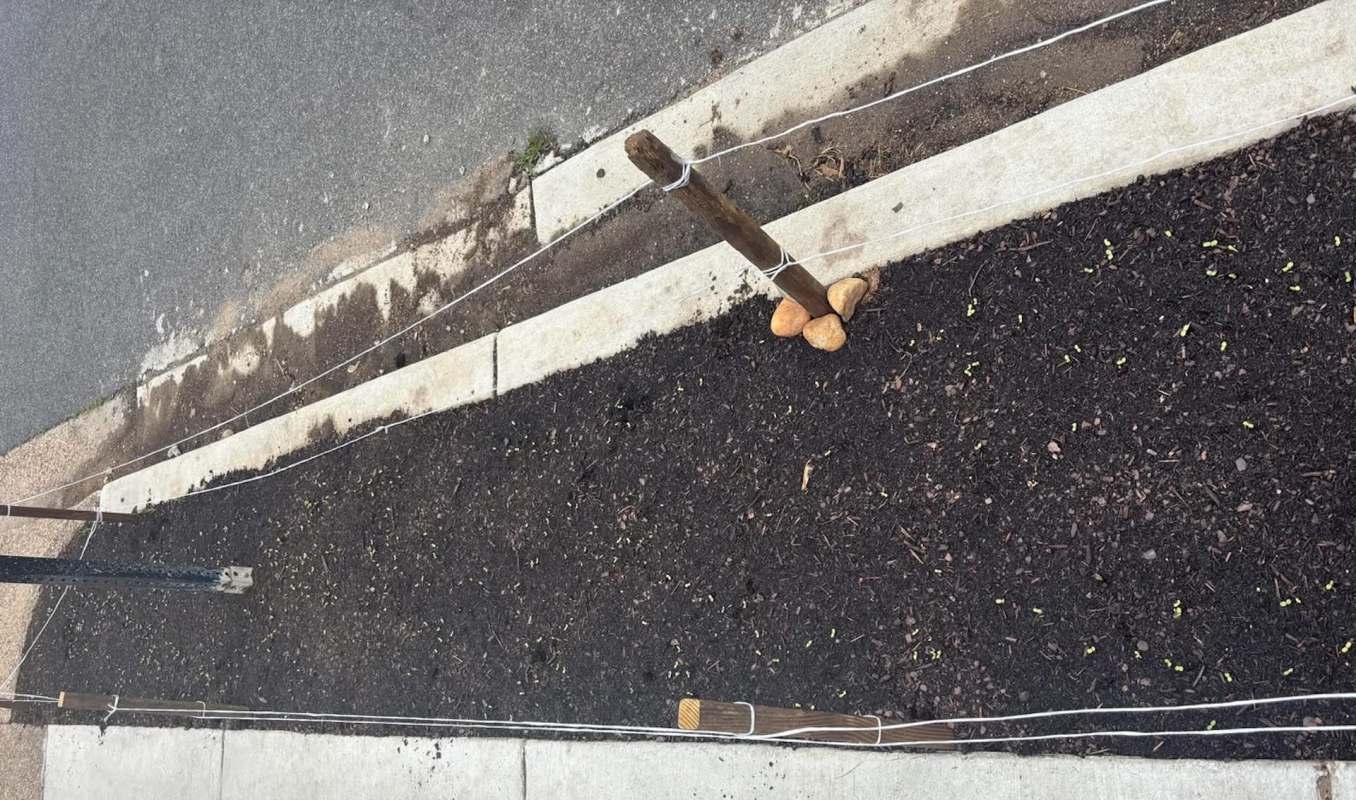
What used to be a narrow strip of grass beside the sidewalk is now an inexpensive zinnia planting that adds color to one homeowner's neighborhood.
What happened?
In a viral post on the Reddit forum r/gardening, the homeowner said the city had put "crappy weed-grass in the medians when they replaced the sidewalks this year. I got sick of mowing."
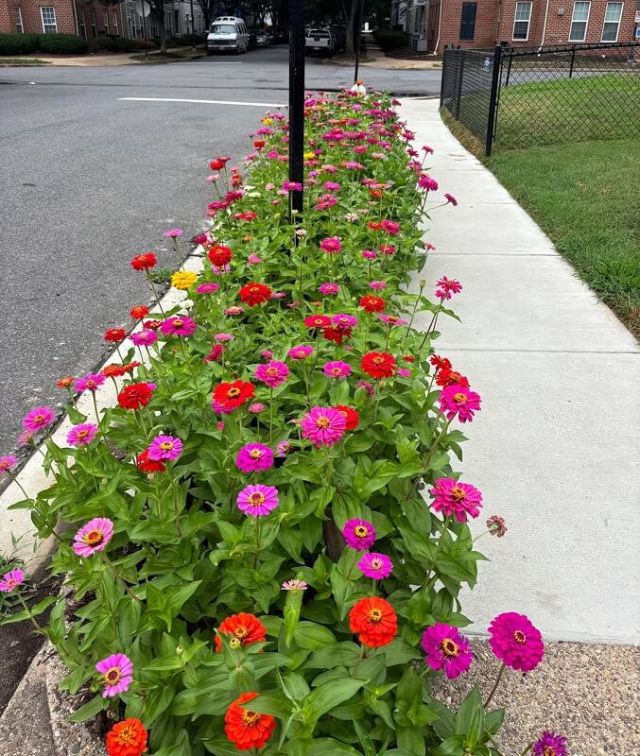
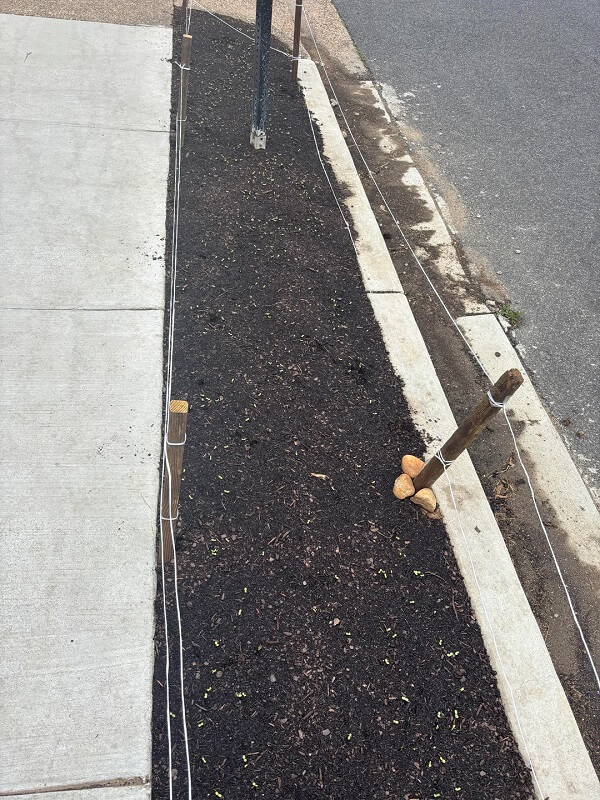
Working with their boyfriend, they converted the strip using several bags of soil, compost, and zinnia seed. The results came fast enough that, in their words, "Ended up having to thin them considerably. They've exploded this week, exactly 60 days from planting!"
They also said the project did not cost much, estimating that it was "maybe $40 all in for gorgeous blooms all summer long."
Readers in the comments said the flowers brightened more than just the homeowner's yard.
One commenter wrote, "Please know your flowers are appreciated by more than just you. Neighbors enjoy them. Those of us here on Reddit enjoy them. Thank you for sharing!!"
TCD Picks » Quince Spotlight
💡These best-sellers from Quince deliver affordable, sustainable luxury for all




The homeowner replied that the area gets plenty of foot traffic from "kids and dog walkers," so they get "lots of people commenting on the gardens when they walk by."
Why does it matter?
Even a small lawn swap like this can reduce routine upkeep while making a street look more welcoming. Instead of continuing to mow a thin patch of grass, the homeowner turned it into something people stop to appreciate.
A zinnia patch is not the same as a fully native plant lawn, but it reflects many of the same benefits that have made lawn alternatives increasingly popular. Replacing all or part of a traditional lawn with native plants can reduce mowing, lower water bills, and often cut the need for fertilizers and other upkeep.
There are also plenty of low-maintenance options beyond flowers, including clover, buffalo grass, and xeriscaping. Even a partial lawn replacement, such as a median, curb strip, or front-yard corner, can help homeowners spend less time on maintenance while adding beauty and creating habitat.
What can I do?
If you're inspired to try something similar, start small and check local rules first, especially if the space belongs to a city or homeowners association. A sidewalk strip, tree bed, or thirsty section of lawn can make a manageable first project.
When possible, choose native plants suited to your climate, since they are often better adapted to local rainfall and can support pollinators and birds.
For anyone planting zinnias, spacing can make a difference. The original poster said in a comment, "I thinned this patch out a lot so they had airflow and [avoided] watering the leaves when I could," in response to users seeking advice for handling powdery mildew.

Get TCD's free newsletters for easy tips, smart advice, and a chance to earn $5,000 toward home upgrades. To see more stories like this one, change your Google preferences here.






