


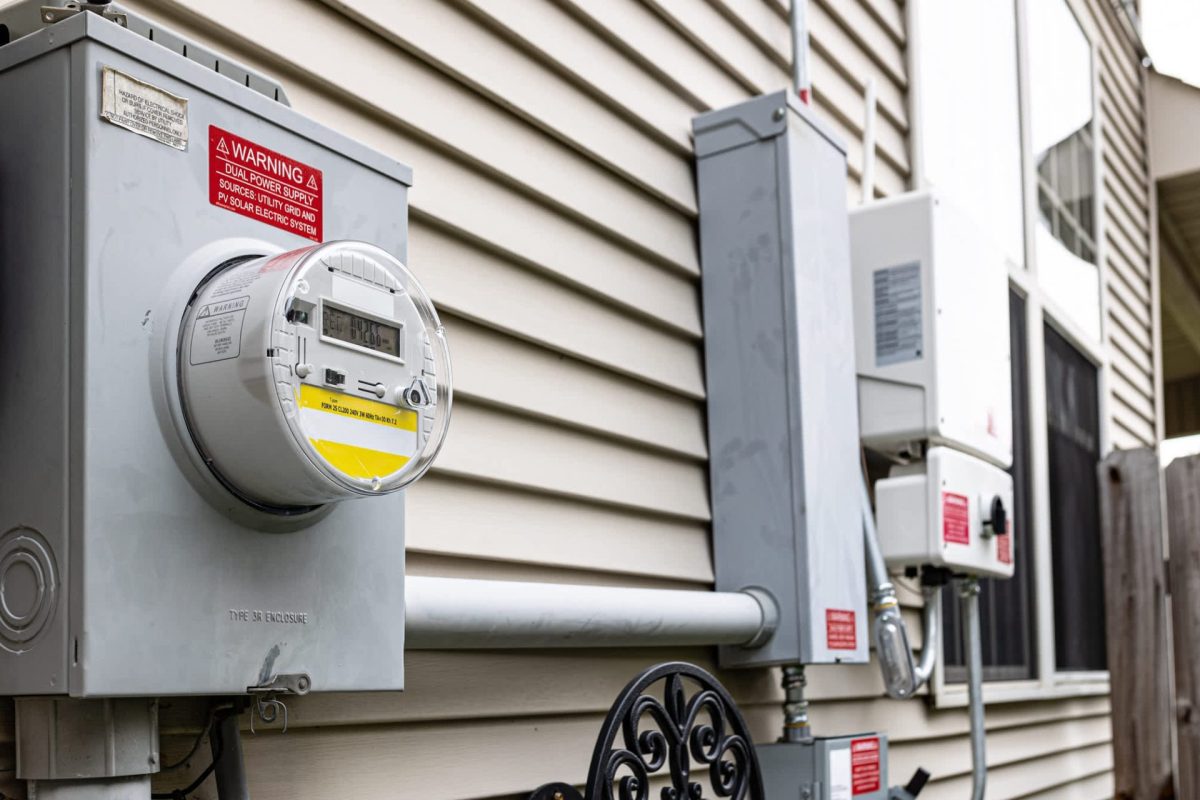
A final solar sign-off for one homeowner may hinge on software rather than a meter swap: the smart meter already on the property appears capable of net metering, so the utility might only need to enable that function.
What happened?
In a recent Reddit post, a homeowner asked whether the utility would "just need to do a software enable to activate the net meter?" after explaining that the project had passed inspection and reached the stage where a net meter was needed. The homeowners stated they had installed an updated meter six months ago, and that this upgraded device provided "the ability to see real time power consumption and wifi connection."
The poster's main question was whether "these new smart meters may also be locked net meters." They asked Reddit: "Anyone know if this is true?"
Going solar is one of the best ways to save money on home energy, especially when net metering allows homeowners to earn credits for surplus electricity. If you're considering rooftop panels, EnergySage can help you get quick solar installation estimates, and EnergySage lets shoppers compare quotes from installers for free.
In response to one individual asking what a locked meter is, the poster explained, "They rolled out the new smart meters and they are software locked. Meaning they are physically able to function as a Net meter but default on homes without solar or a need for net metering the net meter function is disabled via software."
They also said they found out that National Grid enables net metering by "programming the bidirectional smart meter to measure both the electricity you draw from the grid and the excess power your solar panels send back."
Why does it matter?
If this setup is common, a smart meter that is already physically capable of net metering could mean no additional equipment appointment, less waiting, and a faster path to receiving bill credits once a system is approved.
Solar power exported to the grid helps offset electricity drawn from it later. The sooner a utility activates bidirectional tracking, the sooner a household may be able to lower its monthly energy costs.
Save $10,000 on solar panels without even sharing your phone number Want to go solar but not sure who to trust? EnergySage has your back with free and transparent quotes from fully vetted providers that can help you save as much as $10k on installation. To get started, just answer a few questions about your home — no phone number required. Within a day or two, EnergySage will email you the best local options for your needs, and their expert advisers can help you compare quotes and pick a winner. |

Smart meters can support real-time consumption tracking, net metering, and, in some areas, time-of-use pricing — features that can help consumers make better choices about when to use, store, or send electricity back to the grid.
What's being done?
Homeowners in the solar approval process can ask both the installer and the utility whether the existing smart meter can be remotely programmed for net metering and exactly when billing credits will begin. Keeping records of inspection sign-off and activation dates can also make delays easier to identify.
Free planning tools can help on the shopping side too. On a state-by-state level, EnergySage's solar map shows the average cost of a home solar panel system, as well as details on solar panel incentives for each state. Together, these resources can help readers get the best price for rooftop solar panels and access available incentives.
EnergySage's free services are also useful for comparing offers before signing a contract. By using EnergySage's resources, the average person can save up to $10,000 on solar purchases and installations. Because the service is free, homeowners can gather quotes and compare options without adding to project costs.
More From EnergySage
💡Go deep on the latest news and trends shaping the residential solar landscape

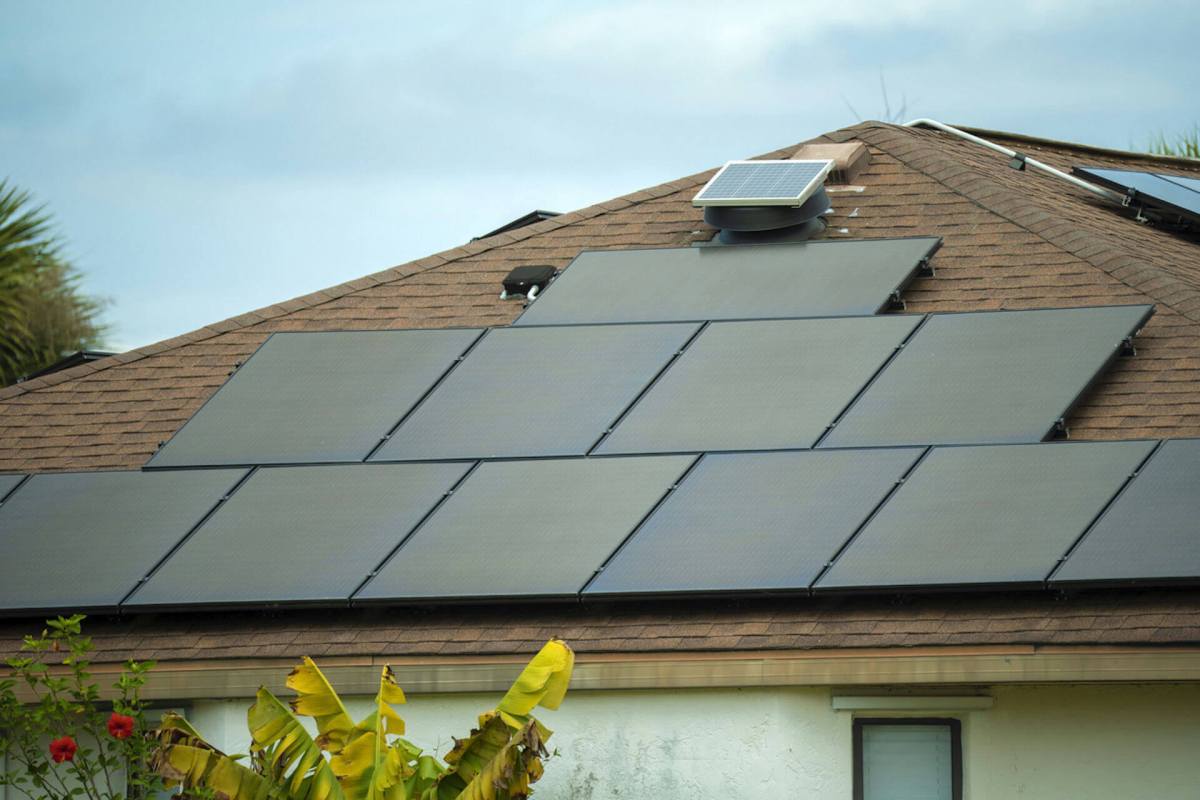

The homeowner later updated the thread with some good news. "Looks like National Grid was able to enable my smart meter. No one came to my home this was done remotely since the new smart meter has the ability to be a net meter! This blew me away." They even added that with this new system, they were able to generate solar energy on a rainy and overcast day.
Another way to further optimize your solar setup is through adding battery storage — it's one of the best ways to protect your home during outages, save money on energy, and go off-grid.
Homeowners who want to compare options can explore EnergySage for information on home battery storage, including competitive installation estimates. Other new technological innovations are being developed for new ways of storing backup power — such as a California program testing if electric vehicles equipped with bidirectional chargers can provide backup power to their homes and help support the grid.
Another user pointed to what could be a broader pattern, writing, "Eversource is doing smart meter changeovers also - probably to start time of use rates. We got solar 6 weeks ago, enphase 9kw system."

Get TCD's free newsletters for easy tips, smart advice, and a chance to earn $5,000 toward home upgrades. To see more stories like this one, change your Google preferences here.






