Parked electric vehicles may eventually do more than wait for their next trip. A pilot underway in California is testing whether they can also serve as backup power for homes and, when the grid is strained, send electricity back out.
If that approach can work on a broader scale, it could help households get through outages, cut electricity costs, and provide support to the power system during periods of heavy demand.
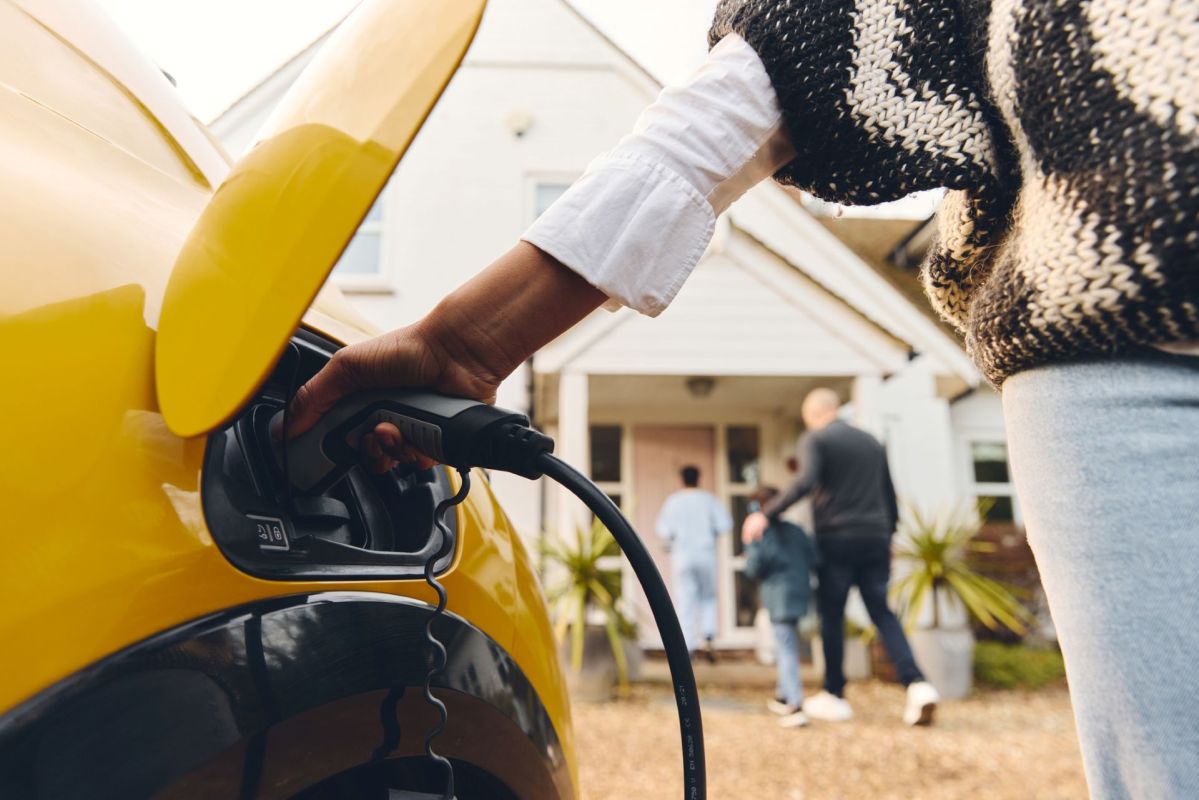
As Canary Media reported, about 120 homes are being outfitted with bidirectional chargers that let compatible EVs both charge up and discharge power.
What happened?
With funding from the California Energy Commission, Bidirectional Energy and Wallbox are using the pilot to determine whether EVs can reliably handle three jobs: powering homes, helping households avoid the most expensive hours of electricity, and sending energy back to the grid when demand rises.
At Frances Bell's Oakland home, a Kia EV9 is paired with a Wallbox Quasar 2 charger. The setup can automatically keep appliances running during a blackout, reduce grid use during costly utility periods, and feed electricity back to the grid.
"If the grid goes down, this will just kick in. You don't have to walk out here and switch it," Bell said.
Adding battery storage is one of the best ways to protect your home during outages, save money on energy, and even take steps toward going off-grid. If you're curious about backup power, it may be worth exploring home battery storage options, including competitive installation estimates.
Why does it matter?
This kind of technology could be especially useful for homeowners in areas vulnerable to blackouts.
Save $10,000 on solar panels without even sharing your phone number Want to go solar but not sure who to trust? EnergySage has your back with free and transparent quotes from fully vetted providers in your area. To get started, just answer a few questions about your home — no phone number required. Within a day or two, EnergySage will email you the best options for your needs, and their expert advisers can help you compare quotes and pick a winner. Solar panels can save you more than $50k over their 25-year lifespan, and EnergySage can help you save as much as $10k on installation. Which begs the question — isn't that worth an email or two? |

Bell said the EV9 stores about 99 kilowatt-hours of energy, roughly equivalent to seven Tesla Powerwalls. Canary Media reported that that amount could keep a typical home running for about three days.
Home battery storage is already one of the most effective tools for improving resilience, lowering electric bills, and reducing dependence on the grid.
If EVs can also serve as home batteries, families may be able to get more value from a vehicle they already own rather than purchasing a separate large backup system.
There could also be benefits beyond individual households. Utilities may be able to tap parked EVs during demand-response events, helping reduce pressure on the grid, prevent rolling blackouts, and compensate drivers for providing electricity support.
Bell said the pilot is about more than simply showing that the technology works.
"We're training some of the first installers, we're getting the first interconnection processes established, and hoping to take that to other geographies," she said.
She added that scale may be the key to advancing the technology.
"Previous bidirectional demonstrations were in the ones and twos," Bell said. "When you get to 100 or more, you start to get to more standard processes. That's how you start to scale."
Bell also said the savings are already becoming clear in her own home. "Every day, when I plug in my car, this number ticks up."

Get TCD's free newsletters for easy tips, smart advice, and a chance to earn $5,000 toward home upgrades. To see more stories like this one, change your Google preferences here.
Cool Picks