


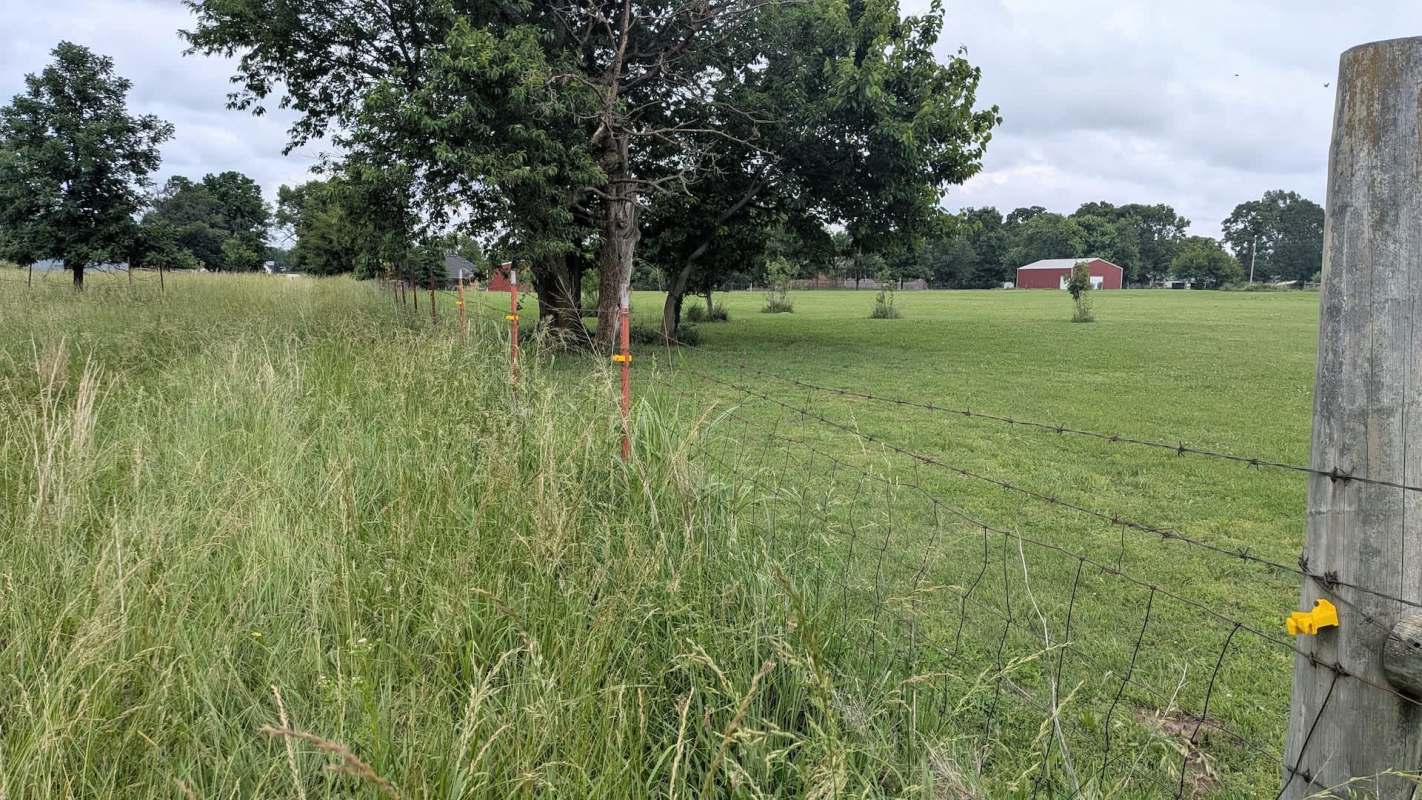
A Reddit post is striking a nerve with homeowners who don't want to spend their weekends mowing huge expanses of grass that do little for people or wildlife.
In the r/NoLawns community, one landowner contrasted their own buzzing native pasture with a neighboring property cut short again and again, calling it "so much work for boring results."
The post, which has drawn more than 1,800 upvotes and over 2,000 comments, came from a user who described their several-acre pasture as imperfect but still full of native forbs, grasses, sedges, and rushes. While their field supports insects, birds, and small mammals, they said nearby homeowners spend hours mowing roughly 10 acres of land.
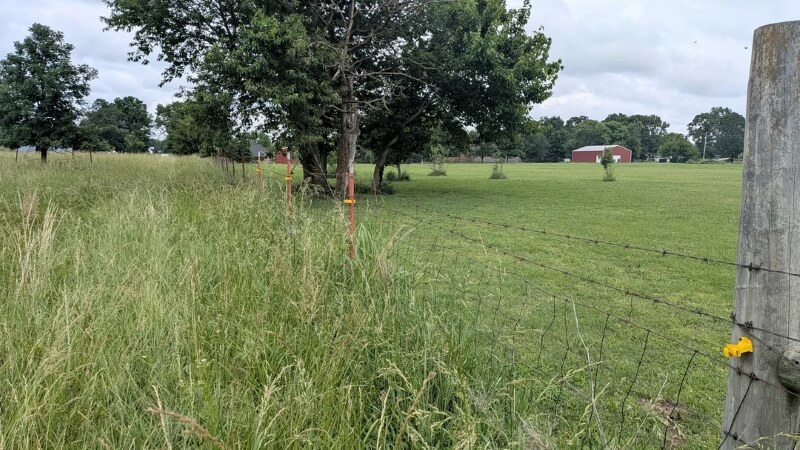
The poster argued that the difference is about more than aesthetics. In their view, closely cut lawns wipe away opportunities for kids to encounter nature up close, from pollen-covered beetles to rabbits and meadowlarks hiding in taller vegetation.
Commenters largely agreed, though the discussion also reflected some tension. Many people love the idea of rewilding, while others pointed to concerns about ticks, snakes, homeowners associations, and local fire rules. Several users suggested there is a middle ground between mowing everything and letting a property go unmanaged.
Traditional turf can demand major inputs of time, money, water, and fuel, especially on multi-acre properties, while offering relatively little habitat value.
TCD Picks » Quince Spotlight
💡These best-sellers from Quince deliver affordable, sustainable luxury for all




By contrast, native-plant lawns and managed meadows can support pollinators and birds, reduce maintenance, and often lower water bills because regionally adapted plants typically need less irrigation once established. They can also reduce fertilizer use and endless mowing.
Swapping part of a yard for native plants can cut upkeep while creating a more resilient landscape. Converting the edges, back corners, or unused sections of a property can make a noticeable difference.
For homeowners interested in moving away from all-grass landscaping, a first step is identifying how the yard is actually used. If only a small patch is needed for play or pets, the rest may be a candidate for lower-maintenance options.
Homeowners should also check local HOA rules, wildfire guidance, and municipal codes. In many cases, simple compromises, such as mowed walking paths through taller growth or targeted removal of invasive species, can balance habitat goals with safety and neighborhood requirements.
"It's beautiful in the wind," the original poster wrote.
One commenter summed up the appeal of a less-manicured yard, writing: "'Wow look at all those butterflies!' You could have this too ya know if you put in less effort lol."

Get TCD's free newsletters for easy tips, smart advice, and a chance to earn $5,000 toward home upgrades. To see more stories like this one, change your Google preferences here.






