


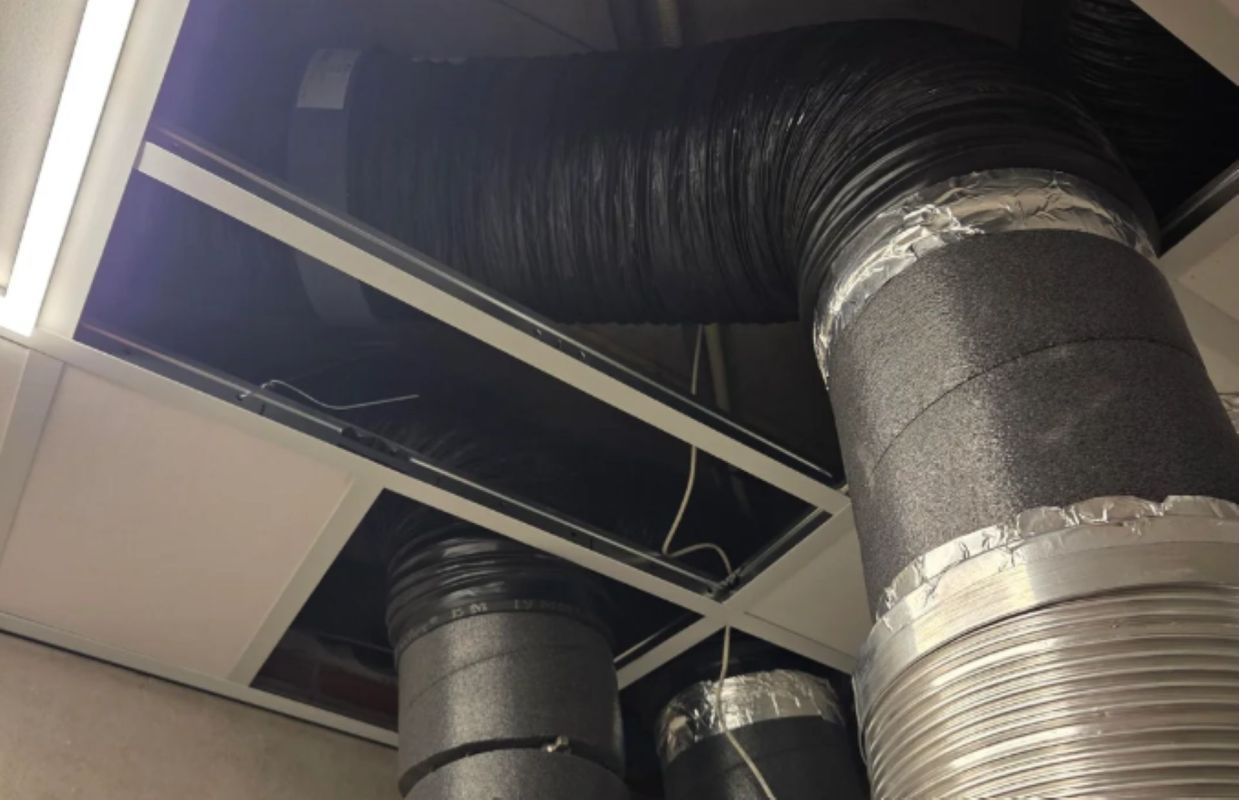
A Reddit post from a resident of the Netherlands is drawing attention to one of the less-discussed aspects of home electrification: What happens when a new heating and cooling system does not perform the way it was pitched.
In this case, the complaint is not about temperature — it is about noise.
What happened?
In a Reddit post, a resident said a Komfovent SCR/SCR series heating and cooling unit had been recommended for their apartment as the Netherlands pushes people to move away from gas.
They said the result has not matched expectations, describing the system as "considerably louder" than they were led to believe it would be.
According to the post, the most noticeable sound is "the flow and vibration of air entering the unit through the pipes," even though the unit was initially described as producing "about 40 decibels of noise."
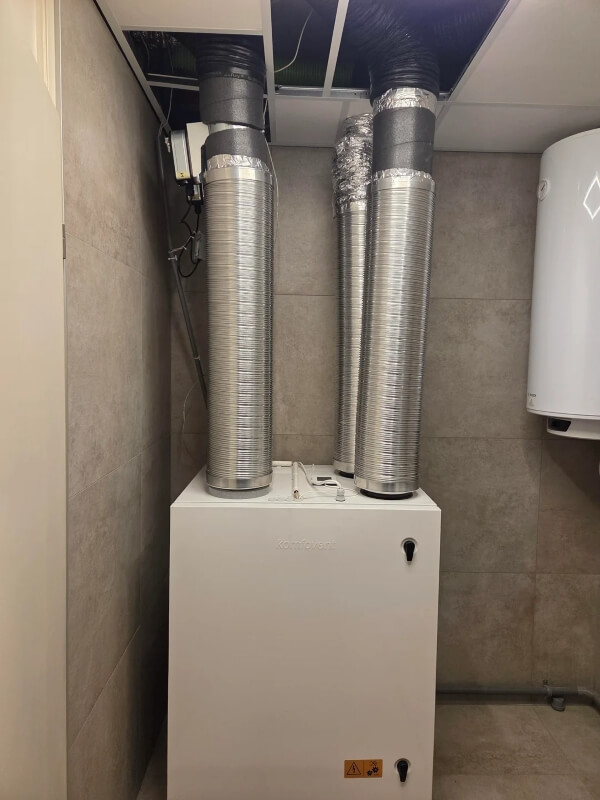
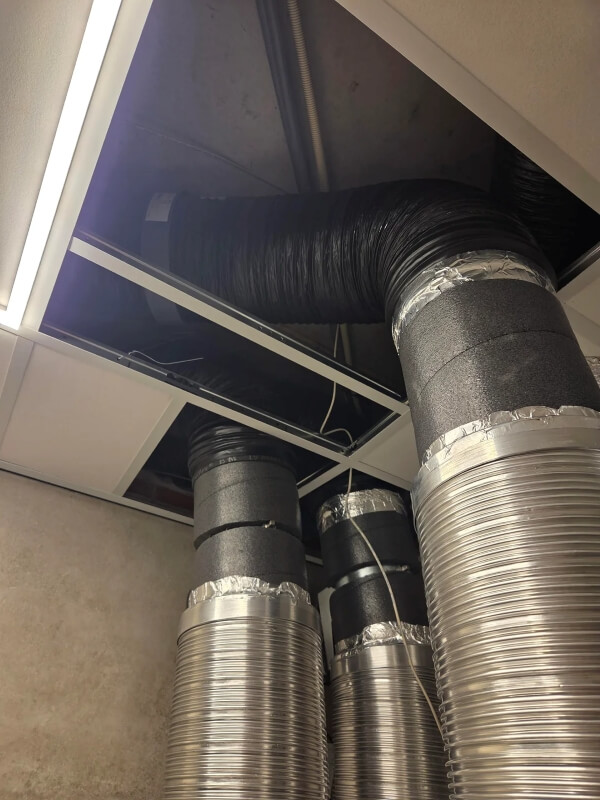
They said the placement has not solved the problem either: The system is "isolated in a pantry," yet "the noise it makes is still quite crazy."
"I was just wondering if anyone had any suggestions or tips on how I could reduce the noise? Are there certain materials which would be better to use? Certain pipes?" the original poster asked. "Any help or suggestions would be greatly appreciated."
Why does it matter?
The shift away from gas appliances comes with a real-world challenge: Even when electrification makes environmental and financial sense, a disappointing installation can quickly sour the experience.
Save $10,000 on solar panels without even sharing your phone number Want to go solar but not sure who to trust? EnergySage has your back with free and transparent quotes from fully vetted providers in your area. To get started, just answer a few questions about your home — no phone number required. Within a day or two, EnergySage will email you the best options for your needs, and their expert advisers can help you compare quotes and pick a winner. Solar panels can save you more than $50k over their 25-year lifespan, and EnergySage can help you save as much as $10k on installation. Which begs the question — isn't that worth an email or two? |

Heat pumps and other electric HVAC systems are often promoted as a win-win. They are significantly more energy-efficient than traditional HVAC systems and can provide both heating and cooling from one setup. They also have financial benefits such as tax credits, rebates, and long-term savings. EnergySage's Heat Pump Marketplace is a resource for comparing heat pump options for those making the switch.
High-efficiency electric systems can reduce energy use compared with conventional heating and cooling equipment, and they often offer meaningful incentives that lower upfront costs.
Merino offers single-room, ultra-efficient HVAC systems at a lower price point than a full system. The unit is a targeted heating and cooling option that can be installed in under an hour.
For some households, details such as airflow design, vibration isolation, and duct placement can be just as important as efficiency ratings.
Homeowners can pair solar panels with efficient electric appliances to further reduce their utility costs. EnergySage makes it easy to get the right system for your home and budget, helping you save significantly on energy bills.
What are people saying?
Commenters came ready with plenty of advice for the OP.
"Increasing pipe diameter will lead to lower velocity and lower noise," one said. "Might try replacing flex with insulated smooth pipe — that gray eps stuff in your picture. Much less resistance to flow. Zehnder makes elbows and straights."
"You can buy off the shelf duct silencers but they can be quite expensive," said another. "I made one on a job that had quite a bit of mechanical/fan noise travelling through the duct and it helped immensely. Its just a pipe two sizes larger than the pipe its connected to and lined with corrugated foam."
"I installed an instant gas water heater and it was loud as hell when running," added one more. "I thought I made a huge mistake. While examining the unit, I touched the back panel and sound dropped at least 10dB. I stuffed a wad of carpet padding between the back of the unit and the wall, problem solved."

Get TCD's free newsletters for easy tips, smart advice, and a chance to earn $5,000 toward home upgrades. To see more stories like this one, change your Google preferences here.






