


After years of work, one homeowner showed off their complete garden transformation.
The before-and-after garden update showed a once-plain grass lawn turn into a yard full of flowers, vegetables, and fruits.
"I regret nothing," the original poster declared.
What happened?
"Over the years, I've completely transformed my side and backyard," the OP wrote.
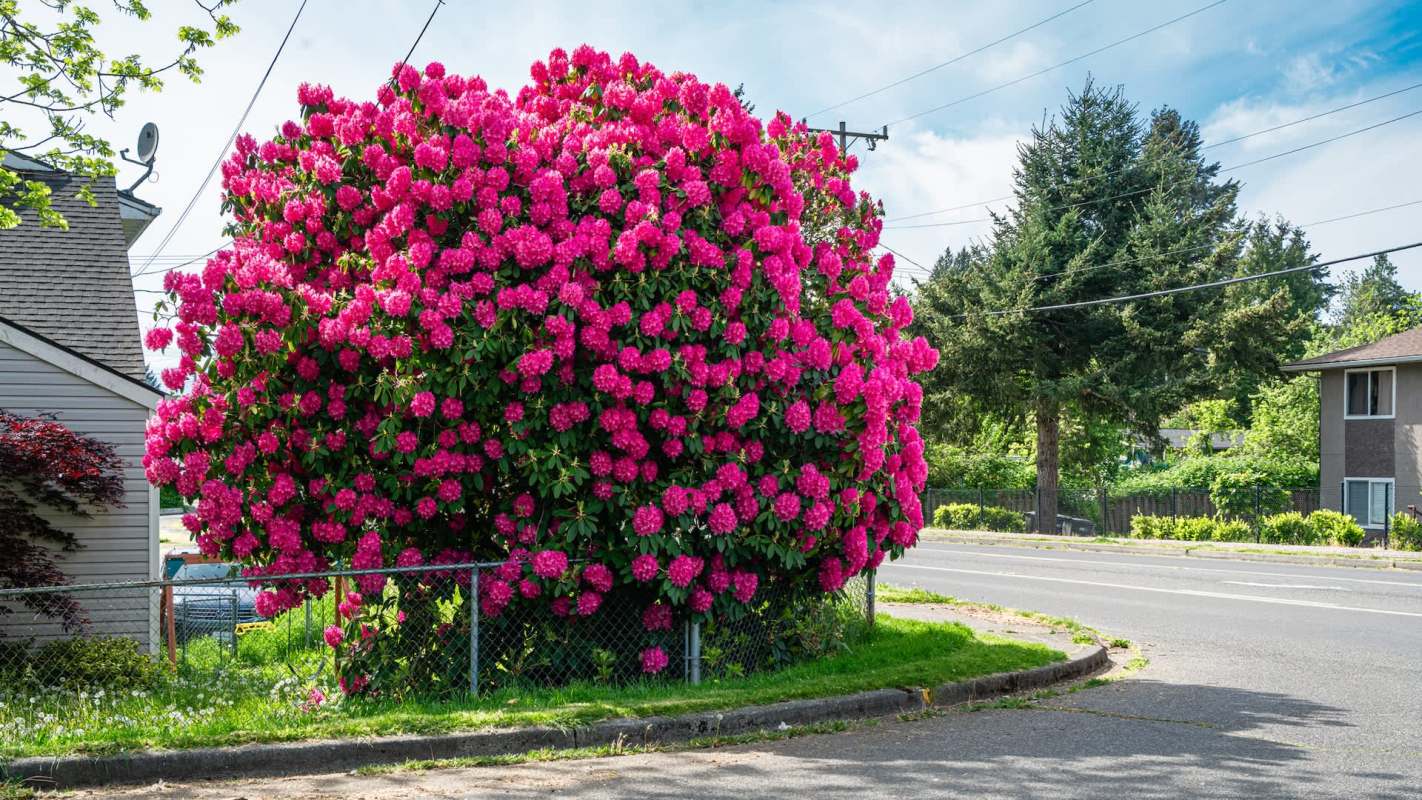
The project first took shape when a giant rhododendron was removed and replaced with a round bed.
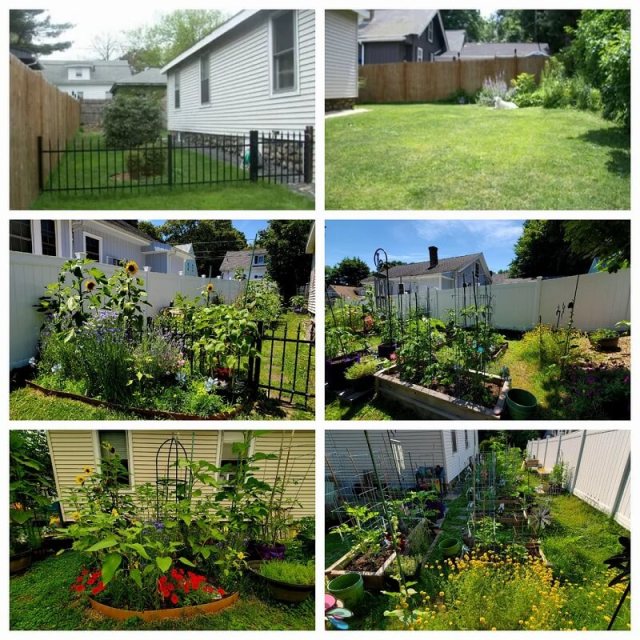
"It's taken a lot of work, but when I watch the variety of pollinators visiting the many flowers growing amongst the vegetables, herbs, and fruits, and see the goldfinches pecking away at the sunflowers, it brings me joy," they said. "So much life!"
TCD Picks » Quince Spotlight
💡These best-sellers from Quince deliver affordable, sustainable luxury for all




The photos show how changing one section at a time can produce a dramatic result, blending beauty with function.
"Looks great!" one commenter said. "Good job."
Why does it matter?
Habitat-friendly landscaping does not have to start with a complete teardown. Even removing one shrub, adding one new bed, or replacing part of a lawn can make a visible difference for pollinators and birds.
Native-plant lawns and other low-maintenance lawn alternatives can also save homeowners money and time. Replacing even part of a water-hungry grass lawn with native plants, clover, buffalo grass, or xeriscaping can reduce mowing, lower water bills, and cut back on fertilizers and pesticides.
These upgrades can benefit both household budgets and local ecosystems. Pollinators gain access to more nectar-rich flowers, while birds can find more food and shelter. That was evident here too, as the homeowner saw insects drawn to the blooms and goldfinches feeding on the sunflowers.

Get TCD's free newsletters for easy tips, smart advice, and a chance to earn $5,000 toward home upgrades. To see more stories like this one, change your Google preferences here.






